
When Sports Venues Become Urban Chronicles: The Cultural Heart of Modern Cities
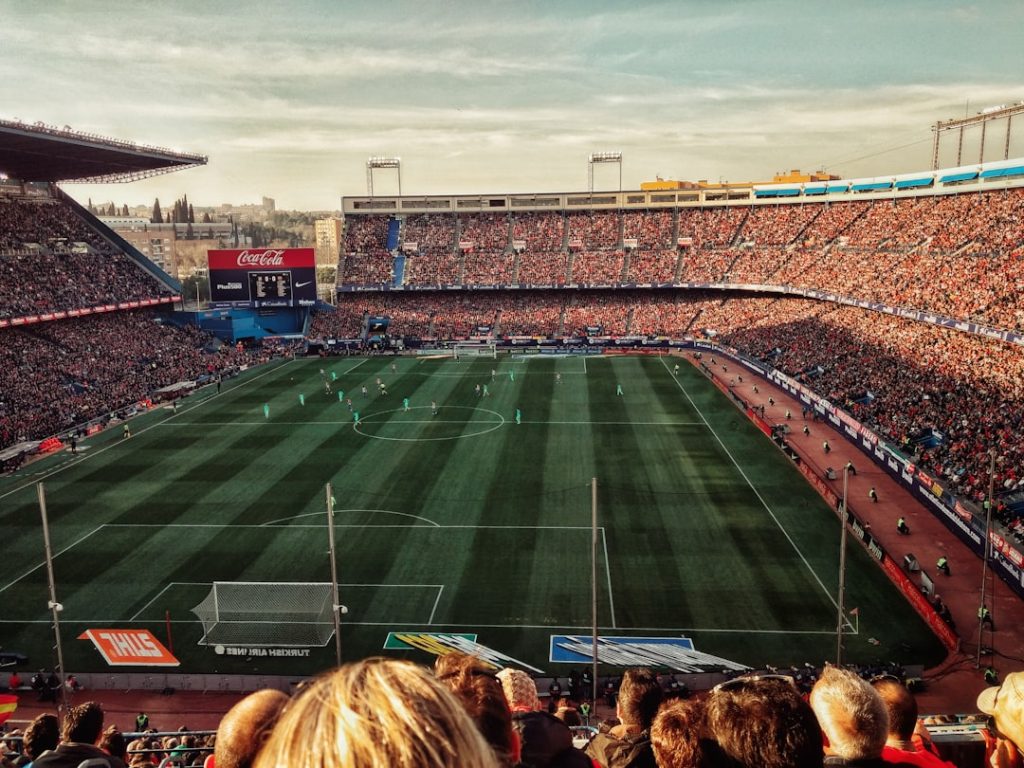
There’s something profoundly telling about how a city chooses to build and maintain its sports facilities. In my view, these structures serve as far more than mere entertainment venues – they’re living documents of municipal priorities, social dynamics, and cultural identity.
Take any major metropolitan area, and you’ll find that its primary stadium often reflects the city’s aspirations, struggles, and character more accurately than any official tourism brochure ever could. The architecture speaks to economic realities, the crowd composition reveals social stratification, and the facility’s condition tells you everything about local governance and civic pride.
The Stadium as Social Mirror
What fascinates me most about urban sports complexes is their dual nature as both unifying and dividing forces. On match days, these venues can bring together people from vastly different backgrounds, creating temporary communities around shared passion. Yet the very same spaces often highlight economic disparities – premium seating versus general admission areas literally map out class divisions in concrete and steel.

For urban planners and sociologists, these facilities offer invaluable insights into how cities function. The transportation infrastructure leading to stadiums, the surrounding commercial development, and even the security measures all tell stories about municipal decision-making and resource allocation.
Who Benefits from This Perspective
This lens of analysis particularly benefits travelers seeking authentic cultural experiences rather than sanitized tourist attractions. Instead of following conventional guidebooks, observing how locals interact with their sports venues provides genuine insight into community dynamics.
Urban studies students and researchers will find this approach invaluable for understanding how public spaces function in different cultural contexts. The stadium becomes a case study in civic engagement, economic development, and social cohesion.

The Economic Reality Check
However, I must acknowledge that this romanticized view of stadiums as cultural barometers isn’t universally applicable. In many cities, these facilities primarily serve wealthy elites while displacing working-class neighborhoods – hardly the inclusive community spaces I’ve described.
The construction of major sports venues often involves controversial public financing that diverts resources from education, healthcare, and infrastructure. For residents struggling with basic services, a gleaming new stadium might represent misplaced priorities rather than civic pride.
Reading Between the Lines
What matters most, in my opinion, is developing the skill to read these urban spaces critically. The condition of public areas around stadiums, the accessibility for disabled visitors, the availability of affordable concessions – these details reveal whether a city genuinely serves all its residents or caters primarily to affluonetn demographics.
The most interesting stadiums, from an anthropological perspective, are those showing visible signs of adaptation and community ownership. Informal vendors, creative fan displays, and organic gathering spaces around the official structure indicate genuine grassroots engagement rather than top-down civic planning.
For anyone interested in understanding how cities really work – beyond the glossy marketing materials – spending time observing the social ecosystem around major sports venues offers unparalleled insights into urban life, economic inequality, and cultural values in action.
Photo by Liam McKay on Unsplash
Photo by Samuel Regan-Asante on Unsplash