
Why Airlines Need to Revolutionize Their Loyalty Programs by Rewarding Top Customers with Lower Fares
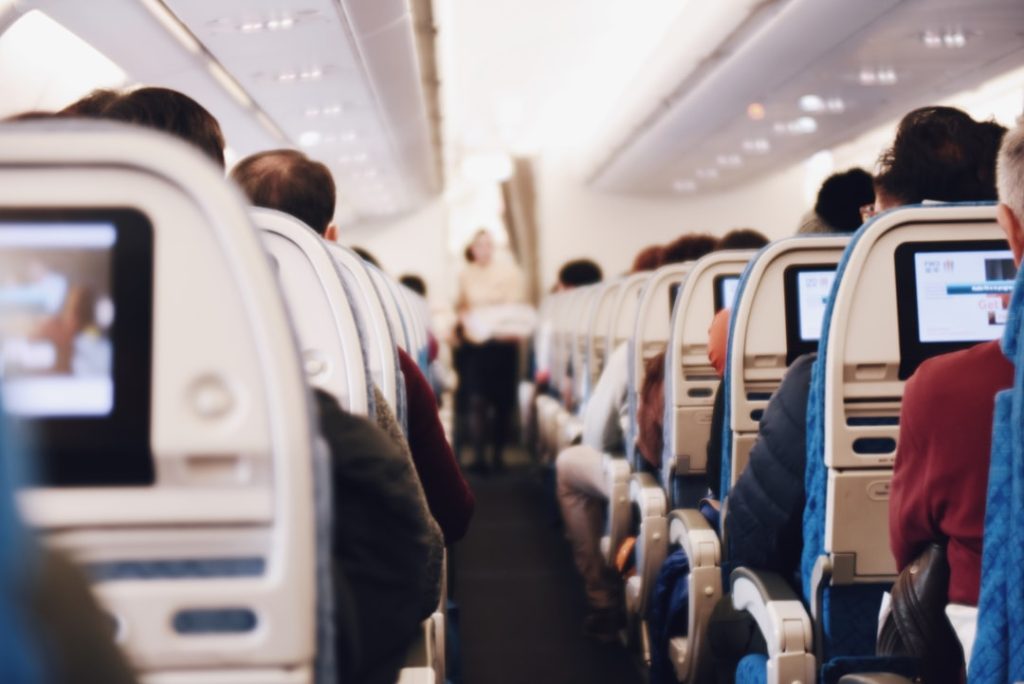
The airline industry has built its loyalty programs on a fundamentally flawed premise that needs urgent correction. While carriers shower their most frequent travelers with upgrades, lounge access, and priority boarding, they’ve missed the most obvious reward that would truly matter: dramatically reduced ticket prices for their best customers.
This isn’t just wishful thinking from a disgruntled traveler – it’s a strategic imperative that forward-thinking airlines should embrace immediately. The current model treats loyal passengers as cash cows to be milked rather than valued partners to be retained through meaningful financial incentives.
The Current System Penalizes Loyalty
Today’s airline loyalty programs operate on the bizarre logic that your most devoted customers should pay the highest prices. Frequent flyers often find themselves locked into specific carriers for business reasons, creating a captive market that airlines exploit rather than reward. This approach is shortsighted and ultimately self-defeating.

I believe this system particularly hurts business travelers who have little choice in their airline selection. These passengers generate consistent revenue streams yet receive minimal financial benefit for their loyalty. Meanwhile, occasional leisure travelers can shop around for the lowest fares, often paying significantly less than the frequent flyers sitting beside them.
Who Would Benefit Most
A fare-based loyalty system would be transformative for several key groups. Corporate road warriors who fly weekly would see their travel budgets stretch further, potentially allowing companies to invest savings elsewhere. Small business owners, who often pay their own travel expenses, would find air travel more accessible and affordable.
However, this approach wouldn’t benefit everyone equally. Leisure travelers who fly once or twice yearly would likely see higher prices as airlines shift their pricing models. Airlines would also need to carefully manage the transition to avoid revenue losses during the adjustment period.

The Business Case for Change
Smart airlines should recognize that price-based loyalty creates stronger emotional connections than perks alone. When customers see real monetary value from their loyalty, they’re less likely to defect to competitors, even when faced with attractive promotional offers.
This model would also simplify the often-confusing maze of current loyalty benefits. Instead of trying to quantify the value of lounge access or priority boarding, airlines could offer straightforward percentage discounts that increase with loyalty tier status.
Implementation Challenges
The transition wouldn’t be without obstacles. Airlines would need sophisticated revenue management systems to balance discounted loyal customer fares with market-rate pricing for other passengers. There’s also the risk of creating a two-tiered system that could alienate occasional travelers.
In my view, the airlines that move first on this concept will gain significant competitive advantages. Customer acquisition costs would decrease as word spreads about genuine savings for loyal passengers. The lifetime value of frequent flyers would increase substantially, justifying the initial revenue adjustments.
The airline industry has consistently shown it can adapt to new realities when forced to do so. The time has come to abandon the outdated assumption that loyal customers will accept higher prices indefinitely. Progressive carriers should lead this transformation before market forces make it inevitable.
Photo by Suhyeon Choi on Unsplash
Photo by JESHOOTS.COM on Unsplash
Photo by Gerrie van der Walt on Unsplash