The Irony of AI-Generated Content in Books About Artificial Intelligence
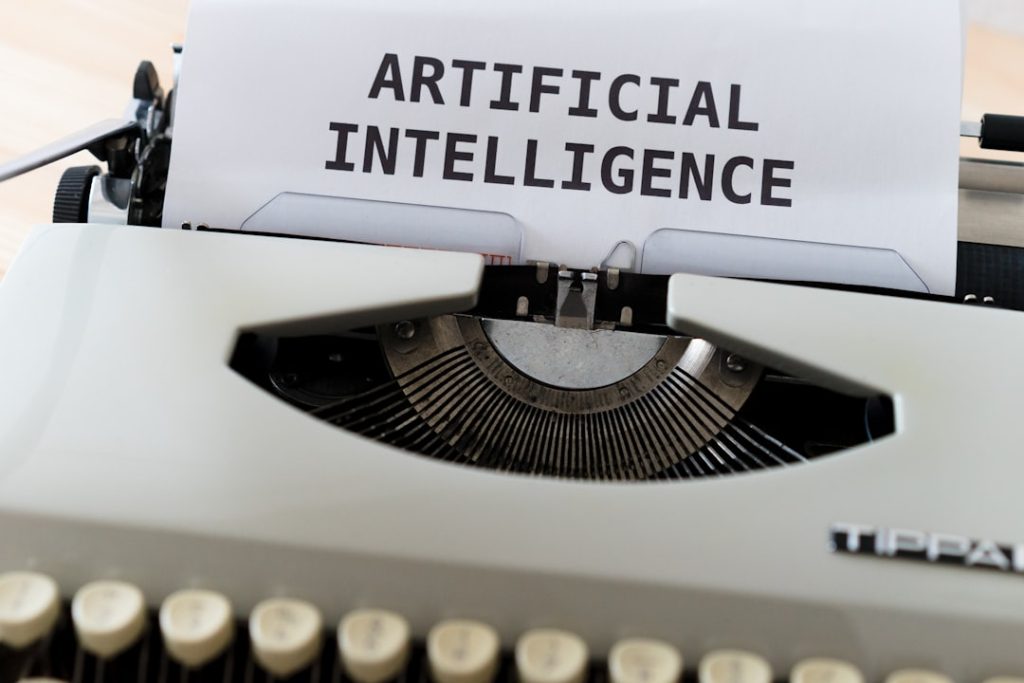
The publishing world recently witnessed a fascinating case of literary irony when an author writing about artificial intelligence’s impact on truth and reality was caught using AI-generated quotations in his own work. This incident reveals deeper issues about authenticity and credibility in an era where synthetic content is becoming increasingly sophisticated.
What strikes me as particularly troubling about this situation is not just the use of fabricated quotes, but the fundamental disconnect it represents. When someone positions themselves as an expert on how AI distorts our understanding of reality, yet simultaneously employs those very tools to create false content, it undermines their entire thesis. This is especially problematic for readers who trust authors to provide genuine insights and authentic research.

The implications extend far beyond a single publication. Academic researchers and serious students of technology policy should be deeply concerned about this trend. These individuals rely on credible sources to understand complex technological developments, and when foundational texts contain synthetic material presented as authentic, it corrupts the entire knowledge ecosystem.
However, I believe this controversy also presents an opportunity for important conversations about transparency in the digital age. Publishers and authors who embrace clear disclosure about AI assistance in their work will likely build stronger relationships with their audiences. Readers increasingly value honesty about creative and research processes, and those who provide it will stand out in a crowded marketplace.

The incident also highlights who might be most vulnerable to such deceptions. General readers seeking to understand AI’s societal impact may lack the expertise to identify synthetic content, making them particularly susceptible to misinformation. Meanwhile, technology professionals and researchers typically possess the analytical skills to spot inconsistencies and verify sources independently.
What concerns me most is the precedent this sets for academic and professional discourse. If authors can casually insert AI-generated material without disclosure, we risk creating an environment where distinguishing between authentic and synthetic content becomes nearly impossible. This threatens the foundation of scholarly communication and public understanding of complex topics.
Moving forward, I believe the publishing industry must establish clearer standards for AI disclosure. Authors writing about technology topics, in particular, should be held to the highest standards of transparency. Their work shapes public policy discussions and educational curricula, making accuracy and authenticity absolutely crucial.
Photo by Markus Winkler on Unsplash
Photo by Steve A Johnson on Unsplash
Photo by Louis Hansel on Unsplash