
Military Forces Revolutionize Battlefield Communication Through System Integration
The modern military landscape is undergoing a fundamental transformation as defense forces worldwide work to break down technological silos that have long prevented their weapons systems from communicating effectively. This shift represents one of the most significant changes in military technology infrastructure in decades, and frankly, it’s about time.
For too long, military branches have operated with incompatible systems that couldn’t share critical data in real-time. Think about it – in an era where your smartphone can seamlessly connect to your car, your home security system, and your fitness tracker, it’s almost absurd that billion-dollar defense systems couldn’t talk to each other. This fragmentation has created dangerous blind spots that could prove costly in actual combat situations.
Breaking Down Communication Barriers
The push toward interoperability is particularly relevant for military strategists and defense contractors who have been grappling with this challenge for years. What we’re seeing now is a systematic approach to creating unified communication protocols that allow different weapon systems, surveillance equipment, and command centers to share information instantaneously.

This integration effort benefits everyone involved in modern warfare operations – from field commanders who need real-time battlefield intelligence to logistics personnel coordinating supply chains. However, it’s not necessarily a game-changer for traditional military suppliers who have built their business models around proprietary, closed systems. Those companies will need to adapt or risk becoming obsolete.
The Technical Challenge
The complexity of this undertaking cannot be overstated. We’re talking about integrating decades-old legacy systems with cutting-edge technology, all while maintaining the highest security standards. It’s like trying to get a 1990s computer to seamlessly work with today’s artificial intelligence systems – technically possible, but requiring significant engineering expertise and financial investment.
What makes this particularly challenging is that military systems were often designed with security through obscurity in mind. Each system had its own protocols, encryption methods, and data formats. While this approach provided some security benefits, it created massive inefficiencies that modern warfare simply cannot afford.

Strategic Implications
From my perspective, this technological evolution is absolutely critical for maintaining military effectiveness in the 21st century. The countries and military organizations that successfully implement these integrated systems will have a significant advantage over those still operating with fragmented technology stacks.
This transformation is most beneficial for military personnel at all levels – from individual soldiers who will have better situational awareness to senior commanders who can make more informed strategic decisions. It’s also a boon for defense technology companies that specialize in integration and interoperability solutions.
However, this shift may not be as relevant for smaller military forces or those with limited technology budgets. The cost and complexity of implementing these integrated systems could be prohibitive for organizations without substantial resources and technical expertise.
Looking Forward
The move toward integrated military communication systems represents a necessary evolution in defense technology. While the implementation challenges are substantial, the potential benefits – improved coordination, faster response times, and enhanced battlefield awareness – make this a worthwhile investment for serious military organizations.
What matters most in this transition is not just the technology itself, but how effectively military personnel can adapt to and utilize these new integrated systems. The most sophisticated communication network is useless if the people operating it aren’t properly trained or if the organizational culture resists change.
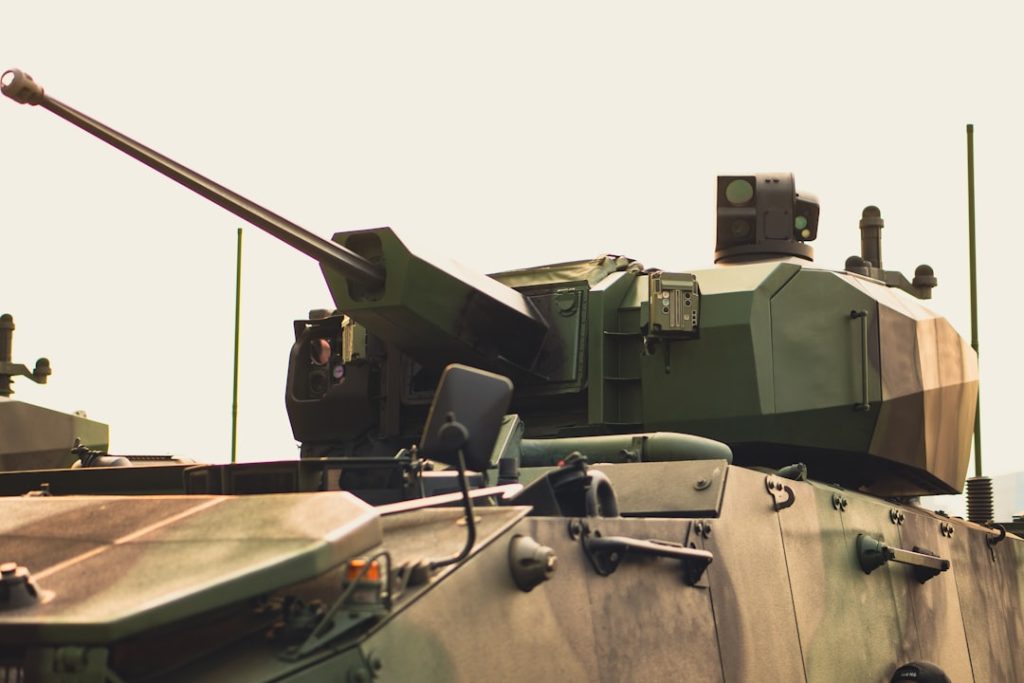
Photo by Defrino Maasy on Unsplash
Photo by Roberto Catarinicchia on Unsplash