
Inside the Shopping Habits of a Top International Model
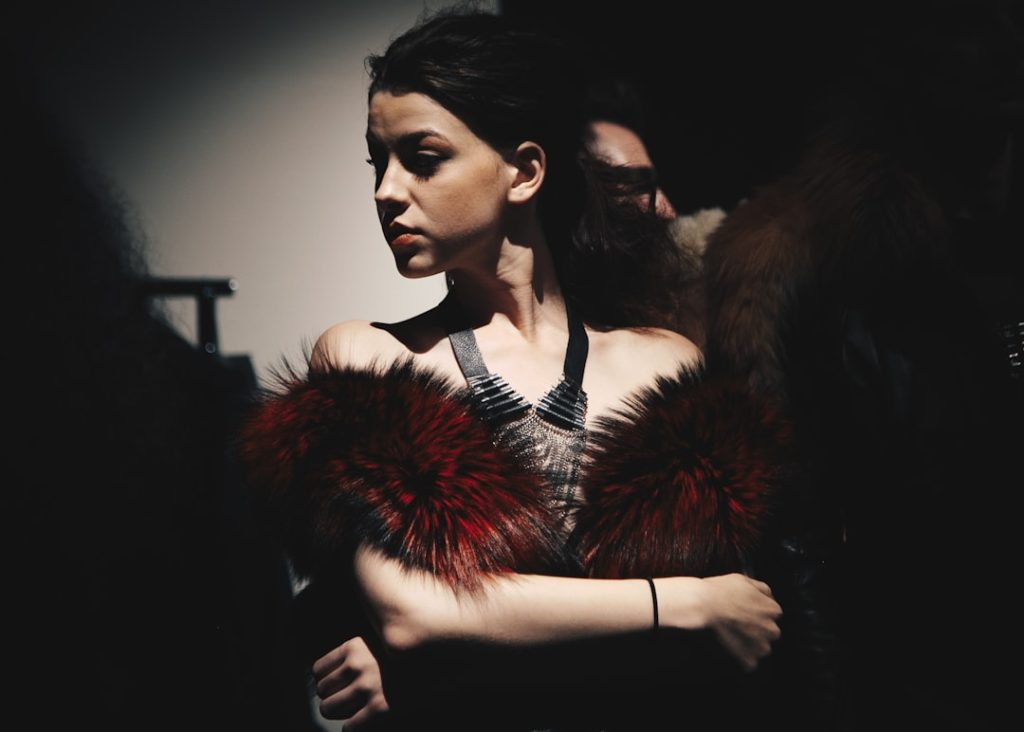
The fashion industry offers fascinating insights into how its most prominent figures approach personal style and shopping. Through conversations with leading models, we discover that success on runways worldwide doesn’t necessarily translate to conventional shopping behaviors.
What strikes me most about speaking with top-tier models is how their relationship with fashion extends far beyond the clothes themselves. Take the creative pursuits that many models develop alongside their careers – painting, for instance, becomes both an outlet and a slower-paced counterbalance to the fast-moving fashion world. I find this artistic duality particularly compelling because it suggests that those who work most intimately with fashion often need creative spaces entirely separate from it.
The modeling industry today demands more than just walking runways. Modern supermodels collaborate on campaign direction, style themselves, and essentially become creative partners rather than just mannequins. This evolution benefits established models who can leverage their experience, but I worry it creates additional pressure for newcomers who must now excel at multiple creative disciplines simultaneously.
What fascinates me about high-level modeling careers is how they force individuals to constantly reinvent themselves. Each job requires embodying a different character, which ultimately helps models discover their authentic personal style. This process would benefit anyone struggling to define their aesthetic – the key is experimenting with different looks until something feels genuinely right.

The current trend toward darker, more gothic-inspired fashion reflects broader cultural shifts. The ‘vampire aesthetic’ – elegant yet edgy, sophisticated but not trying too hard – appeals to those seeking alternatives to overly bright, optimistic fashion trends. This style works particularly well for people who want to make strong visual statements without appearing costume-like.
Texture mixing represents one of the most accessible ways to elevate any wardrobe. Combining soft silks with structured leathers creates visual interest that doesn’t rely on bold colors or expensive pieces. This approach benefits budget-conscious shoppers who can achieve sophisticated looks through thoughtful material combinations rather than designer labels.
The collaborative nature of modern red carpet styling demonstrates how fashion has become increasingly democratic. When models work closely with stylists and designers to create memorable looks, it shows that great style emerges from teamwork rather than individual vision alone. This collaborative approach could revolutionize how everyday consumers think about getting dressed – seeking input rather than struggling alone.
Major fashion events like the Met Gala continue to serve as cultural touchstones where creative risks pay off spectacularly. The willingness to pursue unconventional concepts – like incorporating prosthetics and metallic makeup – separates memorable fashion moments from forgettable ones. However, this trend toward increasingly elaborate red carpet looks may be creating unrealistic expectations for formal event dressing among general consumers.

Career-defining runway moments often come unexpectedly. The combination of dramatic styling, atmospheric staging, and perfect timing can transform a model’s trajectory in a single show. What impresses me is how these breakthrough moments require both preparation and willingness to embrace bold creative choices. This principle applies beyond modeling – career advancement often depends on recognizing and seizing standout opportunities.
Modern shopping behaviors reveal interesting psychological patterns. The preference for targeted, purposeful purchasing over browsing reflects our increasingly time-conscious culture. Online shopping enables this efficiency, but I believe it also diminishes the serendipitous discovery that makes fashion exciting. The most stylish people I know balance efficient shopping with occasional exploratory browsing.
Shopping by color rather than brand represents a sophisticated approach that prioritizes personal aesthetic over marketing. Creating mood boards around specific color palettes helps develop cohesive wardrobes that feel intentional rather than random. This strategy particularly benefits people who struggle with impulse purchases or brand loyalty that doesn’t serve their actual style needs.
Custom pieces, even from small boutiques, often provide more satisfaction than expensive designer items. The personal connection and perfect fit create emotional value that mass-produced luxury goods rarely match. This insight should encourage consumers to seek out local artisans and smaller designers rather than focusing exclusively on major fashion houses.
Fragrance selection reveals personality in ways that clothing sometimes cannot. The ability to balance fresh, daytime appeal with sensual evening notes in a single scent demonstrates sophisticated taste. However, I find that many people overthink fragrance choices when simple personal preference should guide these decisions.
The integration of artistic pursuits into fashion careers suggests exciting future possibilities. As the industry becomes more collaborative and creative, we may see more crossover between traditional art forms and fashion design. This trend benefits creative individuals who refuse to be confined to single disciplines, though it may challenge those who prefer clear professional boundaries.
Photo by Shamim Nakhaei on Unsplash
Photo by Vooglam Eyewear on Unsplash
Photo by Rene Böhmer on Unsplash