
Global Running Day: Why Digital Fitness Badges Are Actually Changing How We Exercise
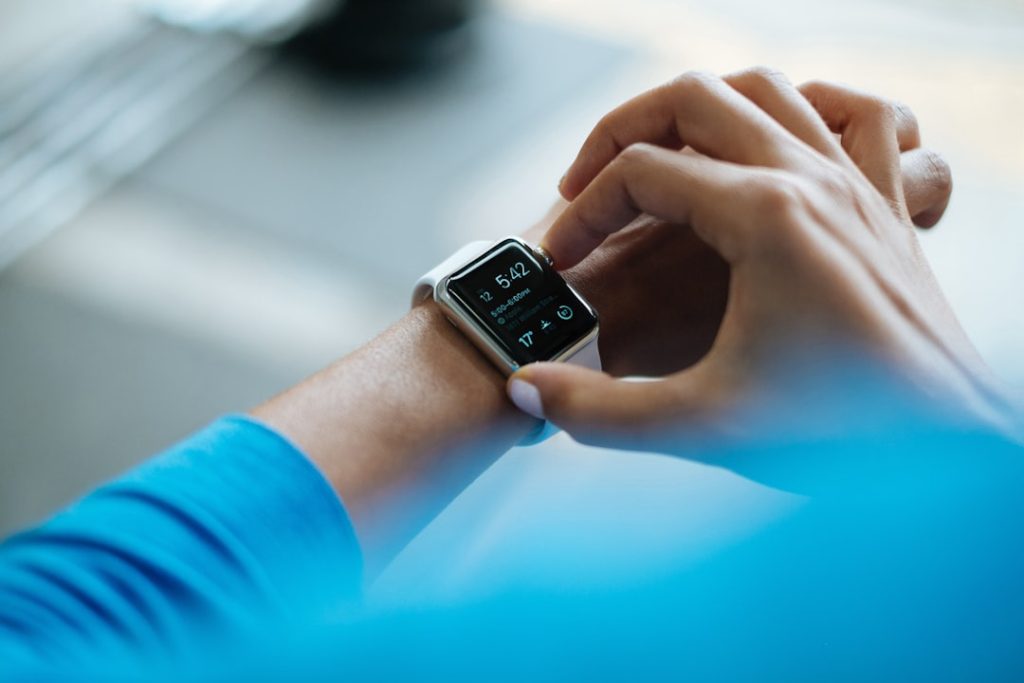
The fitness wearable industry has discovered something fascinating about human psychology: we’ll run an extra mile for a virtual badge that exists only on our phone screens. This June 3rd phenomenon perfectly illustrates how technology companies have gamified our exercise routines in ways that are both brilliant and slightly concerning.
On Global Running Day, smartwatch users worldwide can earn a special digital achievement by completing a 5K run before midnight. Any fitness tracking device that syncs with health platforms will register the accomplishment, whether you pound pavement outdoors or sweat it out on a treadmill. The reward? A colorful animated badge that serves no practical purpose beyond bragging rights.
Here’s what I find genuinely interesting about this trend: it works incredibly well for certain personality types while completely missing the mark for others. If you’re someone who thrives on external validation and enjoys collecting achievements, these digital incentives can be powerful motivators. The immediate gratification of seeing that badge appear creates a dopamine hit that reinforces positive behavior.
Who Benefits Most from Gamified Fitness
This approach is particularly effective for beginners who need that extra push to establish a routine. The 5K distance is perfectly calibrated – challenging enough to feel meaningful, but achievable for most people willing to walk-run their way through it. For casual exercisers looking to add structure to their fitness goals, these special events provide clear, time-bound objectives.

However, I believe serious athletes and intrinsically motivated individuals might find this gamification somewhat hollow. If you’re already logging 50+ miles per week, a digital badge for a single 5K feels almost insulting. The real value lies in the deeper metrics these devices can provide during training.
The Technology Behind the Motivation
Modern fitness wearables have evolved far beyond simple step counting. Today’s devices track sophisticated metrics like running efficiency, recovery time, and training load distribution. Features like pace coaching, heart rate zone monitoring, and performance comparisons against previous efforts offer genuine training value that extends well beyond virtual trophies.
What impresses me most is how accurate these devices have become for heart rate monitoring during intense exercise. Recent testing shows that leading smartwatches can now track cardiovascular responses with remarkable precision, even during interval training where heart rates spike and drop rapidly.
The Broader Fitness Ecosystem
This Global Running Day initiative also highlights how fitness platforms are expanding beyond hardware into content and community. Streaming workout services now offer specialized programs for runners, including beginner-friendly training plans and cross-training options like yoga sequences designed specifically for runners.

The integration between devices, apps, and content creates an ecosystem that can genuinely support fitness goals – if you’re willing to engage with it. But here’s my concern: this approach works best for people who already have some motivation to exercise. It’s less effective at converting truly sedentary individuals into active ones.
My Take on Digital Fitness Motivation
I think these gamification strategies represent both the best and worst of how technology intersects with health. On the positive side, they make fitness more accessible and fun for millions of people who might otherwise struggle with motivation. The social sharing aspect creates accountability and community around healthy behaviors.
On the flip side, there’s something slightly dystopian about needing a computer to convince us to move our bodies. The focus on badges and streaks can sometimes overshadow the intrinsic benefits of exercise – better sleep, improved mood, increased energy, and long-term health outcomes.
For most people, I believe these digital incentives serve as useful training wheels while building lasting exercise habits. The key is eventually transitioning from external motivation to internal satisfaction with the activity itself. Use the badges to get started, but don’t let them become the only reason you lace up your running shoes.
Whether you participate in Global Running Day or not, the real victory lies in finding sustainable ways to stay active year-round. If a digital badge helps you take that first step, embrace it – just don’t forget to eventually run for yourself, not your smartphone.
Photo by Luke Chesser on Unsplash
Photo by Indra Projects on Unsplash