
Five Days in Spain’s Capital: Your Complete Cultural and Culinary Journey Through Madrid
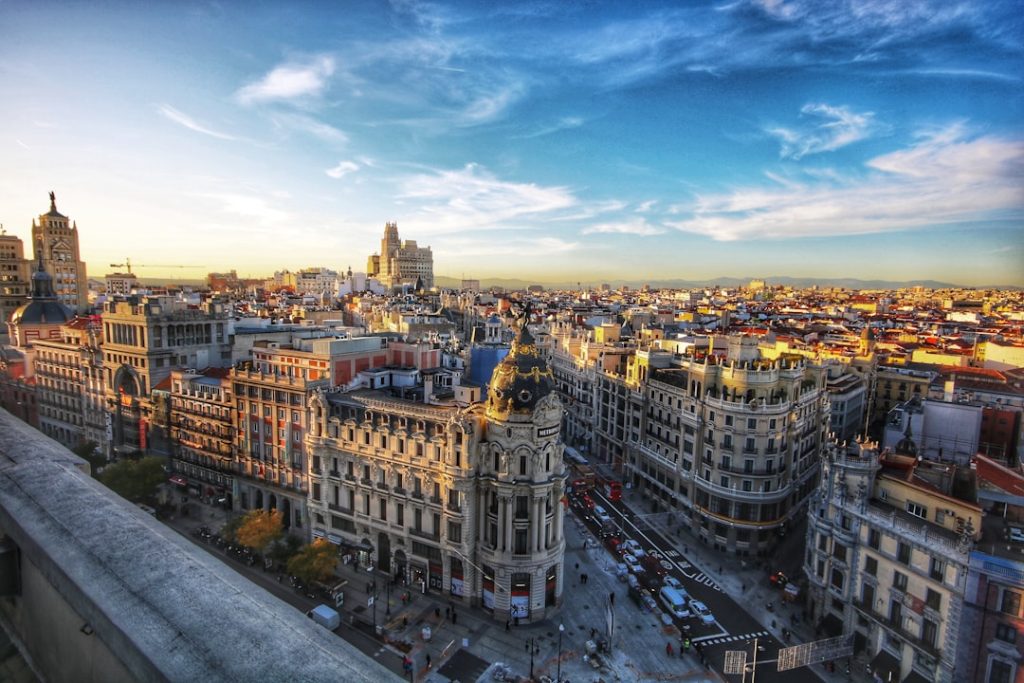
Madrid deserves more than a weekend getaway – it demands a full immersion that only a five-day exploration can provide. Having spent considerable time analyzing travel patterns in European capitals, I believe Madrid offers something unique that sets it apart from Paris or Rome: it’s a city where you can genuinely live like a local while still hitting the major cultural landmarks. This itinerary isn’t just about checking boxes; it’s about understanding why Madrid has become one of Europe’s most compelling destinations.
Day One: Mastering the Golden Triangle of Art
Start your Madrid adventure in the UNESCO-designated Landscape of Light district, home to three of the world’s most significant art museums. I recommend beginning at the Prado Museum early in the morning – this timing strategy is crucial for art enthusiasts who want to appreciate masterpieces without battling crowds. Focus on the Velázquez galleries featuring Las Meninas and the Goya collection before the midday rush arrives.
The Thyssen-Bornemisza Museum, just a ten-minute stroll away, houses an extraordinary private collection spanning Renaissance to Pop Art. What makes this museum special is its intimate scale – you can absorb centuries of art history without the overwhelming vastness of larger institutions. Complete your artistic trilogy at the Reina Sofía Museum, where Picasso’s Guernica awaits.
For dining, I particularly appreciate the authentic atmosphere at Taberna La Fragua de Vulcano, where traditional cocido madrileño reflects genuine Madrid culinary heritage. Near Reina Sofía, Arzábal’s garden terrace serves exceptional croquetas – a dish that truly separates tourist traps from local favorites. The most atmospheric choice is Bodega de los Secretos, set in restored 17th-century wine caves.
Madrid’s house museums offer something I find lacking in many European capitals: intimate glimpses into how the wealthy actually lived. The Sorolla Museum, currently undergoing renovation and reopening in 2026, will showcase the sun-drenched former residence of Spain’s ‘painter of light.’ The Museum of Romanticism provides coffee in a secret garden setting, while the Lázaro Galdiano Museum displays masterworks by Goya, Murillo, and El Greco in a magnificent neo-Renaissance mansion.
Day Two: Habsburg Legacy and Royal Grandeur
This day focuses on Madrid’s historical core, known as Habsburg Madrid. The strategic importance of starting at Puerta del Sol cannot be overstated – it’s literally Kilometer Zero for Spain’s road network. While the Bear and Strawberry Tree statue photo is touristy, it represents Madrid’s identity in a way that matters to locals.

Plaza Mayor exemplifies Spanish urban planning at its finest. The porticoed architecture and Casa de la Panadería create a theatrical setting that has hosted everything from royal ceremonies to public executions. For an authentic local experience, seek out a calamari sandwich in the surrounding alleys – this gastronomic tradition reveals how Madrid embraces both sophistication and simple pleasures.
The Royal Palace of Madrid, Western Europe’s largest, deserves an entire afternoon. What impresses me most isn’t just its size but its continued relevance – this isn’t a museum but a working palace. The nearby Almudena Cathedral’s Neo-Gothic crypt often gets overlooked, but it’s architecturally significant and provides welcome respite from tourist crowds.
Day Three: Culinary Excellence from Markets to Rooftops
Madrid’s food scene represents everything I love about Spanish culture: respect for tradition combined with innovative energy. The glass-walled Mercado de San Miguel offers gourmet tapas but can feel touristy. I prefer Mercado de San Antón in Chueca or Mercado de Vallehermoso for more authentic regional flavors and better prices.
Sobrino de Botín holds genuine historical significance as the world’s oldest restaurant, frequented by Hemingway. While expensive, it’s worth experiencing once for its connection to literary history. For better value and more authentic atmosphere, explore tapas crawling through La Latina or Barrio de las Letras neighborhoods.
Madrid’s rooftop culture has exploded in recent years, and venues like The Roof at Picalagartos or RIU 360º Sky Bar offer spectacular city views with quality cocktails. What excites me most about Madrid’s current food evolution is its embrace of plant-based cuisine. The vegetarian and vegan scene in Malasaña demonstrates how traditional Spanish dishes can be reimagined without losing their cultural essence.
Day Four: UNESCO Heritage Beyond the City Center
Madrid’s UNESCO World Heritage designation for the Paisaje de la Luz reflects something unique among European capitals: the integration of nature, science, and royal history within an urban setting. This isn’t just marketing – the designation recognizes genuine cultural significance.

Day trips to surrounding UNESCO sites provide essential context for understanding Spanish royal history. The Monastery of San Lorenzo de El Escorial represents imperial power at its peak, while the Royal Palace and Gardens of Aranjuez rival Versailles in their baroque splendor. Alcalá de Henares, Cervantes’ birthplace, offers insight into Spain’s Golden Age literary heritage.
These excursions benefit travelers who want to understand Spanish culture beyond Madrid’s urban boundaries. However, they require full days and aren’t suitable for visitors with limited time or mobility issues.
Day Five: Hidden Treasures and Local Secrets
This final day separates casual tourists from serious cultural explorers. The Monastery of Las Descalzas Reales and Royal Monastery of La Encarnación house extraordinary royal art collections behind cloistered walls. These venues require advance booking and offer limited daily access, making them perfect for travelers seeking exclusive experiences.
The Basilica of San Francisco el Grande features Spain’s largest dome and early Goya masterpieces. The Hermitage of San Antonio de la Florida, where Goya is buried beneath his own frescoes, provides a moving conclusion to any art lover’s Madrid journey.
Casa de Campo park offers the best panoramic views of Madrid’s skyline. The lakeside terraces provide perfect settings for reflection on your five-day journey while enjoying views of the Royal Palace and Almudena Cathedral.
This itinerary works best for culturally curious travelers who appreciate both world-class museums and authentic local experiences. It’s less suitable for families with young children or visitors primarily interested in nightlife and shopping. The combination of major attractions with hidden gems creates a Madrid experience that goes far beyond typical tourist circuits.
Photo by Jorge Fernández Salas on Unsplash
Photo by Adrián Valverde on Unsplash