European Manufacturing Faces New Challenge as Chinese Investment Transforms Morocco’s Industrial Landscape
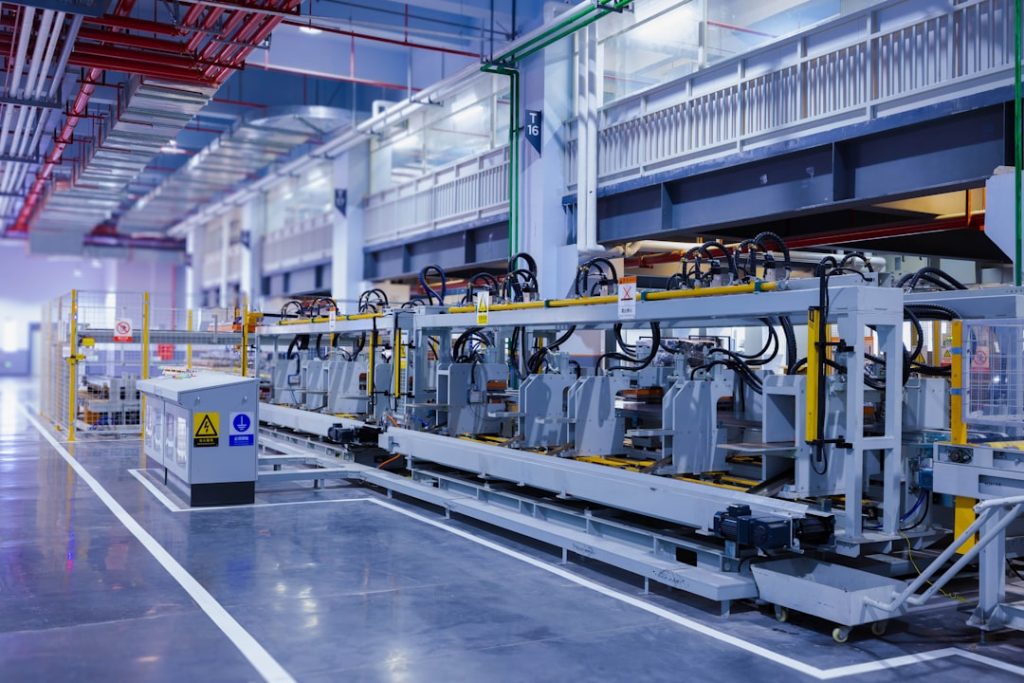
The rapid transformation of Morocco’s industrial sector through massive Chinese capital infusion is creating ripple effects that extend far beyond North Africa’s borders. What we’re witnessing is a strategic repositioning that could fundamentally alter competitive dynamics in global manufacturing, and European policymakers are right to be concerned.
Chinese corporations have committed substantial financial resources to establish manufacturing facilities across Morocco, creating what amounts to a new industrial hub just across the Mediterranean from Europe. This isn’t merely about foreign direct investment – it’s about creating a manufacturing base that could potentially undercut European producers through subsidized production costs.
The Strategic Implications Are Clear
From my perspective, this development represents a calculated move that European manufacturers should take seriously. The proximity of Morocco to European markets, combined with lower labor costs and Chinese technological expertise, creates a potent combination that could disrupt established supply chains.

What makes this particularly concerning for European industry is the potential for subsidized goods to flood their markets. When state-backed enterprises can operate with financial support that private European companies cannot match, the competitive playing field becomes fundamentally uneven. This isn’t just about market competition – it’s about industrial policy at a geopolitical scale.
Who Benefits and Who Loses
Moroccan workers and the local economy clearly stand to benefit from this industrial expansion. Job creation and technology transfer could significantly boost the country’s economic development. However, European manufacturing workers and companies in sectors directly competing with these new Moroccan facilities face a more challenging future.
I believe European policymakers are justified in their concerns, but their response needs to be measured and strategic. Simply complaining about unfair competition won’t address the underlying challenge. European manufacturers need to focus on areas where they maintain competitive advantages – advanced technology, skilled workforce, and proximity to end markets.

The Broader Context Matters
This situation reflects broader trends in global manufacturing, where countries are increasingly using industrial policy as a tool of economic statecraft. The establishment of Chinese-backed manufacturing in Morocco isn’t happening in isolation – it’s part of a larger pattern of strategic investment designed to create new trade corridors and manufacturing networks.
For European companies, this development should serve as a wake-up call about the need for industrial strategy that goes beyond traditional market mechanisms. The reality is that when other nations are actively supporting their industries through subsidies and strategic investments, European manufacturers operating under purely market-based conditions may find themselves at a systematic disadvantage.
What concerns me most is that European responses often focus on defensive measures rather than proactive strategies. Instead of simply worrying about Moroccan competition, European policymakers should be asking how they can better support their own manufacturing base while maintaining their commitment to fair trade practices.
The transformation of Morocco’s industrial landscape represents both a challenge and an opportunity for European manufacturers to reassess their competitive strategies and adapt to a changing global manufacturing environment.
Photo by Homa Appliances on Unsplash
Photo by Simon Kadula on Unsplash
Photo by Ant Rozetsky on Unsplash