
Eight Nations with Strict Entry Requirements That Challenge Most Travelers
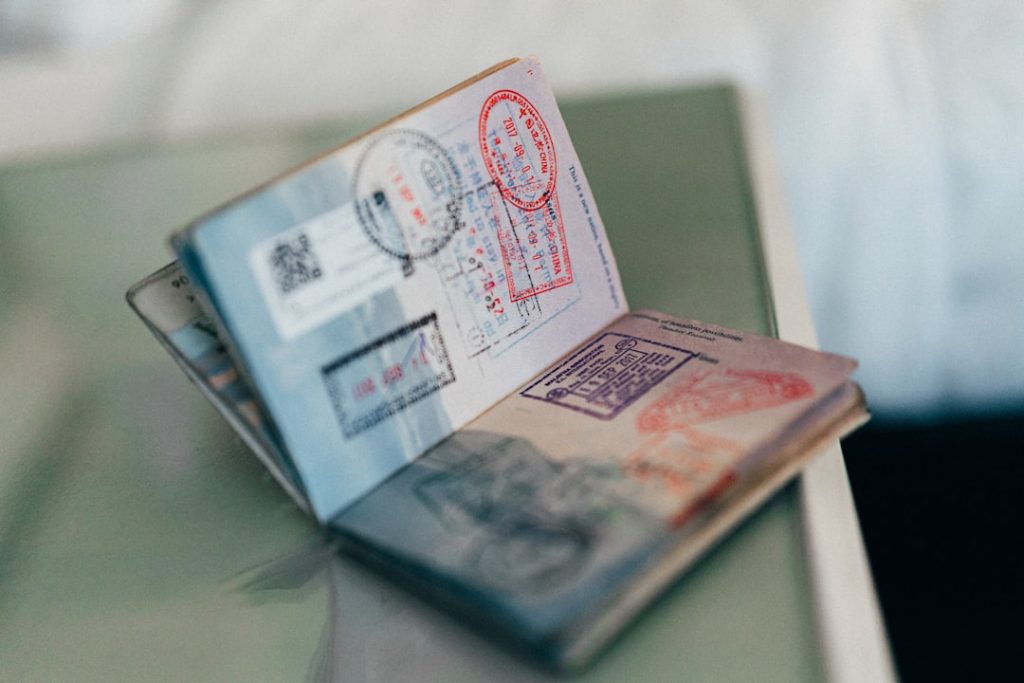
International travel has become increasingly complex, with certain destinations maintaining exceptionally rigid entry protocols that can frustrate even the most experienced globetrotters. While some restrictions stem from legitimate security concerns, others reflect outdated bureaucratic systems that seem designed to discourage tourism altogether.
Understanding Modern Travel Barriers
In my view, the current landscape of international travel restrictions reveals a troubling trend toward isolationism that ultimately hurts both travelers and local economies. These barriers disproportionately affect middle-class travelers who lack the resources to navigate complex visa processes or hire specialized agencies.
The reality is that eight particular nations have earned reputations for maintaining entry requirements so stringent that many potential visitors simply abandon their travel plans. This approach, while perhaps serving domestic political purposes, strikes me as counterproductive in our interconnected world.

Who Benefits from These Restrictions
Honestly, the primary beneficiaries of these complex entry systems appear to be visa processing companies and immigration lawyers rather than the countries themselves. Wealthy travelers with connections can often circumvent these obstacles, while ordinary tourists face months of paperwork and uncertainty.
Business travelers with corporate backing typically manage to secure necessary documentation, but independent travelers and budget-conscious families find themselves effectively excluded. This creates a two-tiered system that I believe undermines the democratic ideals of travel and cultural exchange.
The Real Impact on Tourism
From my perspective, nations that maintain unnecessarily complex entry requirements are shooting themselves in the foot economically. Tourism revenue supports millions of jobs worldwide, and countries that make themselves difficult to visit inevitably lose market share to more welcoming destinations.

The irony is particularly striking when these same countries later launch expensive marketing campaigns to attract tourists while maintaining the very barriers that drive visitors away. It’s a contradiction that suggests poor coordination between tourism boards and immigration authorities.
What This Means for Modern Travelers
For practical travelers, I recommend focusing your energy and resources on destinations that genuinely welcome international visitors. Life is too short to spend months navigating bureaucratic mazes for the privilege of spending your money in places that seem reluctant to have you.
That said, if you’re determined to visit one of these challenging destinations, budget significantly more time and money than you initially expect. The process will likely be more complicated, expensive, and time-consuming than advertised.
Ultimately, I believe the travel industry would benefit if more countries adopted streamlined, digital-first visa processes that prioritize legitimate travelers while maintaining necessary security measures. The current system too often punishes honest tourists while doing little to address genuine security concerns.
Photo by Kit (formerly ConvertKit) on Unsplash
Photo by Nicole Geri on Unsplash