
Congressional Bipartisan Effort to Address College Sports Commercialization Faces Unexpected Political Silence
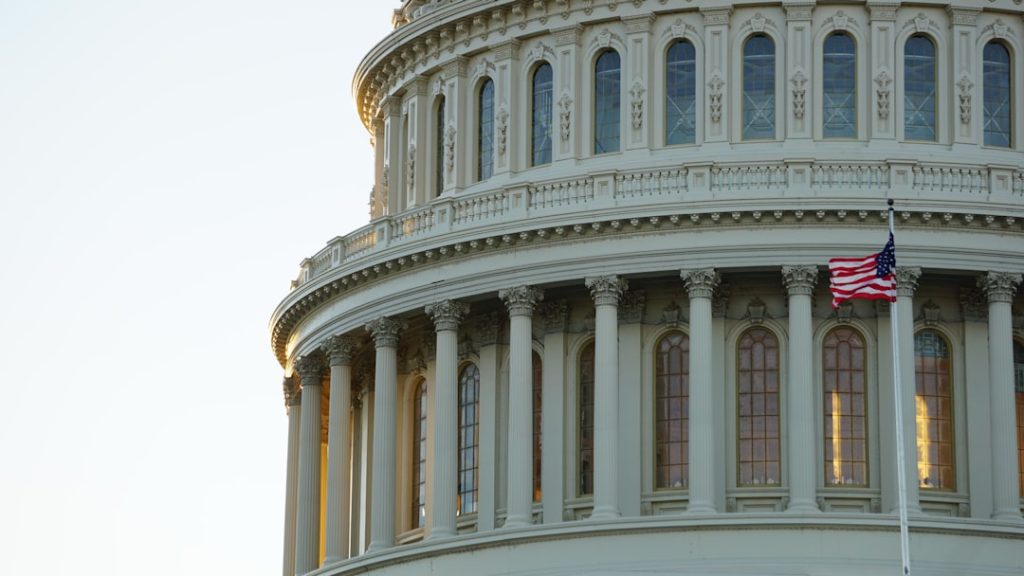
A rare moment of bipartisan cooperation has emerged in Washington, targeting the chaotic commercialization that has fundamentally altered collegiate athletics. Yet this legislative effort has been met with an unusual quiet from the political establishment, raising questions about the true appetite for reform in this space.
The introduction of bipartisan legislation aimed at addressing the financial free-for-all currently dominating college sports represents what I believe is a long-overdue acknowledgment of a system that has spiraled out of control. The current environment has created winners and losers in ways that few anticipated when name, image, and likeness rights were first introduced.
What strikes me most about this situation is the deafening silence from lawmakers who typically jump at opportunities for public grandstanding. This tells me that the issue is far more complex politically than many realize. College sports generate enormous revenue and have deep-rooted constituencies that extend far beyond student-athletes themselves.

Who Benefits from Reform Efforts
The primary beneficiaries of meaningful legislation would be smaller universities and athletic programs that simply cannot compete in the current pay-for-play environment. These institutions, which I believe represent the heart of college athletics, are being systematically disadvantaged by schools with deeper pockets and more aggressive booster networks.
Student-athletes at mid-tier programs would also benefit significantly. Currently, they’re caught in a system where opportunities are increasingly concentrated among elite programs, limiting their prospects both athletically and academically.
The Resistance Factor
However, I suspect the silence stems from powerful interests that benefit from the status quo. Major athletic programs, sports media companies, and certain booster networks have little incentive to support reforms that might limit their competitive advantages or revenue streams.

The lack of vocal support also suggests to me that many legislators are uncertain about the political ramifications of taking a strong stance. College sports fandom runs deep in many districts, and voters may not clearly understand how proposed changes would affect their favorite teams.
What Really Matters
In my view, the most critical aspect of this debate isn’t the money itself, but the preservation of educational opportunities and competitive balance. The current system is creating a two-tiered structure that undermines the fundamental premise of college athletics as part of higher education.
What doesn’t matter, despite media focus, are the individual success stories of athletes who have benefited financially. While these stories are compelling, they represent a small fraction of college athletes and shouldn’t drive policy decisions that affect hundreds of thousands of student-athletes across all divisions.
The congressional silence is particularly telling because it suggests that even bipartisan support may not be enough to overcome entrenched interests. This reform effort will likely require sustained public pressure and clear evidence that the current system is harming more students than it helps.
Photo by Ian Hutchinson on Unsplash
Photo by Elijah Mears on Unsplash
Photo by Louis Velazquez on Unsplash