British Engineering Giant Secures Major Nuclear Submarine Reactor Deal
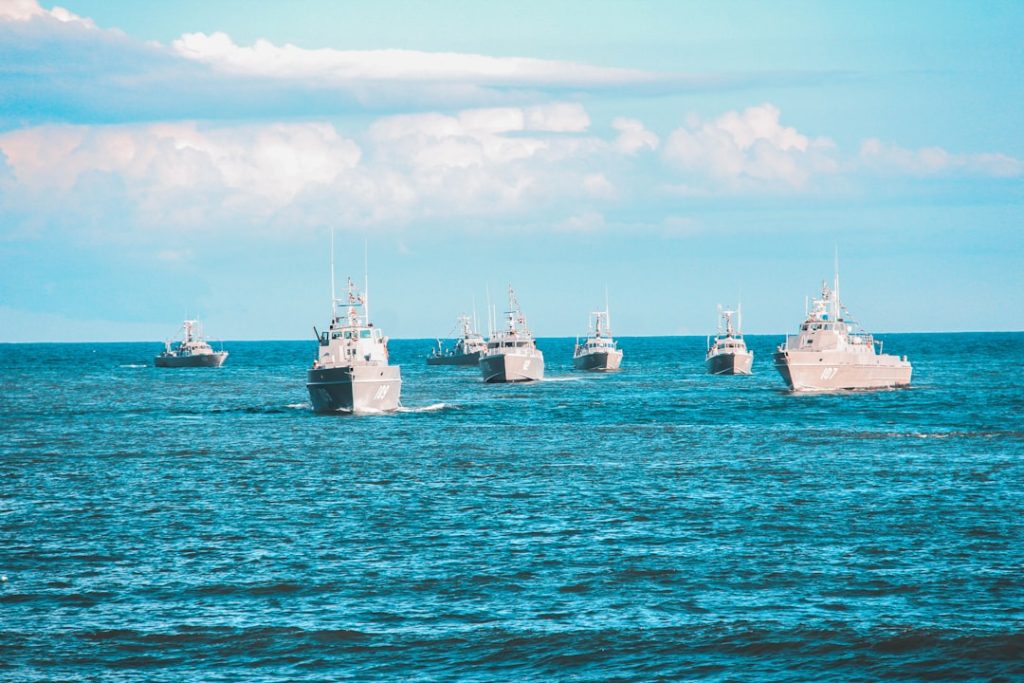
The United Kingdom’s defense sector has received a significant boost with a major contract award for nuclear submarine reactor systems. This development represents a crucial step in maintaining Britain’s naval capabilities and demonstrates the country’s commitment to domestic defense manufacturing.
In my view, this contract represents more than just another defense deal—it’s a strategic investment in Britain’s long-term security infrastructure. The agreement will ensure continuity in the nation’s submarine nuclear propulsion capabilities, which I believe is absolutely essential for maintaining maritime sovereignty in an increasingly complex geopolitical landscape.
Strategic Implications for Naval Defense
The contract underscores the critical importance of nuclear-powered submarines in modern naval warfare. These vessels provide unmatched stealth capabilities and extended operational range, making them invaluable assets for any maritime nation. What strikes me as particularly significant is how this deal reinforces Britain’s position as a nuclear naval power alongside the United States, France, Russia, and China.

For defense contractors and investors, this represents a substantial opportunity. The nuclear submarine sector offers long-term contracts with predictable revenue streams, though it requires significant technical expertise and regulatory compliance. Companies with established nuclear credentials will benefit most from this trend, while those without such capabilities may find themselves increasingly marginalized.
Economic and Industrial Impact
From an economic perspective, this contract will likely generate substantial employment opportunities in specialized engineering roles. However, I believe the benefits will be concentrated among highly skilled workers rather than providing broad-based job creation. The nuclear industry demands exceptional technical competence, meaning this deal primarily benefits engineers, nuclear specialists, and advanced manufacturing workers.
The timing of this agreement is particularly noteworthy given current global tensions and the renewed focus on defense spending across NATO countries. This contract positions British industry to capitalize on what I expect will be increased demand for nuclear propulsion systems from allied nations.

Technology and Innovation Drivers
What excites me most about this development is its potential to drive innovation in nuclear reactor technology. Submarine applications require compact, highly efficient reactors that could eventually benefit civilian nuclear power generation. The cross-pollination between military and civilian nuclear technology has historically produced significant advances.
For technology investors, this represents an interesting opportunity to gain exposure to next-generation nuclear systems. However, the lengthy development cycles and regulatory hurdles mean this isn’t suitable for those seeking quick returns. Patient capital with a long-term outlook will likely see the greatest benefits.
Market Positioning and Competition
This contract reinforces Britain’s position in the global nuclear submarine market, though competition remains intense. The nuclear propulsion sector is dominated by a handful of specialized companies with decades of experience and extensive security clearances. New entrants face virtually insurmountable barriers to entry, making this a highly protected market.
I believe this deal also reflects broader geopolitical shifts toward defense self-reliance. Nations are increasingly prioritizing domestic defense capabilities over international partnerships, particularly in sensitive areas like nuclear technology. This trend favors established defense contractors with proven track records and existing security clearances.
For smaller suppliers and subcontractors, this contract could provide opportunities in specialized components and services. However, the stringent quality and security requirements mean only the most capable firms will successfully participate in the supply chain.
Photo by Asael Peña on Unsplash
Photo by Jonathan Cooper on Unsplash