US Considers Targeting Iran’s Kharg Island Oil Infrastructure as Regional Tensions Escalate
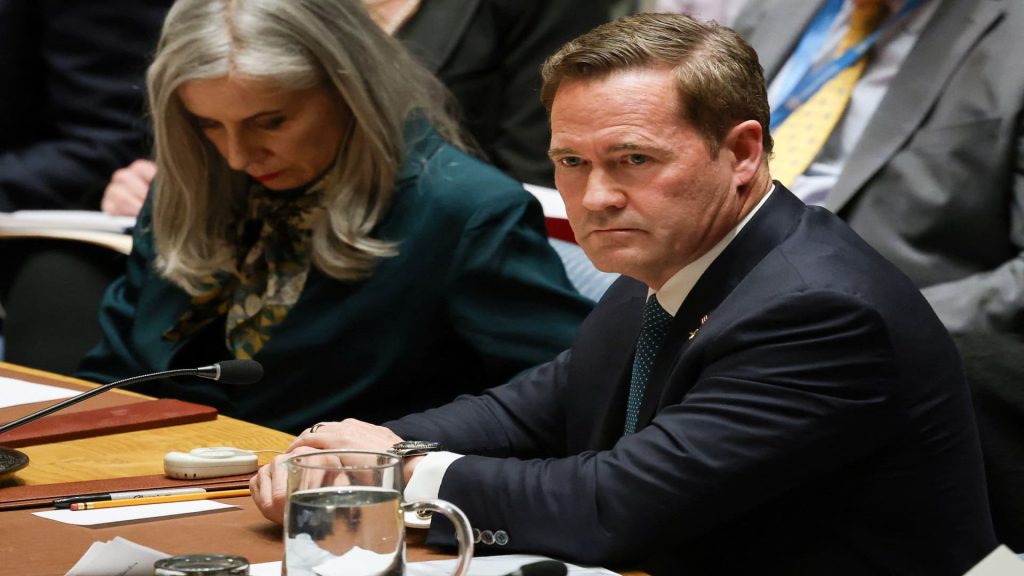
The United States is contemplating military action against Iran’s crucial oil export facilities on Kharg Island, according to UN Ambassador Mike Waltz, who emphasized that the current administration maintains all strategic options under consideration.
During an appearance on a Sunday news program, Waltz indicated that while recent military operations deliberately avoided targeting energy infrastructure, future strikes could potentially include these critical economic assets. Kharg Island represents a vital component of Iran’s economy, handling approximately 90% of the nation’s crude oil exports with processing capabilities reaching 7 million barrels daily.
Recent military actions have focused exclusively on military installations while preserving oil facilities, though officials suggest this approach could change depending on evolving circumstances. The strategic importance of this location has drawn international attention as tensions continue to escalate in the region.
Iranian Response and Regional Investigations
Iranian Foreign Minister Abbas Araghchi announced his country’s willingness to establish a regional committee to examine recent military targets. Through social media communications, he clarified that Iranian military responses have concentrated solely on American installations and interests within the region.
Araghchi emphasized that civilian and residential areas have remained untargeted in Iranian operations, while warning that any occupation of Kharg Island would represent a significant escalation beyond current military strikes.
Escalating Threats and Counter-Operations
The conflict has intensified with Iran’s Revolutionary Guard Corps issuing direct threats against Israeli leadership, while Israel has responded with targeted operations against senior Iranian intelligence personnel. Israeli forces reported successful elimination of key figures within Iran’s emergency command structure.
Additional Israeli operations targeted Iranian space research facilities and aerial defense manufacturing centers, while Iran continued retaliatory missile attacks toward Israeli territory, though emergency services reported no casualties from recent barrages.
International Naval Cooperation Sought
The administration has called upon multiple nations including China, France, Japan, South Korea, and the United Kingdom to contribute naval vessels for securing the strategically vital Strait of Hormuz. This maritime corridor typically handles approximately 20% of global oil and gas transportation.
South Korea’s Foreign Ministry acknowledged these requests while indicating careful review of the situation, noting the country’s significant energy dependence on Middle Eastern supplies. British officials confirmed intensive discussions regarding potential assistance, including possible deployment of mine-clearing capabilities.
Economic Impact on Global Energy Markets
The ongoing conflict has severely disrupted energy supplies through the Strait of Hormuz, with Brent crude futures surpassing $100 per barrel for consecutive days. Oil prices have surged more than 40% since the conflict began, reaching their highest levels since 2022.
Energy officials predict the conflict will conclude within weeks, anticipating subsequent supply recovery and price stabilization. However, current market volatility continues affecting global economic conditions as shipping operations remain significantly constrained.
The International Energy Agency announced emergency oil stock releases totaling approximately 412 million barrels, with Asian member countries planning immediate releases while European and American reserves will become available by late March.
Broader Regional Disruptions
The conflict’s impact extends beyond energy markets, affecting major sporting events and transportation throughout the Gulf region. Formula 1 has canceled upcoming races in Bahrain and Saudi Arabia scheduled for April, citing safety concerns.
Additionally, UEFA announced cancellation of the prestigious match between Spain and Argentina originally planned for Qatar, disappointing fans who anticipated watching top international talent compete in the region.
Oil-loading operations in the UAE’s Fujairah port resumed following temporary suspension due to debris from intercepted drone attacks, highlighting the widespread operational challenges facing regional infrastructure during the ongoing conflict.