The Science Behind Why Public Arguments While Walking Could Strengthen Your Relationship
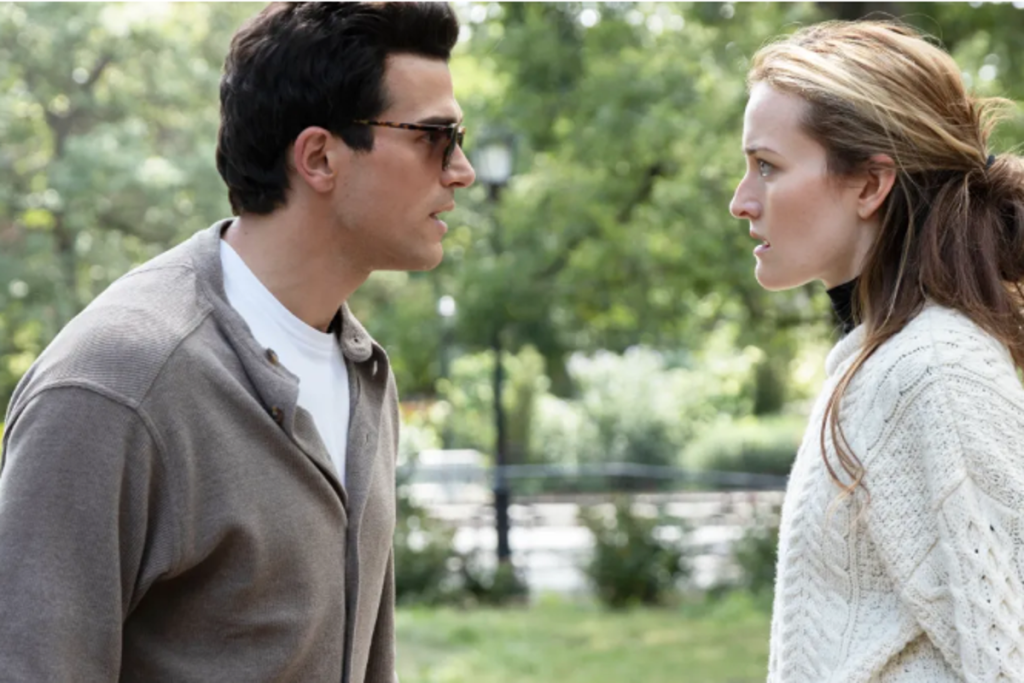
When John F. Kennedy Jr. and Carolyn Bessette engaged in their notorious public altercation in New York’s Battery Park on February 25, 1996, onlookers witnessed what appeared to be a relationship meltdown. The heated exchange, captured by paparazzi and recently dramatized in Ryan Murphy’s FX series, showed the couple screaming at each other while walking their dog, with Kennedy apparently removing an engagement ring from Bessette’s finger during the confrontation.
While such public displays of conflict are typically viewed as relationship red flags, emerging research suggests that arguing while walking might actually benefit couples. The practice, though culturally frowned upon in many societies, could offer unexpected advantages for resolving disputes and strengthening bonds.
The Psychological Benefits of Walking Arguments
Scientific studies indicate that walking activates creative thinking patterns, making individuals more receptive to their partner’s perspectives and novel solutions to relationship challenges. Columbia University psychologist Maya Rossignac-Milon explains that physical movement stimulates mental activity, enabling people to form connections they might miss while stationary.
The act of walking together also triggers what researchers call “step synchrony” – the natural human tendency to match pace with a companion. This shared rhythm creates a sense of unity and cooperation between partners, fostering feelings of closeness and increasing motivation to collaborate rather than compete.
Sideways Listening and Cooperative Positioning
Walking discussions encourage what therapists term “sideways listening” – communication that occurs at an angle rather than face-to-face. This positioning can help participants feel more relaxed and willing to share openly. Unlike traditional confrontational stances where partners face each other directly, walking places couples side by side, creating a cooperative perspective as they literally and figuratively move forward together.
Conflict resolution specialist Davina Clements notes that mobile arguments prove particularly effective for addressing recurring relationship issues. When couples find themselves trapped in repetitive disagreement patterns, changing the physical environment can alter behavioral responses and break destructive cycles.
Strategic Implementation for Better Results
Experts recommend planning walking discussions in advance rather than spontaneously storming out during heated moments. Clements advises against continuing conversations when emotions are already elevated, as this can lead to public embarrassment or feelings of being silenced.
Successful walking arguments require thoughtful preparation. Rossignac-Milon suggests choosing familiar, uncrowded routes to minimize distractions and decision-making pressure. The goal is avoiding additional complications that could derail productive conversation or create new sources of conflict.
Managing Intensity Through Strategic Silence
When discussions become too heated, couples should embrace temporary silence. Walking environments naturally provide external stimulation that reduces pressure to fill conversational gaps, allowing emotions to regulate. These quiet moments can create safer spaces for continued dialogue once tensions subside.
The language surrounding relationship conflict inherently involves movement metaphors – “moving forward,” “getting over” issues, “meeting halfway,” or being “at a standstill.” This linguistic pattern suggests deep connections between physical motion and emotional progress that couples can harness through walking discussions.
Real-World Applications and Outcomes
Despite the initial awkwardness many couples experience during public arguments, the practice often yields positive results. Even imperfectly executed walking discussions can lead to breakthrough solutions for long-standing problems that partners have avoided addressing.
The Kennedy-Bessette example, while dramatic, ultimately had a positive outcome. Kennedy later described their Battery Park argument as a “silly” dispute typical of long-term couples, and the pair married seven months later in a private ceremony.
For couples willing to overcome social conventions about public displays of conflict, walking arguments offer a scientifically-backed approach to relationship problem-solving. The combination of physical movement, cooperative positioning, and environmental change creates optimal conditions for productive dialogue and lasting resolution.