The Essential Guide to Cycling Shoes for Indoor Spin Bikes
While casual cyclists may feel comfortable wearing regular athletic shoes, serious indoor cycling enthusiasts quickly discover the importance of specialized footwear. These dedicated cycling shoes feature cleats that lock into compatible pedals, creating a secure connection that transforms the riding experience. Popular indoor cycling platforms like Peloton come equipped with Delta LOOK-compatible pedal systems, requiring matching footwear for optimal performance.
The specialized footwear utilizes a cleat mechanism that securely attaches to corresponding pedal sockets. Two primary cleat systems dominate the market: Delta cleats commonly found on Peloton bikes, and SPD cleats frequently used across both road cycling and indoor spin applications. Understanding these systems helps riders make informed equipment choices.
Many newcomers to indoor cycling initially resist investing in specialized shoes, often finding the concept intimidating. However, after experiencing the difference between regular sneakers and proper cycling footwear, most riders quickly appreciate the enhanced performance and comfort these shoes provide during intense workout sessions.
The Performance Benefits of Cleat Systems
Professional cyclists rely on cleat-equipped shoes because they dramatically improve power transfer from legs to pedals. This efficiency becomes crucial during high-intensity intervals, sprint segments, or when riding out of the saddle during challenging climbs. The rigid connection eliminates energy loss that occurs with traditional footwear.
Regular athletic shoes create several performance issues during intense cycling. Thin-soled shoes like canvas sneakers allow uncomfortable pedal pressure against the foot, while flexible running shoes bend and flex during powerful pedal strokes. These inefficiencies reduce workout effectiveness and can cause discomfort during longer sessions.
Proper cycling shoes channel all leg power directly into pedal movement without energy loss through shoe deformation. The cleat system also enables riders to apply force throughout the entire pedal rotation, not just during the downward stroke. This complete engagement activates additional muscle groups including glutes and hamstrings, creating a more comprehensive workout while improving pedal security at high cadences.
Mastering the Clipping Technique
Learning to engage and disengage cleats requires minimal practice time, typically just a few dedicated minutes. The attachment process involves positioning the cleat’s front edge into the pedal socket, then pressing down as if beginning a normal pedal stroke. This motion automatically locks the rear cleat portion into place.
Experienced riders perform this motion seamlessly while mounting their bikes, requiring only seconds of additional time. The disengagement process involves twisting the heel away from the bike frame, which releases the cleat mechanism instantly. Most pedal systems include adjustable tension screws, allowing riders to customize the engagement and release force according to their preferences and skill level.
Understanding Compatibility Requirements
Cycling pedals and shoes operate on specific compatibility standards that must match for proper function. The cleat attachment on shoe soles determines which pedal systems will work correctly. Different manufacturers utilize various cleat designs, creating distinct compatibility groups that cannot be mixed.
Peloton systems use large, triangular LOOK Delta cleats, while road cycling commonly employs Shimano’s SPD cleats in different variations. The SM-SH51 and SM-SH56 models offer different release characteristics, with the latter providing easier disengagement for beginners. Indoor cycling simplifies these choices since riders don’t need to consider walking comfort or emergency release scenarios.
Indoor cycling eliminates many outdoor cycling complications, as riders only need to walk short distances and don’t face emergency dismounting situations. This simplified environment allows focus on the basic foot-to-pedal connection without additional considerations about walkability or rapid release requirements.
Shopping Strategy for Complete Systems
Purchasing cycling shoes and pedals requires understanding how components are typically packaged and sold. Cleats traditionally accompany pedal purchases rather than shoes, though some shoe manufacturers include them as well. This packaging approach requires careful planning to ensure complete system compatibility.
The recommended purchasing sequence involves first selecting pedals with the desired cleat type, then finding compatible shoes with appropriate mounting hole patterns. Some shoes accommodate multiple cleat types, providing flexibility for riders who may use different bikes or want to change systems later.
Multiple riders sharing the same bike need individual shoe and cleat sets, though only one pedal set per bike is required. Careful inventory management ensures each rider has the necessary components for their personal equipment setup.
Installation and Setup Process
New pedal purchases typically include cleats in separate packaging, ready for installation on compatible shoes. Proper shoe fitting should prioritize snug comfort without causing pressure points or pain, as cycling shoes generally fit more tightly than regular athletic footwear.
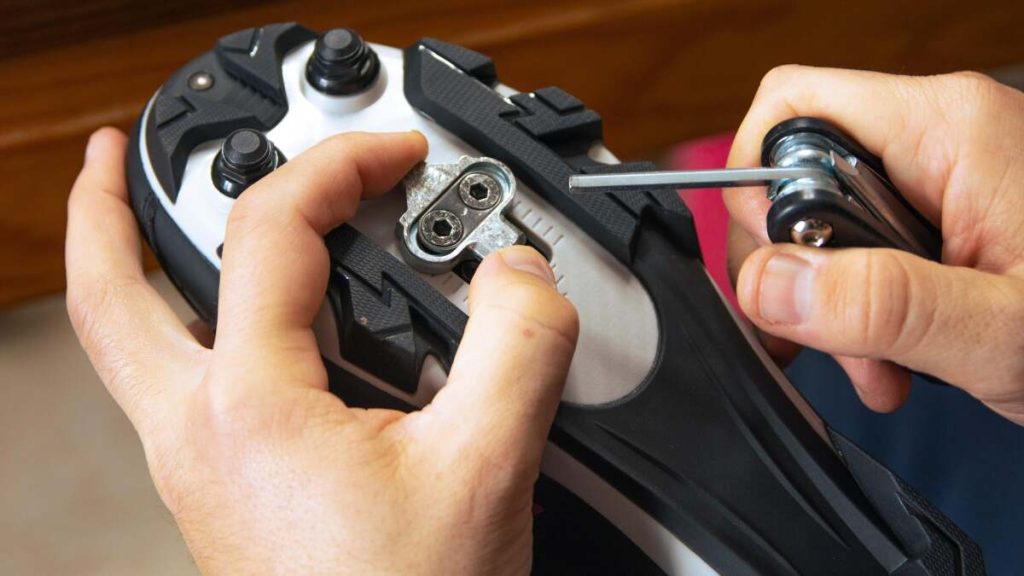
Cleat installation involves positioning the hardware correctly on the shoe sole and securing it with provided screws. Online video tutorials specific to each cleat type provide detailed installation guidance. After installation, practice sessions help riders become comfortable with the engagement and release motions before intense workouts.
Fine-tuning opportunities exist within most systems, including pedal tension adjustments and cleat positioning modifications. These customizations become apparent after several rides, when riders better understand their preferences and any comfort issues that need addressing.
SPD System Recommendations
SPD cleats offer excellent versatility for riders who cycle both indoors and outdoors, allowing the same shoes to work across different bike types. Reversible pedals provide both SPD compatibility and traditional toe cage options, accommodating different footwear choices when needed.
Standard SPD pedals offer dedicated cleat engagement without toe cage alternatives, providing a cleaner aesthetic and potentially better power transfer. Additional cleat sets enable multiple riders to share equipment or provide backup hardware for maintenance purposes.
SPD-compatible shoes range from sneaker-styled options to performance-oriented designs with advanced closure systems. Mountain bike shoes often work excellently for indoor cycling, providing durability and comfort for extended sessions.
Peloton-Specific Equipment Options
Peloton riders often find shoes marketed specifically for their platform, frequently with pre-installed cleats for convenience. However, many experienced users prefer third-party options that offer better fit, comfort, or closure systems compared to official branded footwear.
LOOK Delta cleats and pedals are available separately for riders who prefer to customize their setup or need replacement hardware. The triangular mounting pattern requires shoes with appropriate hole configurations to ensure proper installation and function.
Shoe selection should prioritize fit quality and closure convenience over brand loyalty, as comfortable, well-fitting footwear significantly impacts workout enjoyment and performance during extended cycling sessions.