The Cultural Evolution of Hong Kong’s Traditional Tea Restaurants
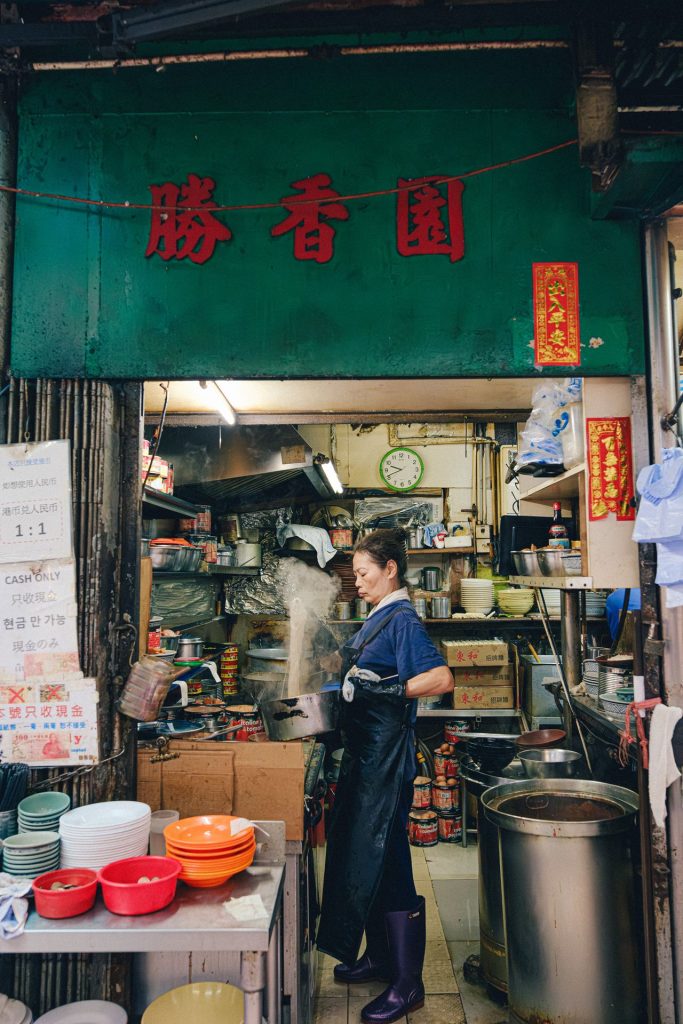
The bustling atmosphere hits you immediately upon entering one of these establishments. Waitstaff navigate between packed tables, scribbling orders on worn notepads while delivering steaming glasses of lemon tea to white laminate surfaces. Patrons continuously move in and out, some pausing to photograph their butter-topped French toast before queuing at the cashier near the entrance.
Seated shoulder-to-shoulder at a cramped booth facing the wall, we sample the quintessential offerings: ham and macaroni soup, rich milk tea, and fluffy scrambled eggs accompanied by soft toasted white bread. The entire meal arrives within four minutes, everything served piping hot. Less than half an hour later, we settle our bill and emerge onto the street, feeling as though we’ve just escaped a whirlwind experience.
Throughout Hong Kong’s vast urban landscape, these tea restaurants serve as the backbone of the city’s food culture. This unique culinary tradition emerged from colonial influences and resourceful cooking with available ingredients, eventually growing beyond its geographical origins. While these establishments may not boast the most striking storefronts, they form an integral network of fast-service eateries that define Hong Kong’s dining identity.
The menus showcase a distinctive fusion cuisine that reflects both the city’s complex history and the adaptability of those who create and consume these meals. This fundamental restaurant category is gaining recognition from culinary professionals and food enthusiasts worldwide, with new interpretations appearing in major cities including Paris, New York, and Sydney.
These traditional tea houses can be found throughout Hong Kong, from busy thoroughfares to narrow alleyways. Some have operated for decades with devoted followings, while others consist of simple street-side setups where customers perch on makeshift seating to enjoy a quick beverage. The Central district alone houses dozens of these establishments within just a few kilometers.
Many Hong Kong residents rely on these venues for at least one daily meal, drawn primarily by their convenience factor. Speed remains paramount – diners expect to complete their meal and depart within fifteen to twenty minutes. The concept resembles American diner culture but operates at convenience store pace.
The comfort of familiar offerings provides another significant attraction. The standard menu categories remain largely consistent across establishments, featuring beverages, baked items, and savory dishes that blend Cantonese and British culinary traditions.
Popular drinks include Horlicks, the British malted beverage, alongside robust, creamy milk tea. The bakery selection encompasses flaky egg tarts, soft pineapple buns, sweet-savory pork floss pastries, and simple crusty bread drizzled with condensed milk. Baked rice dishes complete the savory offerings, such as pork chop rice featuring a fried rice foundation topped with tomato sauce and melted cheese.
Culinary traditions evolve naturally over time, with distinct elements gradually merging to create entirely new cooking styles. This process shaped Hong Kong’s tea restaurant culture, which emerged following World War II as Western influences began transforming the city’s dining landscape.
Academic research into these establishments proves challenging due to limited historical documentation. Before 1997, many people considered these restaurants too commonplace to warrant preservation in written records. However, certain timeline elements can be established with confidence.
The current terminology originated in the 1950s, representing a fusion of several popular midcentury restaurant formats. Ice rooms provided refrigeration and cold beverages – luxuries of that era – serving iced drinks and light fare like sandwiches during Hong Kong’s sweltering summers.
Simultaneously, Western-style restaurants catering to affluent residents offered American, French, Italian, and English cuisine, while street vendors sold small portions to passersby. These distinct formats gradually converged throughout the following decades, creating a hybrid dining concept that incorporated elements from each tradition.
French culinary techniques like roux found their way into hearty baked rice preparations. Strong black tea combined with evaporated milk evolved into the signature milk tea. Macaroni soup, originally made with canned ingredients during the postwar period, became a staple with continuously refined and improved broths.
Recent changes including the pandemic and increased mainland Chinese investment have transformed Hong Kong’s landscape, affecting these traditional establishments as well. However, culinary experts maintain that they continue serving as a vital cultural institution, even as older venues close and new ones adapt to changing circumstances.
Rather than disappearing, these restaurants are transforming and expanding globally. Modern interpretations have emerged internationally, offering traditional items like crispy-topped pineapple buns and Ovaltine cookies alongside innovative creations such as fried chicken burgers served on pineapple buns with various spreads.
The beloved dishes have traveled far beyond their origins, reimagined by chefs worldwide who respect the tradition enough to create contemporary variations. This global expansion doesn’t diminish the essentially Hong Kong character of these establishments and their cuisine. Instead, such evolution represents the core strength that has ensured their survival across decades – their inherent capacity for adaptation and change.