Smart Ring or Smartwatch: Choosing Between Oura Ring and Apple Watch
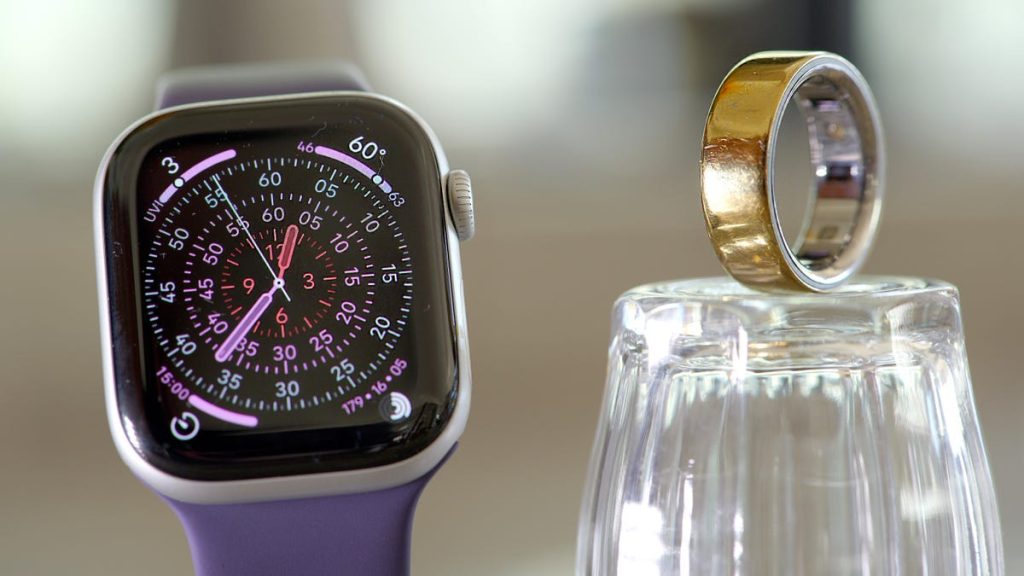
After extensive testing of both the Oura Ring and Apple Watch, the decision between these two popular wearable devices ultimately comes down to personal priorities and lifestyle needs. Rather than declaring one superior to the other, it’s more valuable to understand how each device excels in different areas of health and fitness tracking.
These wearable technologies represent different approaches to health monitoring. While both fall under the wellness tracking category, they serve distinct purposes and cater to varying user preferences. The choice becomes more complex when considering that both devices carry substantial price tags – approximately $500 for the Oura Ring 4 and around $400 for the Apple Watch Series 11.
Contrasting Design Philosophies
The fundamental difference between these devices lies in their interaction styles. The Apple Watch functions as a comprehensive smart device that extends your smartphone’s capabilities to your wrist. It handles notifications, phone calls, mobile payments, and provides real-time workout metrics during exercise sessions.
However, this functionality comes with constant demands for attention through vibrations, alerts, and notifications. The device requires daily charging, which often results in gaps in data collection, particularly during nighttime when users may leave it charging or prefer not wearing a watch to bed.
In contrast, the Oura Ring operates with minimal user interaction. It functions quietly in the background, requiring attention only when charging is needed approximately once per week. This unobtrusive nature means users often forget they’re wearing it, leading to more consistent data collection over extended periods.
Long-Term Health Monitoring Excellence
The Oura Ring demonstrates superior capabilities in establishing and tracking long-term health patterns. By building a comprehensive baseline of individual health metrics over time, the device can quickly identify deviations that may indicate illness onset, energy fluctuations, or hormonal changes.
The ring’s readiness score frequently provides early warning signs of impending illness or the need for recovery. When scores drop, the application recommends specific actions like entering Rest Mode, which temporarily suspends activity goals to prioritize recovery. This proactive approach encourages users to take necessary rest days they might otherwise skip.
For menstrual cycle and fertility tracking, the Oura Ring excels at mapping temperature variations that pinpoint ovulation timing. The clear visualization of basal body temperature changes helps users understand how hormonal fluctuations affect their overall well-being throughout their cycle.
The device does require a monthly subscription fee of $6 to access detailed analysis and contextual insights. Without this subscription, users see basic scores but miss the deeper explanations that make the data actionable.
Fitness Tracking and Daily Functionality
The Apple Watch dominates in active fitness monitoring and daily utility functions. Real-time workout metrics, including pace alerts, heart rate zones, and distance tracking, provide immediate feedback that can enhance training sessions. The extensive library of third-party fitness applications supports various workout types and activities.
Safety features distinguish the Apple Watch significantly, offering fall detection, crash detection, emergency location sharing, and navigation assistance. These capabilities can prove genuinely life-saving in emergency situations.
The device’s integration with daily life extends beyond fitness, serving as a communication hub, payment method, and phone locator. For users managing busy schedules and multiple responsibilities, these convenience features provide substantial value.
While the Oura Ring attempts activity tracking, its capabilities remain limited. The device can automatically detect some workouts after completion, but users must manually confirm activities to receive credit. Lower-intensity exercises often go unrecognized, and the lack of real-time feedback during workouts limits its utility for active training.
Making the Right Choice
The decision between these devices depends on individual priorities and life circumstances. The Oura Ring excels for users prioritizing long-term health trend analysis, sleep optimization, and subtle health change detection. Its discrete design and extended battery life make it ideal for consistent, passive monitoring.
The Apple Watch serves users who value comprehensive fitness tracking, daily connectivity, and multifunctional convenience. It’s particularly beneficial for those with active lifestyles who want real-time workout guidance and safety features.
For users focused on immediate fitness goals and daily productivity, the Apple Watch typically provides greater value. However, those interested in understanding long-term health patterns and hormonal cycles may find the Oura Ring more beneficial. The optimal choice varies based on current life stage, health priorities, and personal preferences for device interaction.