Slay the Spire 2 Early Access Review: Innovation Struggles Against Familiarity
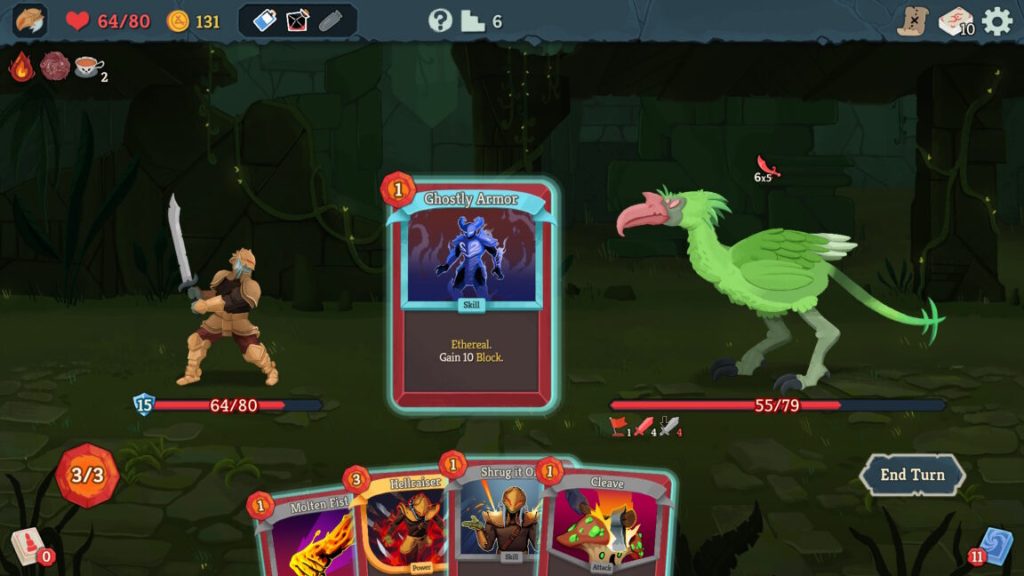
The highly anticipated sequel to the beloved roguelike deckbuilder has entered Early Access, bringing with it both excitement and a nagging sense of déjà vu. While Slay the Spire 2 introduces fresh mechanics and characters, it may lean too heavily on its predecessor’s formula to truly recapture the magic of discovery that made the original so compelling.
New Characters Bring Fresh Possibilities
The standout addition comes in the form of two new playable characters that offer genuinely different gameplay experiences. The Necrobinder emerges as perhaps the most intriguing addition, featuring a skeletal companion named Osty that fundamentally changes combat dynamics. This bony ally serves multiple purposes: acting as a secondary health buffer while also providing alternative attack options that can bypass common enemy debuffs.
Osty’s mechanics create fascinating strategic layers. The companion automatically returns after death while retaining health bonuses, encouraging players to invest in its survival and power. Combined with the Necrobinder’s Doom system—which accumulates damage counters that execute enemies when their health drops below the Doom threshold—this character offers satisfying pincer-style combat that feels genuinely fresh.
The Regent presents a different challenge entirely, introducing Stars as a secondary resource alongside the traditional Energy system. This dual-resource management creates compelling decision trees: weak cards generate Stars, while powerful cards consume them for devastating effects. Unlike Energy, Stars persist between turns, enabling players to build up reserves for explosive combo turns that can cycle through entire decks.
Familiar Territory Returns Too Quickly
Despite these innovations, the sequel’s reliance on established systems becomes apparent remarkably fast. Players experienced with the original will find themselves adapting to new characters within just a few runs, quickly identifying optimal strategies and falling into comfortable patterns. The underlying framework remains so similar that veteran players can leverage their existing knowledge to dominate even unfamiliar mechanics.
This familiarity becomes even more pronounced with returning characters. The Ironclad, Silent, and Defect carry over largely unchanged, offering minor additions like the Silent’s new Sly keyword for discard synergies, but failing to meaningfully refresh the experience. Many enemies, relics, and blessings transfer directly from the original, while new additions feel more like variations on existing themes than genuine innovations.
The sequel faces an inherent challenge: how do you innovate within a formula that was already near-perfect? For players seeking more content in the same vein, Slay the Spire 2 delivers exactly that. The game provides sufficient unlockable content and difficulty modifiers to sustain hundreds of hours of additional play.
A Question of Expectations
However, those hoping for a transformative experience that rekindles the sense of discovery from their first encounter with the genre may find themselves disappointed. The sequel feels less like a revolutionary step forward and more like a comfortable expansion of familiar territory.
While moment-to-moment decisions remain engaging—weighing card choices, balancing offense and defense, optimizing campfire visits—the overarching strategic landscape becomes predictable too quickly. The thrill of genuine discovery, of slowly unraveling complex systems and interactions, proves difficult to recapture when the foundation remains so recognizable.
Slay the Spire 2 succeeds as a competent sequel that expands upon its predecessor’s strengths. Whether that expansion provides enough novelty to justify another deep dive into the genre’s mechanics will largely depend on individual players’ appetite for familiar comfort versus transformative innovation.