Regional Tensions Escalate as Middle East Conflict Continues into Third Week
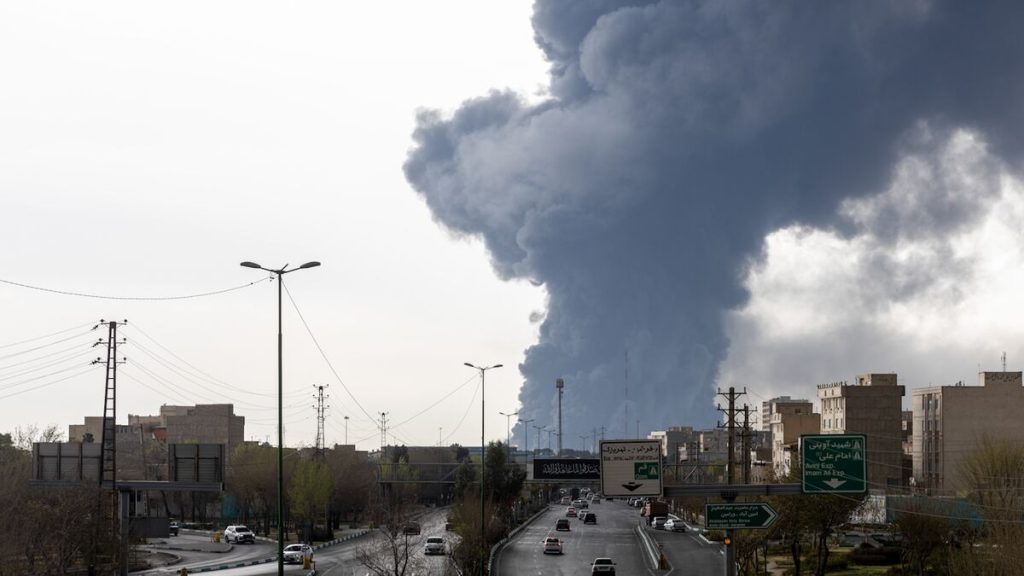
The ongoing conflict in the Middle East has reached its sixteenth day, marked by a significant escalation involving unmanned aerial vehicle strikes targeting oil infrastructure in the United Arab Emirates. This development represents a concerning expansion of hostilities that have drawn in multiple regional and international actors.
The drone attacks on UAE petroleum facilities signal a dangerous broadening of the conflict beyond its initial scope. These strikes have raised alarm bells among international observers who fear the potential for wider regional destabilization as the confrontation continues to evolve.
The current crisis involves a complex web of regional powers and their international allies, with tensions reaching levels not seen in recent years. The involvement of various state and non-state actors has created a volatile situation that threatens to spill over into neighboring territories.
Energy infrastructure has increasingly become a target in this expanding conflict, raising concerns about global oil supplies and regional economic stability. The attacks on UAE facilities underscore how critical energy assets have become strategic targets in modern warfare.
As the situation enters its third week, diplomatic efforts to contain the crisis have yet to yield significant results. International observers continue to monitor developments closely as the potential for further escalation remains high.
The current phase of the conflict demonstrates how quickly regional tensions can spiral into broader confrontations involving multiple nations and affecting global energy markets. The targeting of civilian infrastructure has added another layer of complexity to an already volatile situation.