Middle East Conflict Forces Travelers to Launch Crowdfunding Campaigns for Safe Return
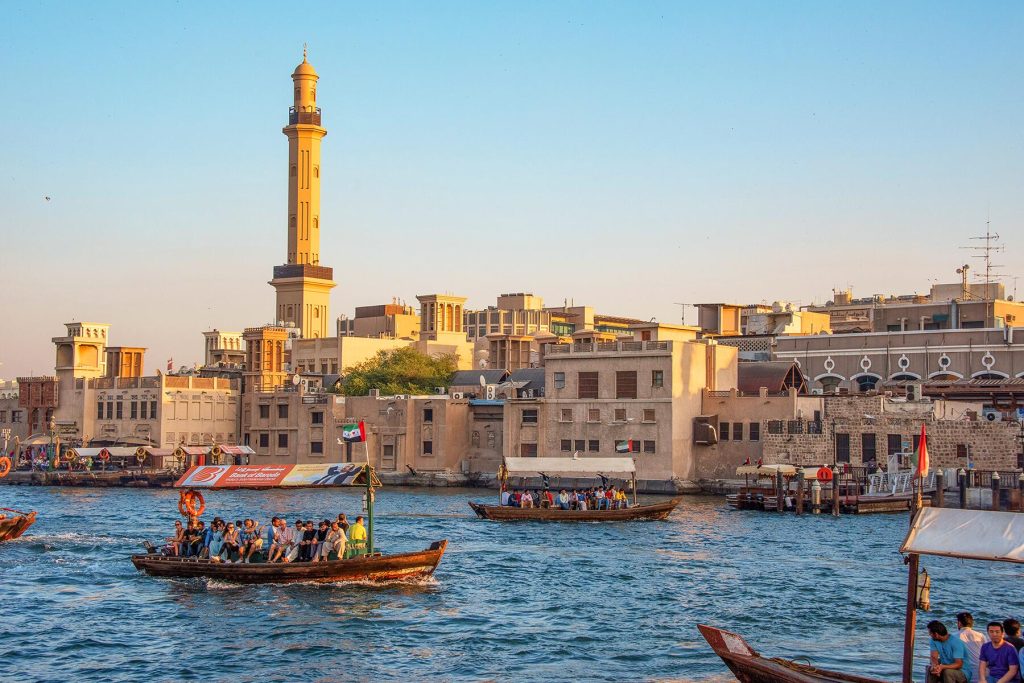
As military tensions escalate across the Middle East, thousands of international travelers find themselves trapped in the region, turning to online fundraising platforms to finance their unexpected extended stays and costly journeys home.
The ongoing conflict has created widespread disruption to global travel networks, with soaring fuel costs, volatile financial markets, and severely restricted air travel. Massive airspace closures have left countless visitors stranded, forcing many to seek financial assistance through crowdfunding to cover mounting expenses.
Following military strikes between the United States, Israel, and Iran beginning February 28, the situation has deteriorated rapidly. Iranian casualties have exceeded 1,700 people, while American military deaths have reached at least seven soldiers. The conflict has resulted in the cancellation of thousands of flights, affecting hundreds of thousands of travelers worldwide.
Extended stays have created significant financial burdens for stranded tourists, who face accumulating costs for accommodation, meals, and medical supplies while awaiting assistance from their governments and airlines. Many have launched GoFundMe campaigns to help cover these unexpected expenses.
Among those seeking help is Remy Thomas from Texas, whose campaign has generated nearly $10,000 of an $11,000 goal. Thomas and companion Shanice eventually reached the United States via a routing through Dubai and Sydney. Similarly, Clifford Heard and his wife Bri’Ana successfully raised $10,000 from their community after being stranded in Dubai. Their journey home involved flights through Greece to Newark, then Cincinnati, with their fundraising page noting that donations helped cover lodging costs during seven flight cancellations.
A religious group from Calvary Chapel Summerville in South Carolina faced similar challenges when stranded in Israel on their scheduled departure date. Their $100,000 fundraising campaign, seeking $2,500 per person for 40 travelers, reached its target, and the church has confirmed all members returned safely.
According to media reports, at least 28 active fundraising campaigns have been identified on crowdfunding platforms, though many remain far from reaching their financial goals.
Government Response and Ongoing Challenges
The United States government issued travel advisories for 14 Middle Eastern countries earlier this month, instructing American citizens to shelter in place or evacuate if possible. However, the lack of commercial flights made departure nearly impossible for many. Other nations responded more quickly with organized repatriation flights for their citizens.
The State Department initially faced criticism from both travelers and diplomatic personnel for advising people to arrange their own transportation home. The agency provided limited information about potential repatriation flights, with recorded messages stating that Americans should not depend on government assistance for evacuation.
Government officials later announced that they had assisted thousands of individuals, with Secretary of State Marco Rubio promising that every American citizen would receive help through military and chartered flights, though closed airspace remained a significant obstacle. Eventually, recovery flights began operating, and more than 27,000 Americans have returned to the United States as of recent reports, though most arranged their own transportation.
The crisis has also affected travelers with connecting flights who now find themselves stranded in transit. Both the United Arab Emirates and Qatar have announced they will cover accommodation and meal expenses for stranded passengers, requesting hotels to extend stays. However, travelers remain uncertain about reimbursement procedures for these costs.
Airlines are prioritizing passengers with existing reservations while operating limited services. Emirates, Etihad, and Qatar Airways continue running restricted flights, primarily focused on repatriating tourists and foreign nationals. Those fortunate enough to secure seats on the limited commercial flights available face extremely high prices due to overwhelming demand.
Wealthy travelers have resorted to chartering private aircraft at costs reaching $200,000 to escape the conflict zone, while others pay substantial amounts to drive to safer airports in Oman, Saudi Arabia, or Egypt for alternative departure options.