Meet the Talented Vocalists Behind the Animated Idols of Kpop Demon Hunters
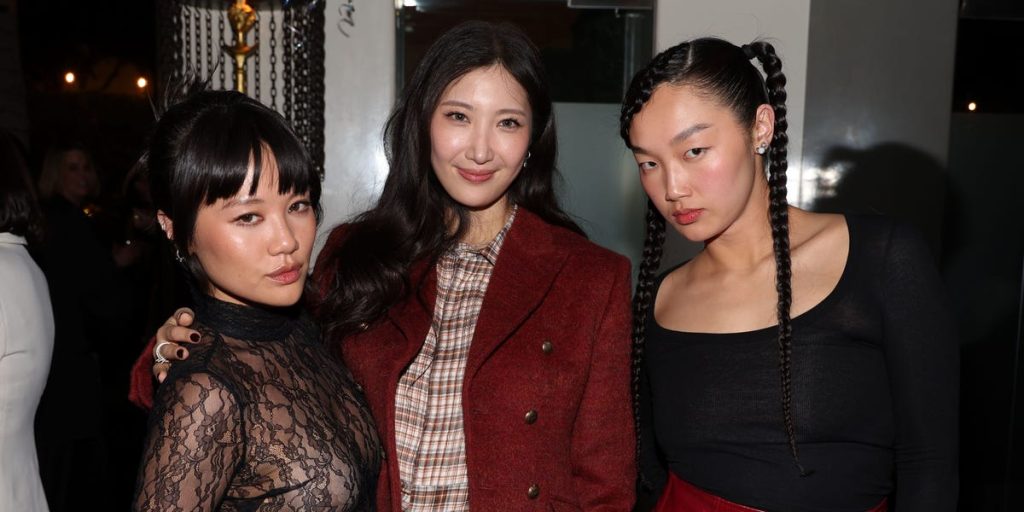
The animated musical phenomenon that has captured global audiences features three remarkable artists who bring the fictional group HUNTR/X to life through their powerful vocals. These rising stars have stepped into the international spotlight as their contributions to the film’s soundtrack gain widespread recognition and critical acclaim.
The movie has achieved unprecedented success, becoming a streaming platform favorite while its hit single has earned platinum certification. The film’s musical achievements have garnered significant awards attention, including Grammy recognition, Critics Choice victories, and Golden Globe acknowledgments for Best Original Song.
The Voice Behind Rumi: A Journey from K-pop Training to Global Recognition
Kim Eun-jae, the Korean-American artist who voices Rumi, brings over two decades of musical experience to the project. Now 33 and based in New York City, she not only performed Rumi’s vocal parts but also co-wrote several of the film’s key songs, including the acclaimed hit single.
Her musical journey began early in Seoul, where she underwent extensive idol training with a major K-pop entertainment company starting at age 11. After a decade in the program, she pursued higher education at New York University’s Tisch School of the Arts, where she honed her skills in beat production and songwriting.
Before her breakthrough as a performer, she established herself as a successful behind-the-scenes contributor to the K-pop industry. Her songwriting credits include work for major acts such as Red Velvet, TWICE, and Taeyeon. Her transition from songwriter to featured vocalist occurred when the film’s directors heard her demo recordings and recognized her potential as Rumi’s voice.
The global response to her work has been overwhelming, with the artist expressing amazement at the impact her music has had on audiences worldwide. She has shared particularly moving stories about how the songs have provided comfort to people during difficult times, including instances where her music was requested during final moments.
Mira’s Musical Voice: Genre-Blending Artistry
The 26-year-old New Jersey native who voices Mira has built a reputation as a versatile artist capable of seamlessly transitioning between rap and melodic pop vocals. Her musical style incorporates elements from various genres, reflecting her diverse musical influences and creative approach.
Her previous work includes several successful independent releases that showcased her ability to blend alternative R&B with bold pop sensibilities. This versatility made her an ideal choice for bringing Mira’s character to life through song.
Growing up as one of the few Asian Americans in her community, she was exposed to an eclectic range of musical influences from around the world. This diverse musical foundation has informed her artistic perspective and contributed to her belief that traditional genre boundaries are becoming increasingly irrelevant in contemporary music.
Zoey’s Vocal Performer: From Personal Healing to Global Impact
Sarah Yeeun Lee, the artist behind Zoey’s voice, moved from Seoul to Maryland at age six and discovered music’s therapeutic power during her university years. The 30-year-old performer studied communication at the University of Maryland, where she began using music as a coping mechanism following a depression diagnosis.
Her stage name combines references to characters from a popular anime series, reflecting her connection to pop culture and creative expression. She built a dedicated following through solo releases, including viral hits that have garnered millions of views and established her presence in the alternative pop and rap scenes.
Her musical collaborations span various artists across different genres, demonstrating her adaptability and range as a performer. Known for incorporating theatrical elements into her pop and R&B-influenced rap style, she brought dynamic vocal capabilities to Zoey’s character.
The meticulous process of creating the film’s vocal arrangements required significant time and effort, particularly in developing the complex three-part harmonies that define the group’s sound. The artist has been vocal about the technical challenges and creative satisfaction involved in this collaborative process.
Beyond the technical aspects of her contribution, she has spoken about how the project validated her expressive artistic approach and provided a platform to inspire others, particularly young Korean women, to embrace their authentic selves and reject cultural pressures toward conformity.