Mastering Air Travel Rest: Sleep Strategies for Any Airplane Seat
Getting quality rest during air travel remains one of the most challenging aspects of flying, particularly when you’re not fortunate enough to secure a window or aisle seat. However, with the right preparation and techniques, achieving comfortable sleep is possible regardless of your seating assignment.
Essential Pre-Flight Preparation
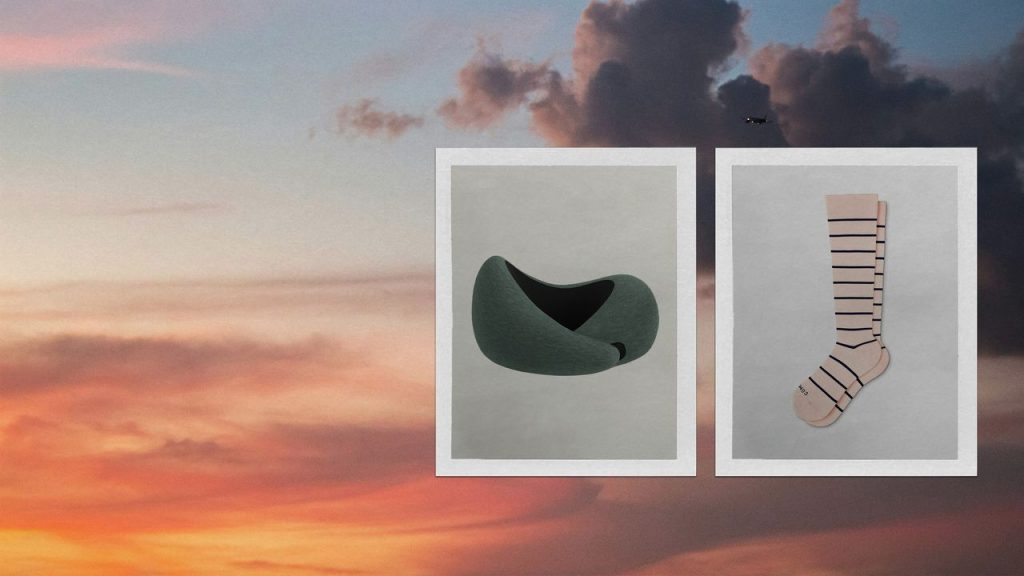
Success in airplane sleeping begins before you even board the aircraft. Pack a comprehensive sleep kit that includes a quality neck pillow, eye mask, and noise-canceling headphones or earplugs. Choose comfortable, loose-fitting clothing in layers to accommodate temperature fluctuations during the flight.
Consider your timing carefully. If possible, book flights that align with your natural sleep schedule. Red-eye flights can work in your favor if you’re naturally tired during those hours, while daytime flights may require more effort to achieve rest.
Optimizing Your Middle Seat Experience
While middle seats present unique challenges, they’re not insurmountable. Focus on creating your own personal space within the constraints. Use the armrests strategically—typically, the person in the middle seat has claim to both armrests as compensation for the less desirable position.
Position your body at a slight angle rather than sitting completely straight. This can help you find a more comfortable resting position while minimizing encroachment on your neighbors’ space. Keep your feet flat on the floor and avoid crossing your legs, which can restrict circulation during long periods of rest.
Creating the Right Environment
Transform your immediate surroundings into a sleep-conducive environment. Use your eye mask to block out cabin lights and the activity of other passengers. Noise-canceling headphones or high-quality earplugs can significantly reduce the constant hum of engines and conversations.
Adjust your air vent to create a gentle, cool airflow directed away from your face. This helps maintain a comfortable temperature and provides subtle white noise that can aid in relaxation.
Physical Positioning Techniques
Experiment with different sleeping positions to find what works best in your confined space. Many travelers find success with a slight forward lean, using a tray table pillow or resting their head on folded arms. Others prefer leaning slightly to one side, using a neck pillow for support.
If you’re traveling with companions, coordinate your rest periods. Having a trusted travel partner can allow you to lean slightly in their direction for additional support and comfort.
Managing Disruptions
Accept that airplane sleep will likely be lighter and more fragmented than your typical rest. Prepare mentally for interruptions from meal service, turbulence, and other passengers moving about the cabin. Rather than fighting these disruptions, work with them by viewing your rest in segments.
Stay hydrated but be strategic about fluid intake to minimize bathroom trips. Avoid excessive alcohol and caffeine, which can interfere with sleep quality and increase the need for restroom visits.
Additional Comfort Strategies
Consider investing in travel-specific accessories designed for airplane comfort. Inflatable foot rests can provide leg support, while compression socks help maintain circulation during long flights. Some travelers swear by travel blankets that attach to seat backs, creating a more enclosed, cocoon-like environment.
Practice relaxation techniques such as deep breathing exercises or progressive muscle relaxation. These methods can help you unwind despite the less-than-ideal sleeping conditions and the proximity of other passengers.