Four Common Kitchen Tools That May Be Contaminating Your Food With Microplastics
Microscopic plastic particles have infiltrated virtually every aspect of our environment, including the air we breathe, the water we drink, and the food we consume. These tiny fragments have even been detected within human bodies. While scientific research continues, a comprehensive 2024 study suggests that microplastics could potentially damage respiratory, reproductive, and digestive systems, with possible connections to colon cancer.
After years of awareness about microplastic risks, one wellness expert decided to investigate her own kitchen for potential contamination sources. The examination revealed four common culprits that many households unknowingly use daily. Here are the problematic items discovered and the safer alternatives being considered.
Plastic Storage Containers Present Multiple Risks
Kitchen cabinets across America house numerous plastic food storage containers, many showing visible wear from repeated use. While some are designated for dry goods storage, others regularly hold leftovers and endure microwave heating cycles despite claims of being appliance-safe.
Recent scientific findings reveal alarming statistics about food contact chemicals. Research from September 2024 identified that among 14,000 known chemicals present in food packaging, approximately 3,600 have been detected in human bodies. Specifically, 235 food contact chemicals from materials touching consumables have been found in people, including various plastic compounds.
Microwave usage with plastic containers poses particular concerns. A June 2023 investigation determined that heating plastic containers in microwaves produced the highest release of microplastics and nanoplastics into food compared to other storage methods. Even refrigeration and room temperature storage can release billions of these particles over six months. Nanoplastics, measuring less than one micron, may pose greater health risks due to their extremely small size.
The concern extends beyond home storage to takeout containers, which often lack proper heat-safety specifications. Legal challenges have emerged against major brands, with Rubbermaid facing lawsuits alleging that containers marketed as microwave and freezer safe still release microplastics into food.
Additional research from August 2024 showed that freezing and thawing processes also trigger microplastic release from container surfaces. Frozen plastic can become brittle and shed fragments directly into stored food.
Recommended Alternative
Glass containers offer the safest storage solution, eliminating plastic contamination risks entirely. Modern glass storage systems provide durability suitable for oven, microwave, freezer, and dishwasher use while maintaining food safety standards.
Black Plastic Cooking Utensils Harbor Hidden Dangers
Kitchen utensils made from plastic materials can transfer microscopic particles into food during cooking, according to June 2024 research findings. Even kitchens equipped primarily with wooden cutting boards, metal cutlery, and silicone mixing tools may contain overlooked plastic items.
One commonly retained item is the plastic spatula, often kept for specific tasks like flipping pancakes or eggs due to its ideal width and flexibility. However, these conveniences come with contamination risks that warrant immediate attention.
Safer Cooking Tool Options
Metal or wooden spatulas provide effective alternatives without plastic contamination concerns. Stainless steel fish turners offer excellent width and flexibility for delicate cooking tasks, while wooden options provide gentle food handling capabilities.
Non-Stick Air Fryer Coatings Contain Plastic Components
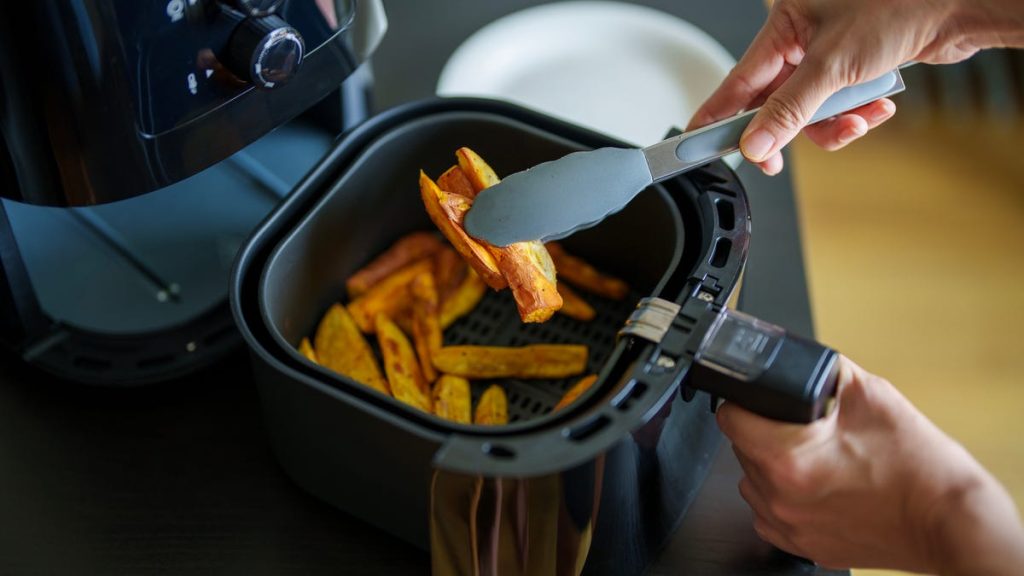
Popular air fryer models often feature non-stick coatings containing PTFE, a plastic-based material. While manufacturers claim compliance with food contact regulations, recent studies raise concerns about these surfaces.
June 2024 research demonstrated that PTFE-coated cookware can release microplastics and nanoplastics when scratched by sharp utensils or exposed to high temperatures. This finding challenges previous assumptions about the safety of non-stick surfaces during normal cooking operations.
Plastic-Free Air Frying Solutions
Advanced air fryer models now utilize glass construction with nano-ceramic coatings instead of plastic-based non-stick surfaces. These alternatives eliminate PFAS and PTFE exposure while maintaining cooking performance and easy cleanup.
Tea Bags Contribute Significant Microplastic Exposure
Standard tea bags represent one of the most surprising sources of microplastic contamination in kitchens. Research published in February 2025 identified tea bags as major contributors of plastic particles to hot beverages.
When tea bags and strings steep in hot water, they can release over one billion microplastics and nanoplastics into the liquid. This contamination occurs regardless of whether bags use plastic heat-sealing or claim biodegradable construction, as many biodegradable options still contain plastic components.
The distinction between compostable and biodegradable products proves crucial for consumers. Compostable tea bags utilize organic plant-based materials that break down completely, while biodegradable products may contain petroleum-based plastics that leave microplastic residues.
Microplastic-Free Tea Preparation
Loose-leaf tea paired with stainless steel infusers eliminates tea bag contamination entirely. Glass electric kettles ensure that water heating introduces no additional plastic exposure, creating a completely plastic-free brewing process.
Gradual Kitchen Transformation Approach
While immediate replacement of every plastic kitchen item isn’t necessary, gradually transitioning to silicone, wood, metal, or glass alternatives offers long-term benefits. This measured approach proves particularly valuable for items regularly exposed to heat, cold, or washing cycles, where microplastic release rates increase significantly.