Bold 1990s Color Schemes Make a Statement Return to High Fashion
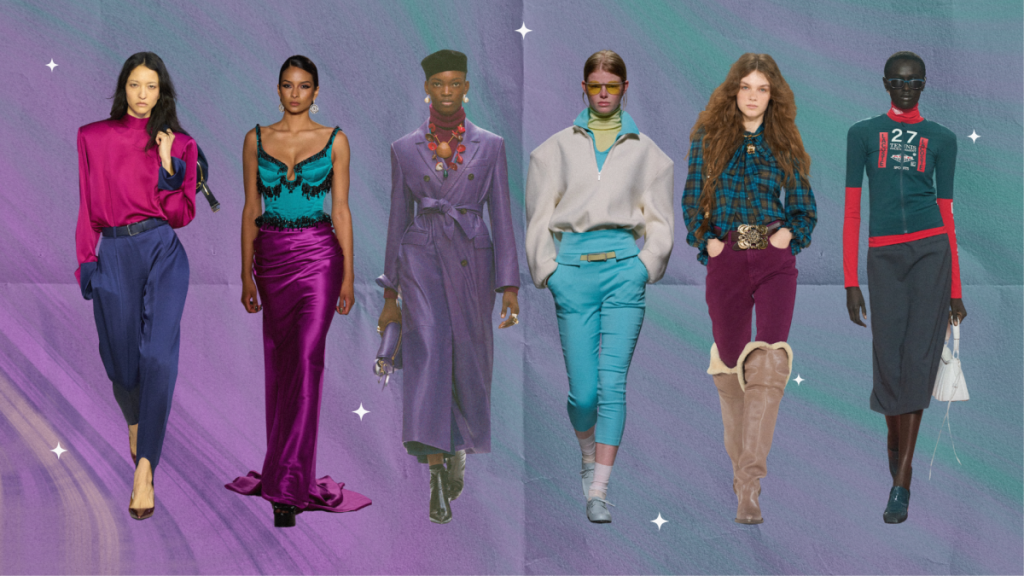
The fashion world is witnessing a dramatic shift toward vibrant, eye-catching color palettes reminiscent of the 1990s. After years dominated by understated luxury and neutral tones, designers are embracing the bold contrasts and saturated hues that defined a generation’s aesthetic sensibilities.
This chromatic revolution represents a departure from recent trends favoring muted palettes and minimalist approaches. The resurgence draws inspiration from the decade’s distinctive use of electric blues, hot pinks, deep purples, and striking yellows that once characterized both streetwear and pop culture.
Cultural Origins of the 90s Color Movement
The decade’s bold aesthetic emerged through various cultural touchstones, from influential films to groundbreaking streetwear brands. Spike Lee’s cinematography showcased brilliant, almost overwhelming color combinations that balanced mainstream athletic wear with equally vibrant African-inspired textiles.
According to Christina Frank, who curated an exhibition examining 1990s fashion nostalgia, designers of that era deliberately challenged conventional fashion norms through unexpected color choices. This rebellion against traditional systems extended beyond silhouette to embrace hues as symbols of cultural change.
Pioneering streetwear labels like Cross Colours exemplified this approach, utilizing red, yellow, green, and black combinations that felt revolutionary in mainstream fashion while honoring African-American cultural heritage. The aesthetic permeated popular culture, appearing in television shows and films across different social settings.
Luxury Fashion Adopts the Trend
High-end designers also embraced this colorful revolution. Tom Ford’s work for Gucci demonstrated how rich, saturated tones could elevate luxury fashion, creating memorable pieces through careful attention to color depth and intensity rather than relying solely on traditional neutral palettes.
The contemporary revival began gaining momentum when Anthony Vaccarello presented Saint Laurent’s Fall 2025 collection, featuring what he described as the most extensive use of color in his design career. This marked a turning point that influenced numerous other luxury houses.
Contemporary Runway Revival
Major fashion houses including Prada, Loewe, Valentino, and Versace have embraced similar vibrant palettes for recent collections. The trend gained further momentum during Fall 2026 presentations across fashion capitals, where designers showcased violet, fuchsia, aqua, sapphire, mustard yellow, and deep jewel tones.
Prominent designers from Tory Burch to Jil Sander incorporated these bold color schemes into their collections. The most striking presentations combined multiple vivid hues within single outfits, though some designers offered monochromatic options for more conservative tastes.
Cultural Significance of Color Revival
Frank suggests that today’s color combinations transcend mere nostalgia, reflecting contemporary cultural anxieties through deliberate visual discord. Unexpected pairings like chartreuse with purple or lavender with brown create intentional tension that mirrors current global uncertainties.
This chromatic approach requires viewers to engage more thoughtfully with fashion choices, moving beyond passive consumption toward active interpretation. The trend represents both artistic rebellion and psychological response to current social conditions.
The movement signals fashion’s readiness to abandon recent preferences for subtle luxury in favor of bold self-expression. As these vibrant palettes filter into mainstream retail, they offer consumers opportunities to participate in this colorful cultural shift, whether consciously or through seemingly simple purchasing decisions.