Airport Security Wait Times: Identifying Delays and Monitoring TSA Checkpoint Lines
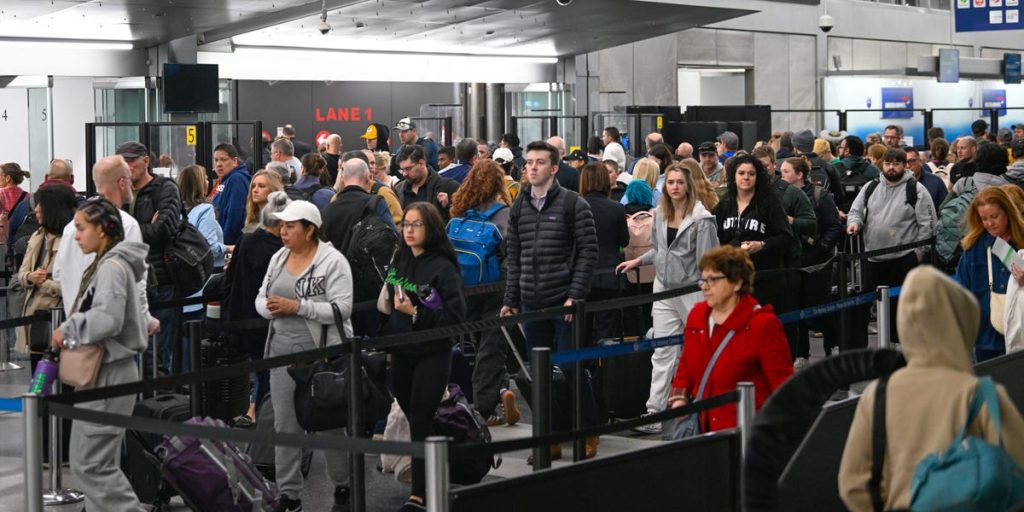
Air travelers across the United States face varying security checkpoint wait times, with some airports experiencing significantly longer delays than others. Understanding which airports typically have extended TSA lines and knowing how to check current wait times can help passengers plan their journeys more effectively.
Airports Known for Extended Security Wait Times
Several major airports consistently report longer-than-average security screening delays. These facilities often handle high passenger volumes, particularly during peak travel seasons and busy periods throughout the day.
Large hub airports serving major metropolitan areas tend to experience the most significant bottlenecks at security checkpoints. Factors contributing to these delays include passenger volume, staffing levels, checkpoint configuration, and the time of day.
Methods for Checking Current Wait Times
Travelers have multiple options for monitoring real-time security checkpoint wait times before arriving at the airport. Many airports now provide live updates through their official websites and mobile applications.
The Transportation Security Administration has developed digital tools that allow passengers to view estimated wait times at participating airports. These systems use real-time data to provide approximate screening times at various checkpoints.
Planning Strategies for Efficient Travel
Smart travelers can minimize their time in security lines by utilizing several strategic approaches. Checking wait times in advance allows for better departure planning and reduces stress associated with potential delays.
Airport mobile applications often include features beyond wait time monitoring, such as checkpoint locations, terminal maps, and security guidelines. These tools can help passengers choose the most efficient routes through the airport.
Peak Travel Periods and Timing Considerations
Security wait times fluctuate significantly based on time of day, day of the week, and seasonal travel patterns. Morning hours typically see higher volumes as business travelers catch early flights, while holiday periods can create unprecedented delays.
Understanding these patterns enables travelers to adjust their schedules accordingly, potentially avoiding the longest wait times by choosing off-peak travel hours when possible.