
Namibia Secures Emergency Fuel Supply Contract to Shield Economy from Regional Conflicts
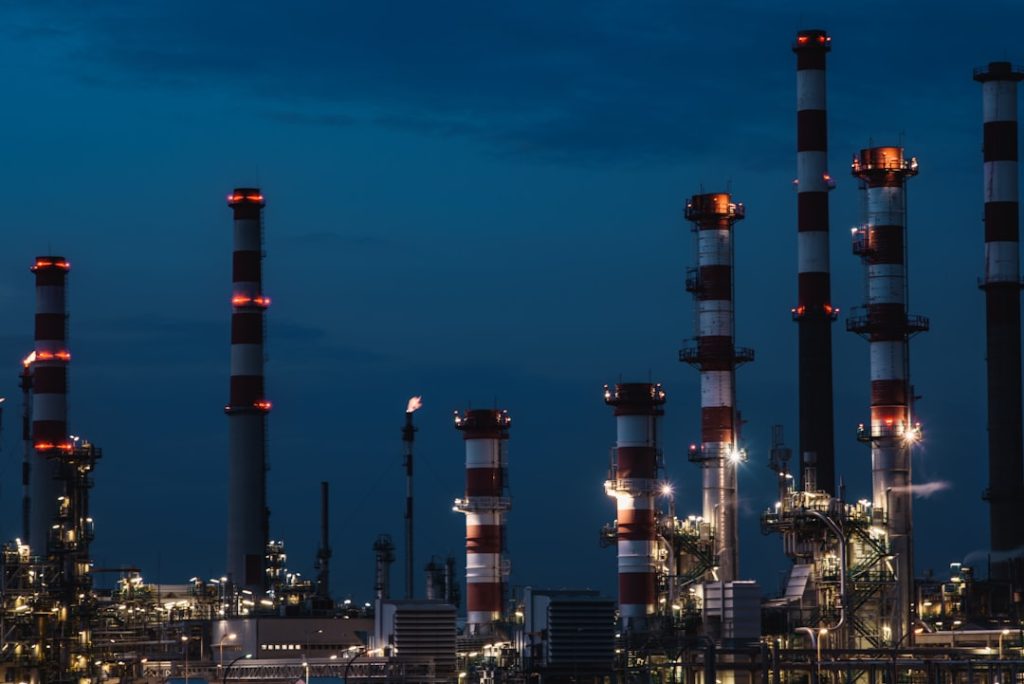
In a strategic move to protect its domestic market from volatile oil prices, Namibia has finalized an emergency fuel procurement agreement spanning three months through September. This decision represents a pragmatic approach to energy security that other developing nations should seriously consider.
The southern African nation’s government has partnered with a major international trading house to ensure stable fuel supplies during a period of heightened geopolitical tensions. This arrangement specifically aims to buffer Namibian consumers from price volatility stemming from Middle Eastern conflicts that have disrupted global energy markets.

I believe this type of emergency contracting is exactly what smaller economies need to implement when facing external shocks. Namibia’s leadership deserves credit for taking proactive steps rather than simply hoping market forces would work in their favor. Too often, governments wait until crisis hits before acting, leaving citizens to bear the brunt of price spikes.
This arrangement will primarily benefit ordinary Namibians who rely on affordable fuel for transportation and daily life. Small businesses, particularly those in logistics and agriculture, should see immediate relief from what could have been devastating cost increases. However, this deal likely won’t help larger industrial operations that may have already locked in their own supply contracts at higher rates.

The three-month timeframe suggests officials expect regional tensions to either stabilize or that they’ll have developed alternative supply strategies by then. While this short-term solution provides breathing room, it highlights the vulnerability that resource-dependent economies face in today’s interconnected world.
What matters most here isn’t just the immediate price protection, but the precedent this sets for crisis management. Other African nations watching fuel costs spiral should take note of Namibia’s decisive action. The ability to quickly negotiate emergency supply deals could become increasingly valuable as global energy markets remain unpredictable.
For international traders and energy companies, these emergency contracts represent both opportunity and responsibility. While they can profit from providing stability during crisis periods, they also play a crucial role in preventing economic collapse in vulnerable markets.
Photo by Maksym Kaharlytskyi on Unsplash
Photo by Richard Bell on Unsplash