
When Storm Damage Becomes a Legal Nightmare: Property Line Disputes Over Fallen Trees
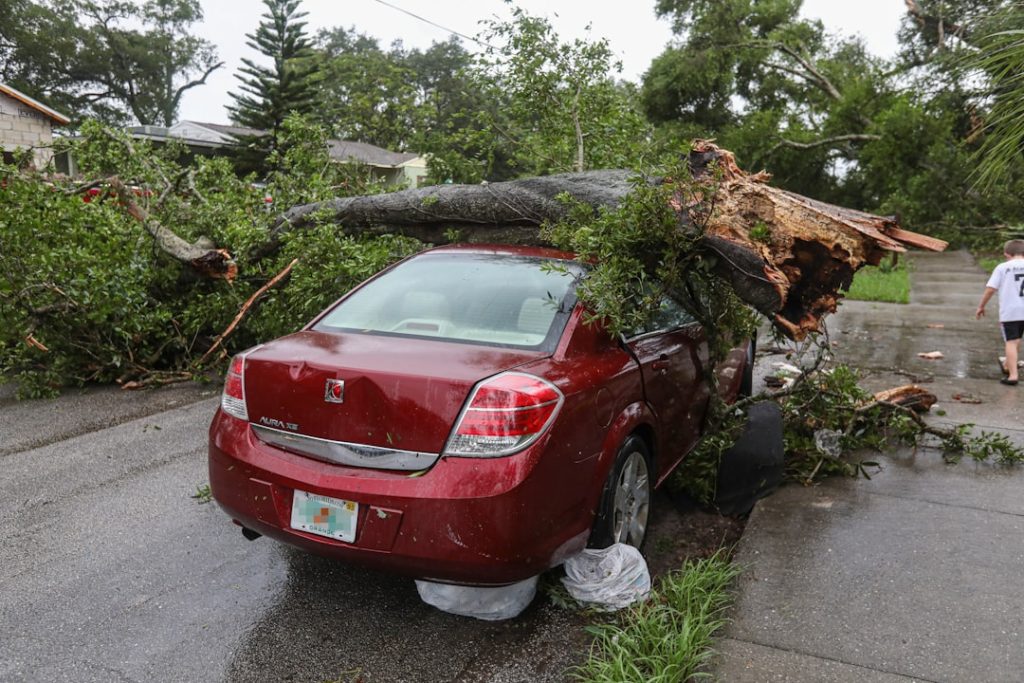
Property disputes involving fallen trees represent one of the most contentious and expensive conflicts homeowners can face, and frankly, most people are completely unprepared for the legal complexities involved. When severe weather strikes and a tree crashes from one property onto another, the aftermath often proves more damaging than the storm itself.
I think what makes these situations particularly frustrating is how quickly neighborly relationships deteriorate when thousands of dollars in damages are at stake. In a recent case that exemplifies this problem, property damage estimates reached approximately $6,000 or more after a tree fell during a storm, but the real costs extended far beyond the initial destruction.
What many homeowners don’t realize is that tree-related property damage operates under a complex web of legal principles that vary significantly by jurisdiction. The concept of liability isn’t as straightforward as many assume, and this is where things get messy fast.
Who Really Bears the Financial Burden?
The traditional legal doctrine suggests that if a healthy tree falls due to an “act of God” like severe weather, the property owner where the tree lands typically bears responsibility for cleanup and repairs. However, this changes dramatically if the tree was diseased, damaged, or if the neighbor had been warned about potential hazards.

In my opinion, this is where most disputes escalate unnecessarily. Property owners often assume their neighbor’s insurance should cover everything, while the neighbor believes they shouldn’t be held responsible for natural disasters. Both perspectives have merit, but neither reflects the legal reality.
The Insurance Maze
Homeowners insurance policies generally cover damage to your own property regardless of where the tree originated, but they rarely cover removal of trees that fall onto your land from neighboring properties. This gap in coverage catches many people off guard and explains why these disputes become so heated.
I believe this insurance structure is fundamentally flawed because it creates adversarial situations between neighbors who should be working together during difficult times. The current system essentially forces property owners to fight each other rather than addressing the real issue: inadequate coverage for natural disasters.
Prevention Strategies That Actually Work
For property owners with large trees near boundary lines, regular professional inspections are essential. This isn’t just about being a good neighbor – it’s about protecting yourself legally. If you know a tree poses a risk and fail to address it, you could face significant liability.

Documentation becomes crucial in these situations. Property owners should maintain records of tree maintenance, professional assessments, and any communications with neighbors about potential hazards. This paperwork often determines who ultimately pays for damages.
Who Benefits from Understanding These Rules
Homeowners with mature trees on their property need to understand these principles most urgently. If you have large trees near property lines, you’re potentially exposed to significant financial liability. Suburban property owners face the highest risk because urban areas often have clearer regulations while rural properties typically have more space between structures.
Real estate investors should also pay attention to these issues when evaluating properties. A home with large trees positioned near neighboring structures represents a hidden liability that could result in expensive legal battles and insurance claims.
However, renters and apartment dwellers generally don’t need to worry about these complications since property management companies and landlords handle tree-related issues.
The Bigger Picture
These tree disputes reflect a broader problem with how we handle property rights and natural disasters in residential areas. The current legal framework creates unnecessary conflict and leaves too many homeowners vulnerable to unexpected expenses.
In my view, communities would benefit from clearer regulations and better insurance products that address these gaps. Until that happens, property owners must take proactive steps to protect themselves and maintain good relationships with their neighbors, because when storms hit, cooperation becomes far more valuable than litigation.
Photo by Mick Haupt on Unsplash
Photo by Clay Banks on Unsplash