
Ice Pop Recall Highlights Growing Food Allergen Safety Concerns
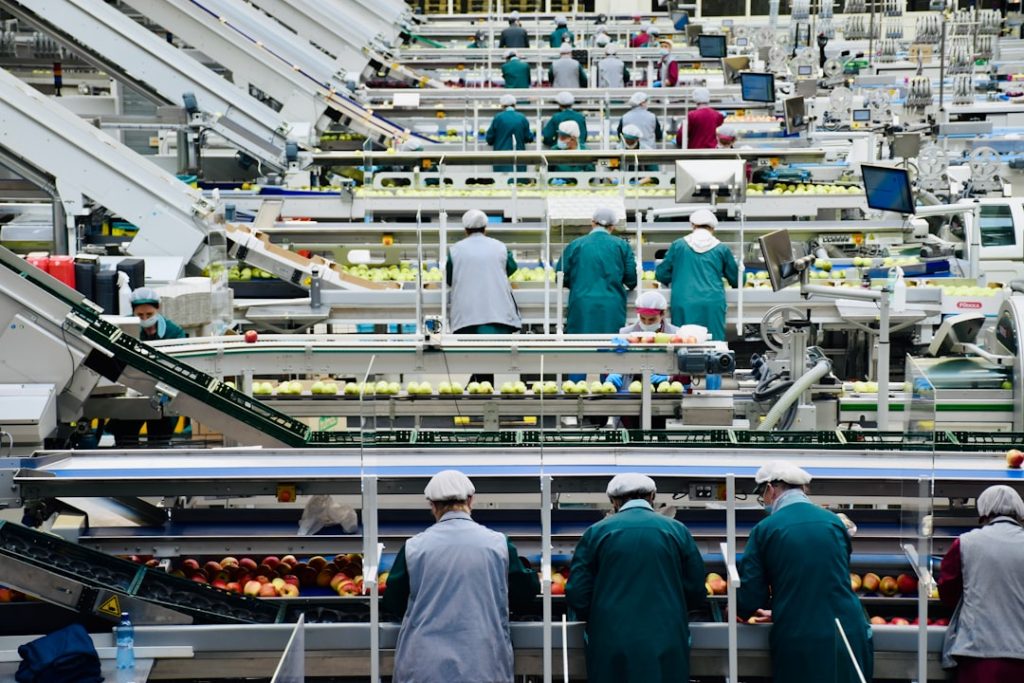
A recent food safety incident involving frozen treats has once again brought attention to the critical issue of undeclared allergens in consumer products. De Dio’s Ice Pops II LLC initiated a voluntary recall of their 3.7-ounce popsicle packages after federal inspectors discovered manufacturing processes that failed to prevent cross-contamination with several potentially dangerous ingredients.
The recalled products, marketed under the D’Dioses Fruit Pops brand, may contain milk, artificial food colorings (yellow #5 and red #40), and tree nuts including pecans and pistachios—none of which appeared on product labels. This oversight creates a serious health hazard for individuals with food allergies or sensitivities to these substances.
What makes this recall particularly concerning is the scope of potential exposure. The affected products were distributed across multiple northeastern states including Connecticut, New Jersey, New York, and Pennsylvania, reaching numerous grocery stores and countless consumers. The variety of flavors involved—ranging from traditional options like vanilla and cookies and cream to more exotic choices like mamey, guayaba, and tamarindo—suggests this wasn’t an isolated production error but a systemic problem with allergen control protocols.

From my perspective, this incident underscores a troubling trend in food manufacturing where companies seem to prioritize speed and cost-cutting over rigorous safety measures. The fact that it took an FDA inspection to uncover these issues rather than internal quality control processes is particularly alarming. For families dealing with food allergies, this kind of oversight isn’t just inconvenient—it’s potentially fatal.
Who Should Be Most Concerned
This recall should serve as a wake-up call for several groups. Parents of children with food allergies need to be especially vigilant, as frozen treats are popular with kids who may not fully understand the risks of consuming products with undeclared allergens. The Hispanic and Latino communities, who are likely the primary consumers of these culturally-specific flavors, deserve better protection and transparency from manufacturers serving their dietary preferences.
However, I believe this issue extends beyond just those with known allergies. Anyone who values food safety and transparent labeling should be concerned about the broader implications of such manufacturing failures. When companies can’t properly track and label basic ingredients, it raises questions about what other safety protocols might be compromised.

The Broader Pattern of Food Safety Failures
This ice pop recall isn’t occurring in isolation—it’s part of a disturbing pattern of food safety issues that have emerged in recent months. Similar incidents involving soup products and noodle packages have highlighted the same fundamental problem: inadequate allergen control in food manufacturing facilities.
What I find most troubling is that these recalls often happen after products have already reached consumers, rather than being caught during production. This reactive rather than proactive approach to food safety puts the burden on consumers to stay informed about recalls and check their purchases—a system that inevitably fails those who are most vulnerable.
Industry Accountability and Consumer Protection
The food manufacturing industry needs to fundamentally reassess its approach to allergen management. While companies like De Dio’s Ice Pops claim to have implemented corrective measures following FDA guidance, the question remains: why weren’t these protocols in place from the beginning? The cost of proper allergen control systems is minimal compared to the potential legal, financial, and reputational damage from recalls—not to mention the human cost of allergic reactions.
For consumers, this situation highlights the importance of remaining vigilant about food purchases, especially when dealing with products from smaller manufacturers who may lack the robust quality control systems of larger companies. While no illnesses have been reported in connection with these ice pops, the potential for serious harm was real and significant.
Moving forward, I believe regulatory agencies need to implement more stringent pre-market inspections and require more comprehensive allergen testing protocols. The current system, which relies heavily on voluntary compliance and post-incident corrections, simply isn’t adequate to protect public health. Until meaningful reforms are implemented, consumers—particularly those with food allergies—will continue to bear an unfair burden of risk when making everyday food purchases.
Photo by Arno Senoner on Unsplash
Photo by Walter Otto on Unsplash