
Italian Designer’s Quarter-Century Journey from Village Artisan to Papal Couturier
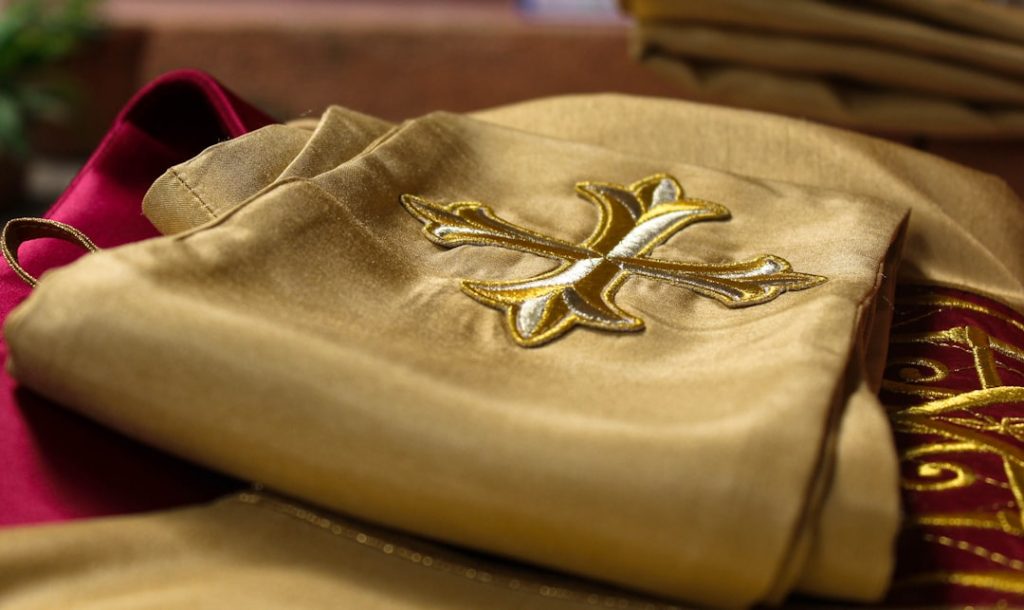
The intersection of faith, artistry, and fashion creates fascinating career trajectories, and few exemplify this better than Filippo Sorcinelli’s remarkable 25-year evolution from a small-town craftsman to the preferred designer for the highest echelons of Catholic leadership. What strikes me most about Sorcinelli’s story is how it challenges conventional notions of what constitutes a successful fashion career in our celebrity-obsessed industry.
Based in the modest Italian village of Mondolfo, Sorcinelli has carved out an extraordinarily specialized niche creating ceremonial vestments and mitres for papal figures, including his current work with the Chicago-born pontiff. This isn’t your typical runway-to-red-carpet success story, and frankly, that’s what makes it so compelling. While most designers chase Instagram followers and celebrity endorsements, Sorcinelli has built his reputation on discretion, spiritual reverence, and institutional respect.
The Art of Sacred Fashion Design
What fascinates me about Sorcinelli’s approach is his understanding that designing for religious ceremonies requires abandoning personal ego entirely. As he puts it, this work “requires an order that is higher than taste, fashion and personal will.” This philosophy would benefit many contemporary designers who seem more interested in making statements than serving their clients’ actual needs.

The technical aspects of his work—considering embroidery, color symbolism, and liturgical requirements—represent a level of research and cultural sensitivity that’s increasingly rare in fashion. This isn’t about creating the next viral moment; it’s about honoring centuries-old traditions while ensuring functionality for sacred ceremonies.
A Renaissance Artist for Modern Times
Sorcinelli’s multidisciplinary talents extend beyond fashion into fragrance creation through his company UNUM and musical performance as an organist. This Renaissance approach to creativity is something I believe more artists should embrace rather than the narrow specialization that dominates today’s creative industries. His ability to work across sensory experiences—visual, olfactory, and auditory—creates a more holistic artistic practice.
His identity as an openly gay Catholic artist working within traditional church structures presents interesting dynamics around authenticity and acceptance. Rather than viewing this as contradictory, Sorcinelli frames it as freedom, which I find refreshingly mature compared to the polarized discourse that often surrounds such topics.

Institutional Discretion in a Transparent World
In our age of social media oversharing, Sorcinelli’s commitment to discretion regarding his papal commissions is both professionally appropriate and personally admirable. His refusal to reveal details about upcoming ceremonial garments for the pontiff’s Spanish tour demonstrates the kind of professional integrity that builds lasting client relationships.
This approach would serve many designers well, particularly those working with high-profile clients who value privacy over publicity. The fashion industry’s obsession with immediate gratification and constant content creation could learn from Sorcinelli’s patient, respectful methodology.
Who Benefits from This Approach
Sorcinelli’s career model is particularly relevant for designers interested in specialized markets, cultural preservation, or working with institutional clients. It’s also valuable for artists seeking to integrate their personal beliefs with their professional practice without compromising either.
However, this path isn’t suitable for designers seeking rapid commercial success or those uncomfortable with extensive research and cultural sensitivity requirements. The level of discretion and institutional respect required would frustrate creators who thrive on public recognition and social media engagement.
His recent comments connecting with papal concerns about artificial intelligence demonstrate how traditional craftspeople can remain relevant in technological discussions. This intersection of ancient practices with contemporary concerns offers a template for how heritage industries can engage with modern challenges without losing their essential character.
Photo by Christian Jimenez on Unsplash
Photo by Erik Mclean on Unsplash
Photo by Karl Raymund Catabas on Unsplash