
The Hidden Federal Program That Keeps Small-Town Airports Alive
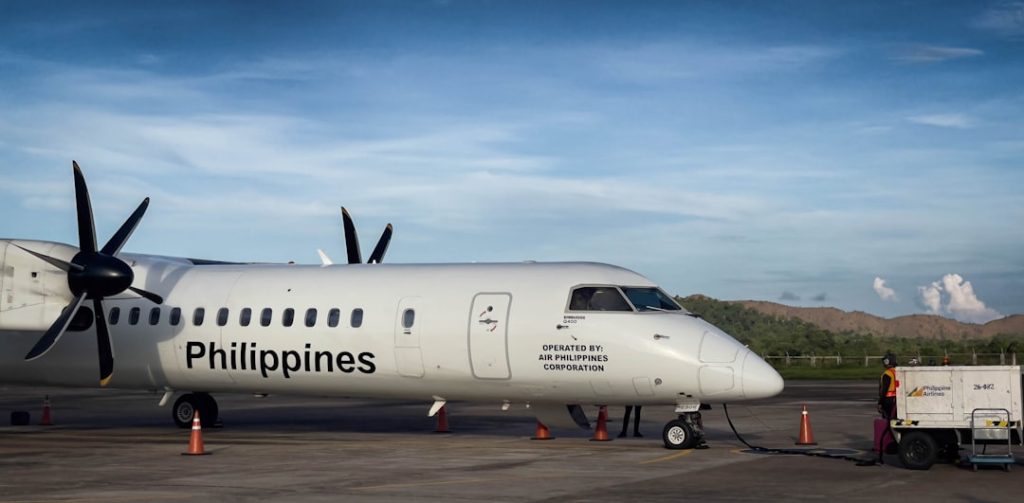
When I boarded that regional jet bound for a small Mississippi airport, I couldn’t help but reflect on the extraordinary economics behind my journey. What most passengers don’t realize is that taxpayers subsidize millions of dollars annually to maintain air service to communities that the free market would otherwise abandon.
This isn’t some obscure government waste—it’s a deliberate policy choice that reveals fascinating tensions between market efficiency and national connectivity. And frankly, I think it’s one of the more defensible uses of federal dollars, even if the optics make fiscal conservatives squirm.
The Regulatory Legacy That Created This System
Before 1978, American aviation operated under a completely different philosophy. The Civil Aeronautics Board controlled virtually every aspect of commercial flight—routes, pricing, competition levels. This system guaranteed service to smaller communities but kept fares artificially high and stifled innovation.
The deregulation revolution changed everything. Airlines could finally compete on price and choose their own routes based on profitability rather than government mandate. But here’s where it gets interesting: lawmakers weren’t naive about the consequences. They knew that pure market forces would strand dozens of communities that had grown dependent on subsidized air service.
The Essential Air Service program emerged as a political compromise—and in my view, it was a smart one. Rather than leaving these communities completely isolated, Congress created a targeted subsidy system that maintains basic connectivity while embracing market principles everywhere else.
How the Subsidy System Actually Works
The mechanics are more sophisticated than critics typically acknowledge. The Department of Transportation runs competitive bidding processes where airlines propose service levels and subsidy requirements. There are passenger minimums to prevent funding ghost flights, and per-passenger subsidy caps to maintain some fiscal discipline.
For communities within 210 miles of major airports, the subsidy cap is $200 per passenger. More remote locations face higher caps, reflecting the reality that isolation increases costs. Airlines must demonstrate reliability, marketing partnerships, and community support to win contracts.

What I find particularly clever is the competitive element. If a second airline enters a subsidized market independently, the subsidy disappears entirely. This creates real incentives for routes to eventually become self-sustaining.
Take the Hattiesburg route I experienced: the winning airline projected annual losses of $5.5 million on projected revenues of $2.7 million. The subsidy request covers those losses plus a modest profit margin. When passenger volumes exceed projections—which they often do—the per-passenger subsidy naturally decreases.
The Real Question: Is This Worth It?
Here’s where I part ways with pure free-market advocates. Yes, driving 100 miles to a major airport isn’t the end of the world. But that perspective misses several crucial points that make this program more valuable than its critics suggest.
First, we’re not talking about tiny hamlets. Many subsidized communities serve populations of 100,000 or more—substantial enough to generate legitimate demand but not quite large enough for profitable service. These aren’t vanity projects for remote villages.
Second, the economic development implications are real. Businesses absolutely factor air connectivity into location decisions. Universities recruiting faculty, military installations coordinating with headquarters, medical facilities serving regional populations—all benefit from reliable air service in ways that ripple through local economies.
Third, the tourism angle matters more than people realize. I discovered this firsthand exploring Hattiesburg’s surprisingly rich cultural offerings. Without convenient air access, these economic opportunities simply wouldn’t exist.
The program serves 35 states plus Puerto Rico, suggesting broad geographic relevance rather than narrow regional favoritism. And the political support remains strong precisely because constituents recognize the tangible benefits.

Who Benefits and Who Doesn’t
This program clearly benefits smaller communities that would otherwise lose air service entirely. Business travelers, families with medical needs, students, and tourists all gain from maintained connectivity. Regional economic development gets a significant boost.
But let’s be honest about the costs. Urban taxpayers are subsidizing rural and small-town air travel they’ll never use. The fiscal impact isn’t trivial—we’re talking hundreds of millions annually across all subsidized routes.
Airlines also benefit, though perhaps not as much as critics suggest. These contracts often operate on thin margins with strict performance requirements. It’s steady revenue, but hardly a windfall.
The real losers might be alternative transportation modes. Subsidized flights compete with bus services, passenger rail, and even private aviation that operate without federal support.
The Broader Policy Implications
What fascinates me most is how this program reflects deeper questions about market failures and government intervention. Pure market advocates see wasteful spending on economically unviable routes. But infrastructure connectivity has always involved cross-subsidization—rural highways, postal service, telecommunications, and electrical grids all follow similar principles.
The Essential Air Service program represents a middle path that acknowledges both market efficiency and national connectivity needs. It’s not perfect, but it’s more thoughtful than either complete deregulation or comprehensive government control.
For travelers willing to look beyond major metropolitan areas, these subsidized routes open access to authentic American communities that might otherwise remain isolated. That cultural and economic value may not show up in spreadsheets, but it’s real nonetheless.
Photo by Bernd 📷 Dittrich on Unsplash
Photo by Rama Krushna Behera on Unsplash
Photo by David Syphers on Unsplash