
Understanding Modern Cruise Ship Accommodations: A Complete Guide to Premium Ocean Vessel Cabins
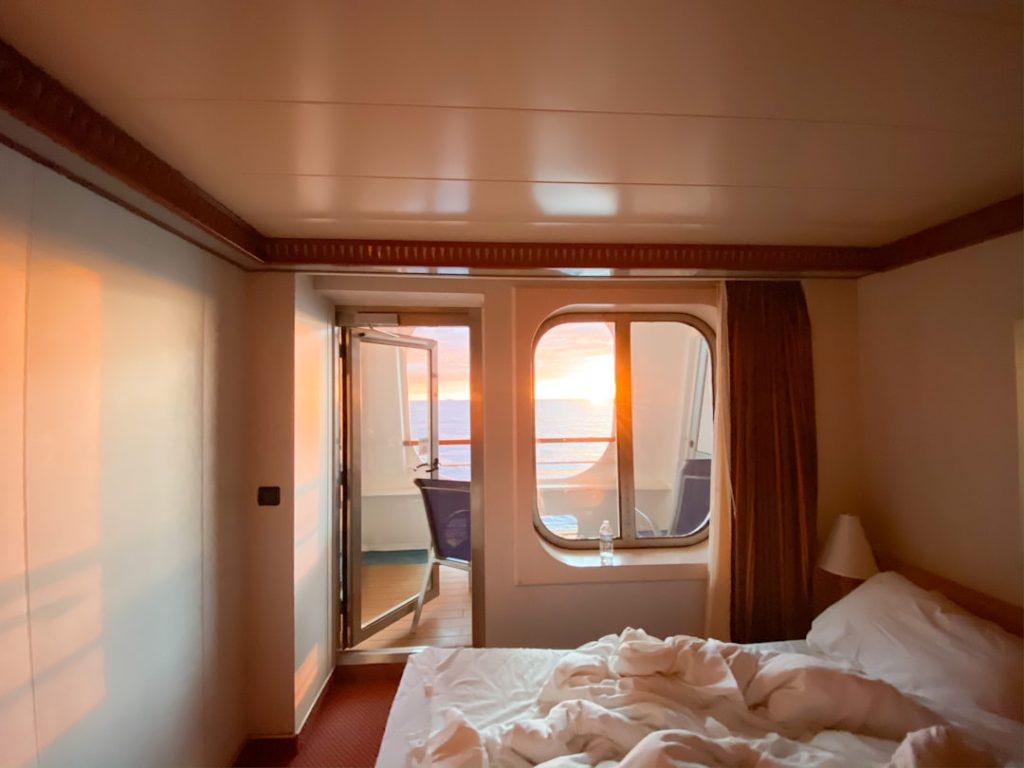
When selecting accommodations for your next cruise vacation, the array of cabin options can feel overwhelming. However, some cruise lines have simplified this process by focusing on premium offerings that eliminate the guesswork from booking decisions.
I believe the trend toward all-balcony ships represents the future of cruising, and it’s particularly beneficial for travelers who value outdoor space and natural light. This approach works exceptionally well for mature travelers who prioritize comfort over budget constraints, though it may not suit younger cruisers or families looking for more economical options.
The Evolution of Cruise Ship Accommodations
Traditional cruise vessels typically offer four main accommodation types: interior cabins without windows, ocean-view rooms with portholes, balcony cabins, and luxury suites. However, the industry has seen a shift toward premium-focused fleets where every passenger enjoys private outdoor space.
This all-balcony concept particularly appeals to discerning travelers who refuse to compromise on their vacation experience. In my opinion, this represents excellent value for money when you consider that even the most basic accommodations include features that would be premium upgrades on other vessels.
The simplified cabin structure typically includes just six categories across the entire fleet, making selection much more straightforward than competitors who offer dozens of confusing subcategories. This streamlined approach benefits travelers who want clarity in their booking process without sacrificing luxury amenities.
Standard Balcony Accommodations
The entry-level balcony cabins measure approximately 270 square feet, which I consider quite generous by industry standards. These rooms feature modern Scandinavian-inspired design elements that create a serene, residential atmosphere rather than the typical cruise ship aesthetic.
What sets these accommodations apart is the thoughtful attention to functionality. Features like built-in reading lights in headboards, ample charging stations, and heated bathroom floors demonstrate a clear understanding of passenger needs. I particularly appreciate the simplified remote controls designed with larger buttons – a considerate touch for the mature demographic these ships primarily serve.

The three-tier balcony system works well for different traveler priorities:
- Basic veranda rooms offer excellent value for those who simply want outdoor space
- Deluxe veranda accommodations add priority booking privileges and premium amenities
- Penthouse veranda rooms provide additional square footage and enhanced services
This tiered approach allows passengers to choose their level of luxury without navigating complex categories. The enhanced amenities in higher tiers – like priority restaurant reservations and complimentary alcoholic beverages – provide genuine value for travelers who plan to use these services extensively.
Premium Suite Options
The suite offerings represent where these ships truly excel, particularly for travelers celebrating special occasions or those who simply prefer more space. The junior suites at 405 square feet offer a substantial upgrade with separate living areas, while the explorer suites ranging from 757 to 1,163 square feet provide genuinely luxurious accommodations.
I find the owner’s suites particularly impressive at nearly 1,500 square feet. These aren’t just oversized cabins but rather sophisticated residential-style apartments complete with saunas and boardrooms. However, at this price point, travelers might consider whether a luxury land-based resort might offer better value.
The suite amenities justify the premium pricing for travelers who value convenience and exclusivity. Priority reservations, complimentary laundry services, and enhanced dining privileges create a truly elevated experience that I believe is worth the investment for special occasions.
River Ship Accommodations
River cruising presents unique space constraints, making balcony cabins even more valuable. The majority of modern river vessels offer balcony accommodations, though space limitations mean some cabins feature French balconies rather than full step-out spaces.
While French balconies don’t provide the same outdoor living experience as full balconies, they still offer the crucial connection to the outdoors that I consider essential for river cruising. The ability to open your cabin to fresh air and scenic views significantly enhances the intimate river cruise experience.

Design Philosophy and Passenger Experience
The Scandinavian design aesthetic creates accommodations that feel more like upscale hotel rooms than traditional cruise cabins. The neutral color palette, natural materials, and minimalist approach appeal to travelers who prefer understated elegance over flashy décor.
This design philosophy particularly suits mature travelers who value sophistication and functionality. The heated bathroom floors, premium bedding, and thoughtful storage solutions demonstrate attention to comfort that I believe justifies the premium positioning of these vessels.
However, families with children or younger travelers seeking entertainment-focused cruising might find these accommodations too sedate. The emphasis on tranquility and sophistication may not appeal to those looking for a more energetic vacation atmosphere.
Value Proposition and Target Market
These all-balcony ships clearly target affluent travelers aged 55 and above who prioritize comfort, quality, and convenience over budget considerations. The simplified booking process, premium amenities, and sophisticated atmosphere create an experience that justifies higher pricing for this demographic.
I believe this approach works exceptionally well for empty nesters, retirees, and couples celebrating anniversaries who want a refined cruise experience without the crowds and chaos of family-oriented vessels. The adult-only atmosphere and cultural enrichment focus appeal to educated, well-traveled passengers.
However, this premium positioning excludes budget-conscious travelers, families with children, and younger adults who might prefer more diverse cabin options and lower entry-level pricing. The lack of interior cabins eliminates the traditional cruise ship value proposition that has historically attracted first-time cruisers.
For travelers who match the target demographic and budget, these accommodations offer excellent value through their combination of space, amenities, and service level. The simplified booking process alone saves considerable time and stress compared to navigating complex cabin categories on other cruise lines.
Photo by Kaitlin Thomas on Unsplash