Tech Giant Scales Back AI Integration in Operating System Applications
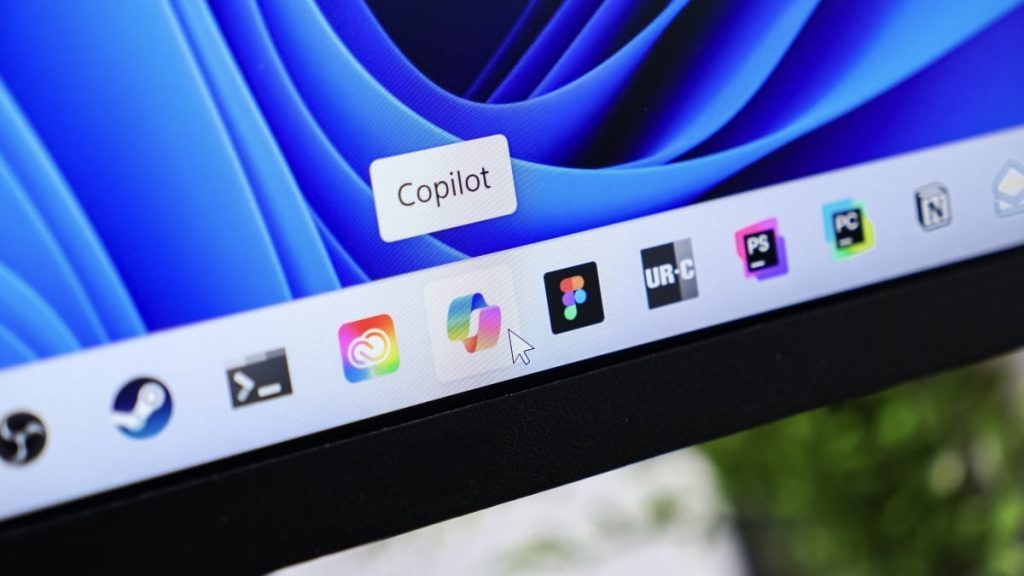
A major technology company has begun reversing course on its aggressive artificial intelligence integration strategy, removing prominent AI features from several core applications in its latest operating system. This move represents a significant shift for a corporation that has been among the most vocal advocates for generative AI technology across its software ecosystem.
Recent insider builds of the company’s note-taking application no longer feature the conspicuous AI assistant button that was previously integrated into the interface. Instead, developers have implemented a more subdued “writing tools” menu that houses similar functionality. The screenshot utility has undergone comparable changes, with the AI integration button disappearing from the capture interface.
Industry observers note this represents the beginning of a broader pullback from what the company’s leadership described as “unnecessary” AI features. The planned removals are expected to extend to the photo management application and system widgets in upcoming releases, according to internal communications from the company’s devices division leadership.
The strategic retreat appears to focus primarily on user interface elements rather than underlying functionality. The AI-powered writing assistance tools remain accessible through redesigned menus, allowing users who want these capabilities to find them while making it easier for others to avoid them entirely. This approach suggests the company has recognized that its previous “front-and-center” AI integration strategy has not resonated with users as intended.
The situation becomes more complex when considering hardware implementations. New premium laptops featuring dedicated AI assistant keys present a particular challenge, as these physical buttons cannot be easily removed through software updates. The inclusion of such hardware seemed premature given uncertain user adoption rates, though users can reassign these keys to perform different functions if they prefer not to engage with AI features.
This development highlights the ongoing tension between technology companies’ enthusiasm for artificial intelligence and actual user demand for these features. The pullback suggests that even the most AI-forward companies are beginning to acknowledge the need for more measured integration approaches that respect user preferences and workflow habits.