Ultimate Guide to Selecting the Perfect Chef’s Knife for Your Kitchen (2026)
A chef’s knife stands among the most essential kitchen tools for both novice home cooks and seasoned culinary professionals, ranking alongside reliable cookware and quality cutting boards. However, determining which chef’s knife deserves the title of “best” proves far more complex than it initially appears.
The reality is that finding the ideal chef’s knife depends heavily on individual factors including your culinary experience, maintenance commitment, and even hand size. Numerous considerations come into play, such as blade geometry, dimensions, and materials used for both the cutting edge and handle. You must decide between Japanese and Western knife styles, and establish your budget range – whether you’re prepared to invest hundreds in a premium model or prefer an affordable option that may require replacement after several years of use.
Top Chef’s Knife Recommendations
- Best Overall Performance: Mac Professional Hollow Edge 8-inch Chef’s Knife
- Excellent Alternative: Shun Classic 8-inch Chef’s Knife
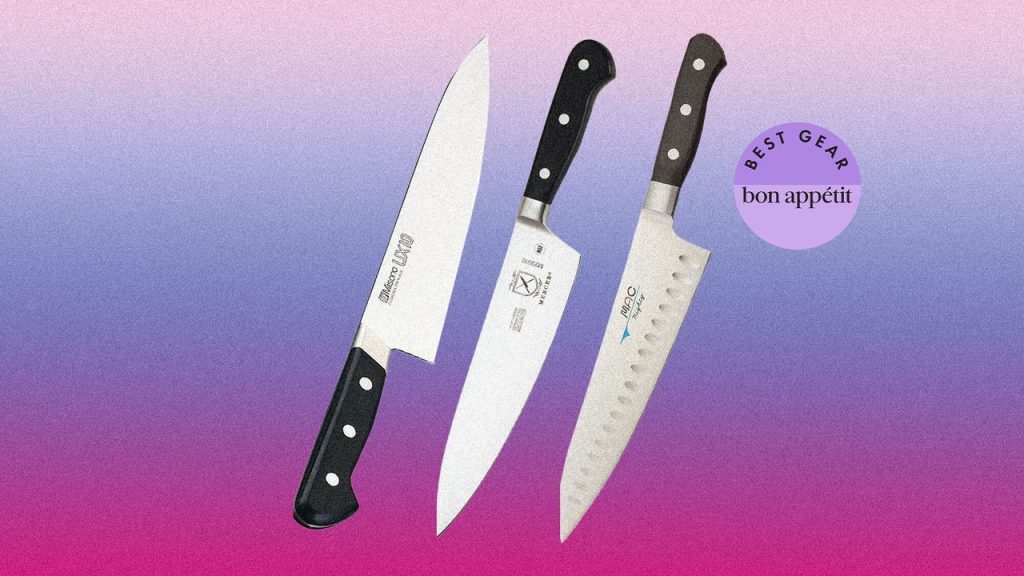
- Best Value Option: Mercer Culinary Renaissance Chef’s Knife
- Personal Favorite: Hedley & Bennett Chef’s Knife
- Premium Choice for Experienced Cooks: Misono UX10 Chef’s Knife
- Ultimate Comfort and Durability: Benchmade Chef Knife
Outstanding Overall Choice: Mac Professional Hollow Edge 8-inch Chef’s Knife
This exceptional knife from Japanese manufacturer Mac consistently excels across all performance categories. It delivers razor-sharp precision for effortless slicing, maintains lightweight maneuverability for nimble cutting techniques, and provides comfortable handling for extended food preparation sessions. The knife offers excellent value considering its superior quality – with proper care, a Mac knife will serve you reliably for years.
Despite its Japanese origins, this represents a hybrid-style design that combines the finest attributes of both Western and Japanese knife traditions. The blade shape strikes a perfect balance between the curved profile of Western knives and the straighter edge of Japanese designs. Its molybdenum high-carbon steel construction achieves an ideal compromise between the softer, more durable steel typical of Western knives and the sharper, more brittle steel found in traditional Japanese blades.
The result is a highly versatile knife with exceptional sharpness. Featuring a 50/50 double bevel design (both sides sharpened to identical angles), this knife remains relatively easy to maintain. The hollow edge design incorporates dimples along both sides of the blade, helping prevent food from sticking during slicing.
Exceptional Alternative: Shun Classic 8-inch Chef’s Knife
The Shun Classic chef’s knife performs like a dream in kitchen applications. Its ultra-sharp edge glides through onions without resistance, while the lightweight blade tackles tough winter squash with minimal effort required. Like the Mac, it features hybrid-style construction with a Western-influenced curved belly and traditional Japanese handle design.
This knife stands out with its impressive height of nearly two inches, making it excellent for rocking motions when mincing herbs while remaining comfortable for various grip styles. The distinctive Damascus steel pattern showcases all 68 layers of steel in an attractive wavy design, adding visual appeal while providing enhanced strength and corrosion resistance.
Best Budget Selection: Mercer Culinary Renaissance 8-inch Chef’s Knife
For its price point (typically under $60), the Mercer Culinary Renaissance offers remarkable value with high-carbon steel construction, full-tang design, and quality handle materials. It performed admirably in cutting tests, holding its edge well throughout testing and sharpening effectively between uses. The blade achieves perfect balance at the bolster, making it comfortable and effective for repeated slicing through even tough vegetables.
Testing Methodology
Our comprehensive evaluation process included several key assessments:
Sharpness Testing
We evaluated initial sharpness by slicing paper straight from the package, checking for any tearing or snagging that would indicate dullness.
Cutting Performance
We tested each knife’s ability to handle various ingredients including winter squash, onions, tomatoes, and peppers, assessing how easily each blade cut through tough skins and delicate flesh.
Edge Retention
After 40 rocking cuts against a wooden cutting board to simulate regular use, we repeated the paper test to evaluate how well each edge maintained its sharpness.
Comfort and Construction
We thoroughly examined each knife’s balance, handle ergonomics, and overall construction quality, noting any rough edges or design flaws that could affect performance or safety.
Essential Knife Characteristics
Sharpness
Superior knives slice cleanly through diverse ingredients from delicate tomatoes to thick winter squash with minimal effort, while also cutting paper without tearing or catching.
Construction Quality
Forged knives (shaped from single steel pieces) typically offer better construction than stamped versions (punched from steel sheets). Full-tang designs with metal extending through the entire handle provide superior balance compared to partial-tang alternatives.
Comfort
Quality chef’s knives accommodate multiple grip styles and allow extended use without causing hand fatigue or discomfort. Proper weight distribution between blade and handle facilitates easier cutting techniques.
Additional Recommended Options
Under $100
The Victorinox Swiss Classic offers solid performance at an affordable price point, though its plastic handle lacks aesthetic appeal. The Misen Chef’s Knife provides good hybrid design and comfortable handling, though edge retention doesn’t match premium options.
$100-$200 Range
The Tojiro DP Gyuto delivers exceptional sharpness with traditional Japanese gyuto geometry, while the Global Chef’s Knife offers unique weight distribution through its sand-filled hollow handle.
Premium Options ($200+)
The Miyabi Kaizen features beautiful Damascus patterning with excellent balance, while the Middleton Made Echo represents artisan craftsmanship with stunning dymalux handles and forged stainless steel blades.
Frequently Asked Questions
Western vs. Japanese Knife Styles
Western knives typically feature curved blades suited for rocking motions, double-beveled edges, and softer steel requiring more frequent sharpening but offering greater durability. Japanese knives traditionally use harder steel that holds edges longer, straighter blade profiles for slicing motions, and may feature single-bevel designs requiring more specialized maintenance.
Proper Sharpening Techniques
Maintain your investment with regular honing using a honing rod and periodic sharpening with quality sharpening systems. Professional sharpening should be limited to once yearly maximum, as it removes more steel than home maintenance.
Steel Types Explained
High-carbon stainless steel offers the best balance of sharpness retention and corrosion resistance for most home cooks. Pure carbon steel provides superior sharpness but requires more maintenance, while standard stainless steel prioritizes durability over cutting performance.