Photography Pioneer’s Strategic Revival After Near-Collapse Shows Promise
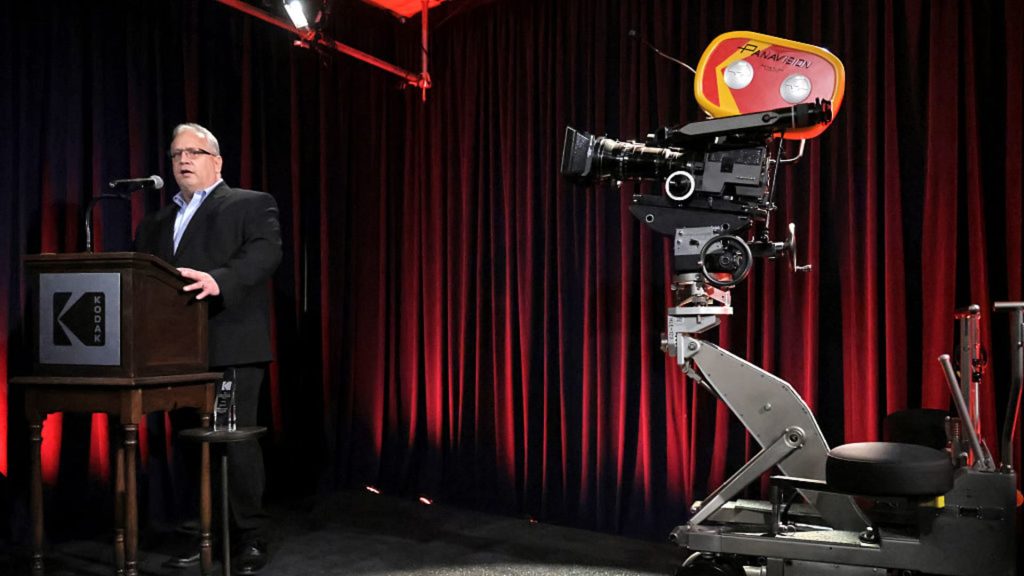
When Jim Continenza stepped into his role as executive chairman of the iconic photography company in 2019, an unexpected phone call from renowned filmmaker Christopher Nolan would reshape his entire turnaround strategy. The acclaimed director behind blockbusters like “Inception” and “Oppenheimer” was calling to prevent the company from shutting down a critical acetate production facility.
“He urged me not to shut it down and to reconsider,” recalled Continenza, who now serves as CEO. “His intervention made me realize the fundamental importance of film production to our company’s identity and future potential.”
This moment marked a pivotal point in what Continenza describes as his mission to rescue the storied photography technology firm from the brink of financial collapse. The self-described “turnaround specialist” recognized that film manufacturing could serve as a cornerstone for the company’s revival strategy.
The transformation appears to be gaining momentum. Recent Academy Award-winning films, including “One Battle After Another” and “Sinners,” were captured using the company’s film products, reflecting a broader industry trend toward analog photography driven by Hollywood nostalgia and younger consumer preferences.
Navigating Financial Turbulence
The journey to recovery has been fraught with challenges. The company filed for bankruptcy protection in 2012 and emerged a year later as a significantly downsized operation. More recently, management issued warnings about substantial doubts regarding the firm’s ability to continue operations as a going concern.
During the quarter when this concerning disclosure was made, the company reported a 12% decline in gross profit alongside millions in outstanding debt obligations. However, Continenza maintained that these difficulties represented temporary setbacks in a comprehensive long-term rebuilding effort.
The most recent financial results paint a more optimistic picture. Fourth-quarter gross profit reached $67 million, representing a 31% year-over-year increase. Additionally, the company successfully reduced its annual interest expenses by approximately $40 million.
Strategic Restructuring Efforts
Continenza, who previously held leadership positions at major telecommunications companies including AT&T and Lucent, selected this photography giant as his final corporate revival project before retiring from executive roles. His approach has been methodical and comprehensive.
“Our objective is creating sustainable employment for future generations,” Continenza explained. “We’re establishing a stable foundation with the necessary building blocks for systematic growth across all our operations.”
The executive has implemented sweeping organizational changes since assuming control. Approximately 90% of the company’s leadership team has been replaced, more than $400 million in debt has been eliminated, and operational priorities have been refocused on printing technologies and advanced materials and chemicals.
Addressing Digital Disruption
The company’s 2012 bankruptcy stemmed largely from its failure to adapt as digital photography revolutionized the industry. Upon emerging from bankruptcy, the firm shifted its primary focus toward commercial printing operations.
Investment analyst Ben Reitzes from Melius Research noted that digital technology’s emergence created significant obstacles for traditional photography companies. “Management initially believed film would coexist with digital cameras, expecting increased photo volume to drive printing demand,” he observed.
Stock performance reflected these struggles, with shares declining more than 35% in 2014 and continuing to fall, reaching an all-time low of $1.55 during the pandemic’s onset in March 2020.
Capitalizing on Analog Renaissance
Continenza identified a significant opportunity in the growing appeal of film photography among Generation Z consumers and the entertainment industry’s renewed interest in analog aesthetics. He believes film captures qualities that “penetrate your heart and soul” in ways digital cannot replicate.
The company has strategically invested in expanding its film production capabilities and developing products that appeal to consumers, directors, and filmmakers seeking authentic analog experiences.
“We’ve refinanced three times and properly sized our balance sheet,” Continenza noted, referring to the financial restructuring that has supported this strategic pivot.
Market Response and Future Outlook
Wall Street has responded favorably to these efforts, with the company’s stock price nearly doubling over the past year. However, Continenza emphasizes a long-term perspective over short-term market fluctuations.
“Sustainable growth should be gradual rather than explosive,” he stated. “I focus on operational performance rather than daily stock movements because I’m committed to long-term value creation.”
Despite the company’s century-plus history, Continenza approaches operations with a startup mentality, emphasizing the advantages of debt reduction, strong brand recognition, and global market presence.
“We don’t need to become a massive corporation,” he concluded. “As a billion-dollar global enterprise, our greatest asset is brand recognition that remains beloved and trusted worldwide.”