Social Media Misinformation Creates Doubt Among Young Women About Hormonal Birth Control
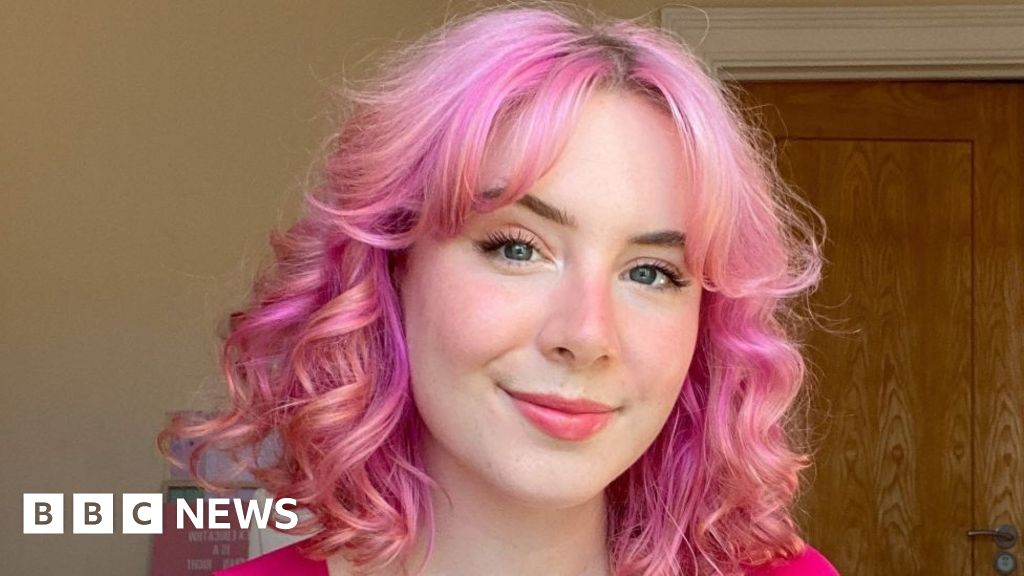
A certified reproductive health educator recently found herself questioning decisions she had confidently made for years. Despite her professional expertise in contraceptive methods, Milly Evans experienced unexpected hesitation when considering a hormonal intrauterine device.
The 26-year-old professional delayed scheduling her appointment for six months after encountering persuasive but misleading content on social media platforms. This experience highlights a growing phenomenon affecting young women across digital spaces.
The Rise of Anti-Contraceptive Content Online
Evans describes her social media feeds as being overwhelmed with posts discouraging hormonal contraceptive use. Much of this content originates from conservative religious sources, particularly in the United States, and frames birth control opposition through concepts of natural living and traditional femininity.
The messaging has reached beyond American borders, influencing women in other countries. Lauren, a 25-year-old from Manchester who has successfully used combined oral contraceptives for four years to manage severe premenstrual symptoms, reports feeling invalidated by wellness influencers who label hormonal methods as unnatural.
Her contraceptive choice has significantly improved her quality of life by alleviating premenstrual dysphoric disorder symptoms, yet online content has made her question her medically beneficial decision.
Medical Professionals Observe Real-World Impact
Healthcare providers are witnessing this digital influence translate into clinical settings. London-based general practitioner Jenny Dhingra reports increased patient anxiety about hormonal contraceptives over recent years, with many citing social media-derived fears about side effects.
The phenomenon extends beyond individual testimonials to include medically qualified individuals spreading unsubstantiated claims through podcasts and online platforms, according to relationship therapy specialists.
Medical experts note that while some online claims are entirely false, others misrepresent legitimate research by taking findings out of context or citing studies with questionable methodologies.
Shifting Usage Patterns and Alternative Methods
Data suggests a measurable decline in hormonal contraceptive use. Research published recently indicates that between 2018 and 2023, fewer women seeking abortion services reported using hormonal birth control methods for pregnancy prevention.
Academic reviews of social media content reveal that negative experiences receive disproportionate attention compared to positive outcomes or medical benefits. Dramatic adverse events generate more engagement than success stories, creating a skewed perception of risk.
As women turn away from proven methods, fertility tracking applications are gaining popularity. These apps can advertise freely on social media since they don’t require prescriptions, positioning themselves as natural alternatives despite being designed primarily for conception assistance rather than pregnancy prevention.
The Complete Picture of Contraceptive Benefits
Healthcare professionals emphasize that hormonal contraceptives provide significant medical benefits beyond pregnancy prevention. These methods can effectively treat heavy menstrual bleeding, reduce premenstrual syndrome symptoms, and manage conditions like endometriosis and adenomyosis.
While acknowledging that some users do experience side effects, medical experts stress that official health guidance indicates most adverse effects are temporary and that serious complications remain statistically rare.
Addressing Legitimate Concerns
The online discourse includes genuine experiences from women who have faced dismissive healthcare responses to their contraceptive concerns. Many express frustration about bearing the primary responsibility for family planning while male contraceptive options remain limited in clinical trials.
These valid grievances risk being co-opted by ideological campaigns that view women’s primary role as childbearing, creating a complex landscape where legitimate medical concerns intersect with anti-contraceptive messaging.
Evans ultimately proceeded with her chosen contraceptive method after consulting with healthcare professionals. Her positive experience prompted supportive responses from followers who had been deterred by negative online content, demonstrating the value of balanced, medically informed discussions about reproductive health choices.