Southwest Airlines’ Assigned Seating Strategy Creates Customer Backlash
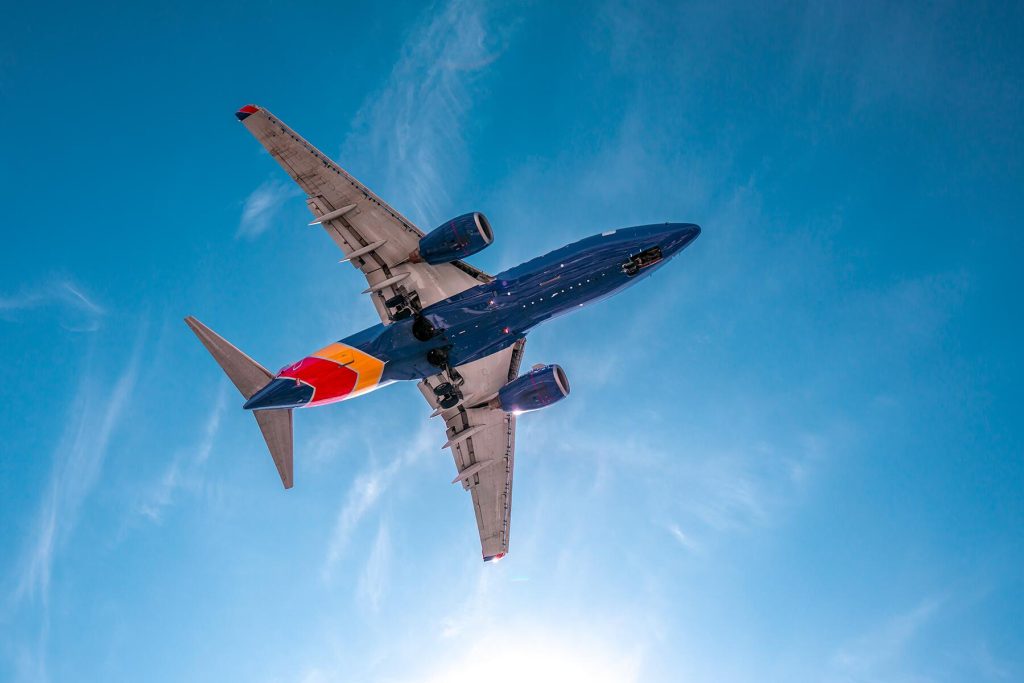
Southwest Airlines has encountered significant passenger resistance following its decision to abandon its signature open seating model earlier this year. The Dallas-based carrier, which maintained an unassigned seating system for fifty years, implemented assigned seating in January, marking a dramatic departure from its traditional approach.
The transition has generated widespread customer dissatisfaction, with travelers voicing concerns about inadequate overhead storage space, families being split apart, and boarding process disruptions. Previously, Southwest stood alone among major U.S. carriers by offering passengers the freedom to select any available seat upon boarding, complemented by complimentary checked baggage for two pieces.
These distinctive features have been eliminated as part of the airline’s broader restructuring effort. Passengers now face additional fees for priority boarding privileges and baggage services, aligning Southwest’s pricing structure with industry standards. The announcement has divided the customer base between those anticipating improved boarding efficiency and others mourning the loss of the airline’s unique selling proposition.
Social media platforms have become venues for passenger frustration, with travelers reporting difficulties securing overhead bin space near their designated seats and families unable to sit together without purchasing premium options.
Passengers describe situations where assigned seats in early rows lack nearby storage space, forcing them to store luggage dozens of rows away from their seating assignments.
These challenges represent deliberate business decisions driven by revenue considerations. Industry data shows that checked baggage fees generated seven billion dollars for U.S. airlines in 2024, representing a lucrative revenue stream Southwest previously avoided. The elimination of free checked bags has predictably increased carry-on luggage volume, as passengers seek to avoid new fees, potentially compromising boarding efficiency.
Southwest defends the changes as customer-focused improvements, introducing eight distinct boarding categories based on membership status, ticket type, and seat selection. Premium passengers paying for extra legroom or preferred seating receive priority boarding, while top-tier customers retain complimentary baggage privileges.
Recognizing mounting customer complaints, Southwest leadership has acknowledged the transition challenges. Tony Roach, the airline’s chief customer and brand officer, has communicated directly with passengers about ongoing efforts to streamline the boarding process. The company plans to expand overhead storage capacity by fifty percent across seventy percent of its fleet by year’s end and install specialized signage to designate storage areas for premium passengers.
Broader Strategic Shifts
The seating policy change represents one element of Southwest’s comprehensive operational overhaul. Additional modifications include restrictions on lithium battery transport in mobility equipment and revised policies affecting plus-size travelers’ seat purchases. The boarding process now requires passengers needing assistance or wheelchair users to self-identify at gates, replacing the previous automatic pre-boarding system.
Southwest has faced considerable operational challenges in recent years, including a devastating system failure during the 2022 holiday season that resulted in thousands of cancellations and regulatory penalties. The technology breakdown exposed the airline’s outdated infrastructure and prompted federal intervention.
External pressure intensified in 2024 when Elliott Investment Management acquired a substantial ownership position and advocated for strategic changes. Southwest’s compliance with these demands has fundamentally altered its market position, eliminating the competitive advantages that distinguished it from traditional carriers.
The transformation has left Southwest resembling conventional airlines in pricing and policies while lacking the premium amenities like airport lounges and enhanced services that legacy carriers provide to justify higher costs. This positioning has alienated many longtime customers who valued the airline’s original no-frills, customer-friendly approach.
The strategic pivot highlights the tension between maximizing short-term revenue and maintaining customer loyalty, as Southwest discovers that pursuing industry-standard profit margins may come at the cost of its distinctive brand identity.