Unexpected Italian Laws That Could Cost Tourists Hundreds in Fines
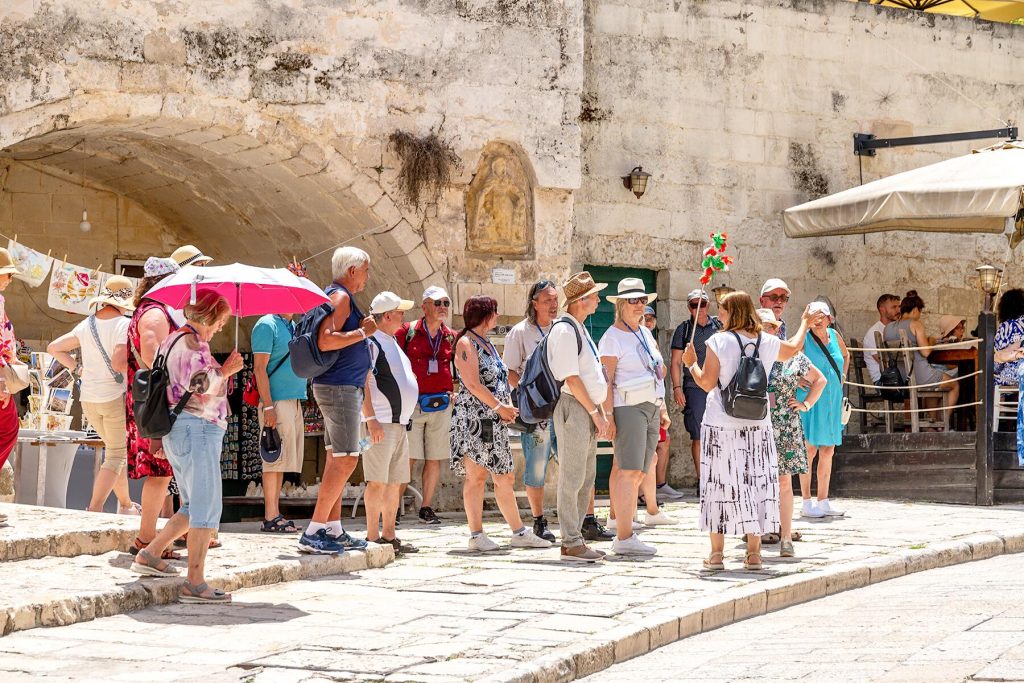
Italy welcomes over 134 million visitors annually, making it one of the world’s most popular travel destinations. However, tourists can unknowingly violate local regulations that carry substantial penalties, with some fines reaching as high as €2,500. Understanding these unusual rules can help travelers avoid costly mistakes during their Italian vacation.
Footwear Restrictions on Capri Island
The glamorous island of Capri has maintained an unusual ordinance since the 1960s that prohibits noisy footwear in public areas. This regulation was originally enacted to address the popularity of wooden clogs, whose loud clacking sounds disrupted the peaceful atmosphere of the island’s narrow streets and pathways. While enforcement has reportedly become less stringent in recent years, visitors caught wearing excessively loud shoes may face a €50 penalty. Many tourists use this as an opportunity to purchase the island’s famous handcrafted leather sandals from local artisans.
Hiking Boot Requirements in Cinque Terre
The scenic Cinque Terre coastal region has implemented strict footwear standards for hikers attempting to traverse its famous clifftop trails. Since 2025, authorities have increased enforcement of regulations requiring proper hiking boots that cover the ankle, feature waterproof materials, and include anti-slip soles. Visitors caught hiking in inadequate footwear face fines up to €2,500, as improper shoes pose safety risks to both the wearer and fellow hikers on these challenging coastal paths.
Bird Feeding Prohibitions in Major Cities
Venice, Rome, Florence, and other major Italian cities have banned feeding pigeons and other birds in public squares and near monuments. Officials implemented these €500 fines to maintain public hygiene and reduce the costs associated with cleaning bird droppings from historic structures and antiquities. While the sight of pigeons dramatically taking flight creates cinematic moments, tourists should resist the urge to feed these urban birds.
Swimwear Restrictions in Coastal Communities
Popular beach destinations including Sorrento, regions of Tuscany, Veneto, and Campania have established dress codes that require visitors to cover swimwear when leaving beach and pool areas. Tourists must wear appropriate clothing when entering town centers and community areas, showing respect for local residents who live in these areas year-round. Violating these dress codes can result in fines up to €500.
Eating Restrictions in Venice
Venice has implemented particularly strict measures to combat overtourism and inappropriate visitor behavior, as the city faces potential inclusion on UNESCO’s endangered heritage list. Among these measures is a €200 fine for eating or drinking while seated on monuments, steps, bridges, or elevated walkways. This regulation addresses complaints about visitors who spend minimal money in the city while using historic structures as impromptu dining areas.
Avoiding Fraudulent Enforcement
Travelers should remain vigilant about potential scammers impersonating police officers to collect fake fines. Legitimate law enforcement officers issue citations payable at a later date rather than demanding immediate cash payments. All uniformed police carry proper identification, and undercover officers must present their badges (tesserino) when requested. Tourists who feel uncertain about an officer’s legitimacy should request to visit the nearest police station or call the European emergency number 112 for verification.