United Airlines Adds Mandatory Headphone Policy to Official Contract Terms
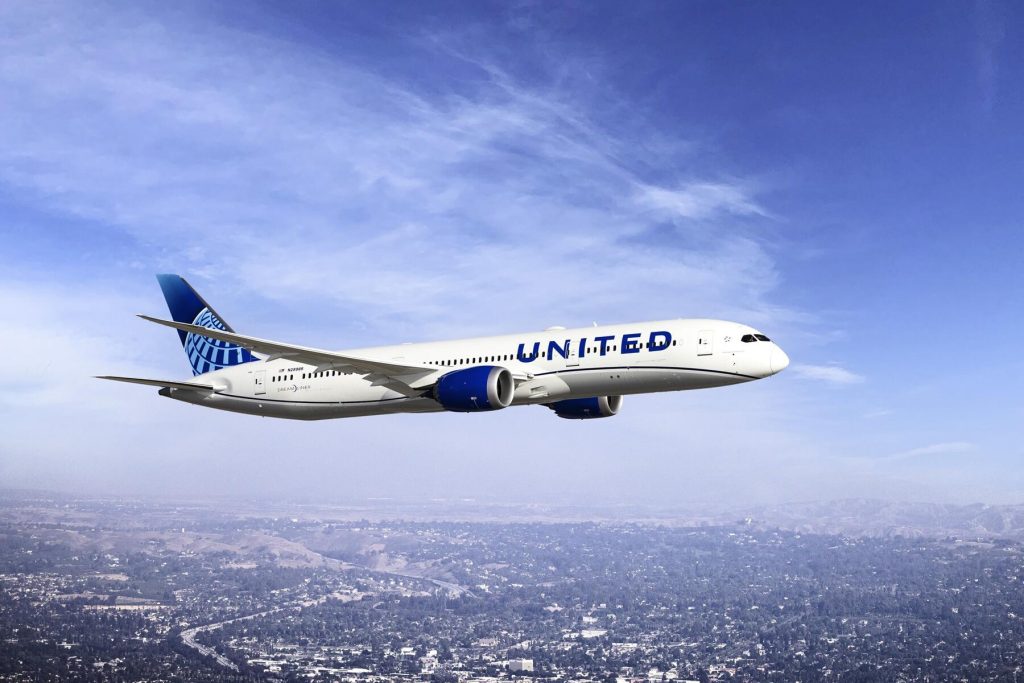
United Airlines has implemented a new policy that could result in passengers being denied boarding or removed from flights if they refuse to use headphones while consuming audio or video content on personal devices.
The Chicago-based carrier has discreetly modified its contract of carriage to include passengers who decline to use headphones for audio or video content among the reasons for potential boarding denial, even when travelers have satisfied all other flight requirements.
This updated policy goes beyond simply removing passengers from individual flights. United has also retained the authority to prohibit non-compliant passengers from booking future flights with the airline when circumstances justify such action.
While several major U.S. carriers, including American Airlines and Alaska Airlines, maintain informal quiet cabin policies encouraging headphone use, United distinguishes itself by formally incorporating this requirement into its binding contract of carriage. Other airlines typically do not explicitly list headphone non-compliance as grounds for passenger removal.
Alternative enforcement mechanisms remain available to other carriers when dealing with disruptive passengers. Existing contract provisions allow airlines to deny boarding for behaviors such as refusing to follow crew instructions or interfering with crew member responsibilities. The motivation behind United’s decision to specifically address headphone usage in their contract remains unclear.
Expanded Content Restrictions
United has also broadened an existing clause that permits passenger removal for unlawful, indecent, lewd, or sexual conduct. The revised language now encompasses viewing offensive content as justification for denying boarding or removing passengers who have already boarded the aircraft.
The rise of personal entertainment devices has transformed in-flight noise into a significant source of passenger complaints. While airlines have provided onboard entertainment systems for decades with mandatory headphone use, the widespread adoption of smartphones, tablets, and other devices has created new friction points among travelers, with device noise ranking among the most frequently cited passenger grievances.
Industry Perspective
Heather Poole, a veteran flight attendant with a major U.S. airline and author of aviation industry memoirs, commented on the policy change through social media. She expressed surprise at the formal nature of United’s approach, noting that simple requests for headphone compliance typically result in passenger cooperation without requiring official policy enforcement.
Practical Implementation
The formal contract language provides United employees with clear authority to address non-compliance before passengers board aircraft. Gate agents can now deny boarding to travelers who refuse headphone use in terminal areas, rather than waiting until after boarding when passenger removal becomes significantly more complex and time-consuming.
Post-boarding passenger removal often requires law enforcement intervention and may necessitate deplaning all passengers to prevent conflicts or unauthorized recording. This proactive approach allows United to address potential disruptions more efficiently.
United has indicated it will provide complimentary earbuds to passengers who forget their own headphones, though compatibility with all personal devices cannot be guaranteed.
When passengers purchase airline tickets, they enter into a contractual agreement that outlines the terms of service, including circumstances for flight removal, ticket usage restrictions, and airline obligations during delays, cancellations, or baggage issues.