Weekend Airport Security Delays Expected as Government Shutdown Continues
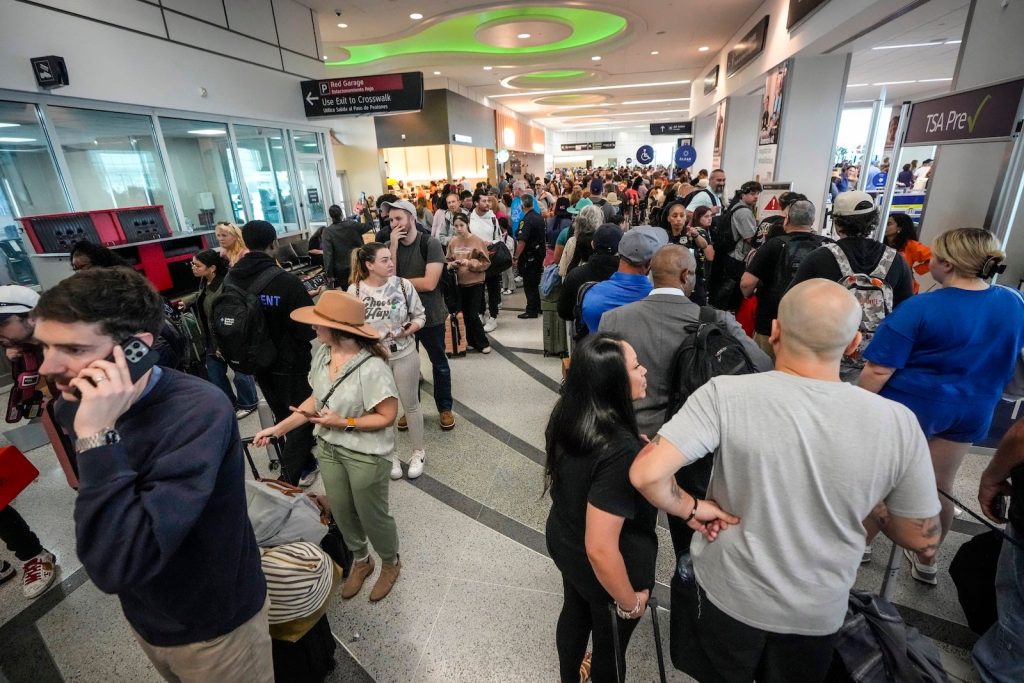
Travelers face another challenging weekend at airport security checkpoints as the partial government shutdown extends into its fourth week, significantly impacting Transportation Security Administration operations nationwide.
With TSA officers continuing to work without compensation, airports across the country are experiencing extended security wait times that could result in missed flights for unprepared passengers. The situation has created a ripple effect of delays and operational challenges at major travel hubs.
Recent weekend disruptions affected multiple major airports, including Houston, Atlanta, New Orleans, and Charlotte, where passengers endured security waits extending up to three hours during peak travel periods.
The pattern of delays remains unpredictable, with some airports experiencing severe bottlenecks while others maintain normal operations. However, the overall threat of extended wait times persists, particularly as spring break travel season approaches.
Recent TSA checkpoint data indicates Thursday marked the highest passenger volume at U.S. airports since early January, following the New Year’s travel surge. Friday and weekend travel volumes were projected to exceed these numbers significantly.
Austin-Bergstrom International Airport experienced notable morning delays on Friday, with security lines extending beyond terminal doors. Local media documented the situation, which lasted approximately two hours during the 5 a.m. to 7 a.m. peak period before operations normalized.
Philadelphia International Airport took proactive measures by closing its Terminal C checkpoint to redistribute passenger flow and optimize operations across remaining security points.
The Department of Homeland Security, which oversees TSA operations, has been affected by the shutdown since February 14, leaving lawmakers unable to reach funding agreements for the department or TSA employee salaries.
Despite being classified as essential workers required to report during shutdowns, TSA employees face uncertainty regarding immediate compensation. This situation follows a previous 43-day government shutdown, contributing to increased employee absences and resignations within the agency.
Strategic Preparation for Security Delays
Travelers can take several proactive steps to navigate potential checkpoint delays during the ongoing shutdown.
Allow Extra Airport Arrival Time
Passengers should plan to arrive at airports significantly earlier than typical recommendations to accommodate potential security delays. This precaution becomes especially critical for travelers without expedited security programs like Clear or TSA PreCheck.
Determining Optimal Arrival Times
Calculating appropriate arrival times requires careful research due to varying delay patterns across different airports.
While the TSA mobile application typically provides real-time security monitoring, shutdown impacts have limited regular updates to this resource. Alternative information sources become essential for travel planning.
Many major airports maintain dedicated security monitoring pages, such as Dallas Fort Worth International Airport’s real-time status portal. These resources offer current wait time estimates and operational updates.
For airports without dedicated monitoring systems, social media channels often provide timely operational updates and passenger advisories.
Houston’s William P. Hobby Airport, which experienced severe delays during the previous weekend, reported improved conditions following TSA reinforcement deployments. Recent wait times at this facility dropped to under ten minutes, representing substantial improvement from earlier disruptions.
Explore Alternative Security Checkpoints
Passengers encountering crowded security areas should consult airport staff about alternative checkpoint options that may offer shorter wait times.
Many airports feature less utilized security checkpoints that can serve as valuable alternatives to main processing areas. These locations often require additional walking but can significantly reduce overall processing time.
Maximize Expedited Security Programs
TSA PreCheck remains the most effective method for expediting airport security processing, whether obtained through standalone membership or Global Entry access.
Combining TSA PreCheck with Clear subscription services provides optimal security line bypass capabilities during high-volume periods.
The TSA’s newest Touchless ID technology offers additional time savings for PreCheck members, eliminating the need to present identification documents or boarding passes at security checkpoints. This service requires no additional fees but does require enrollment through airline profiles.
Verify Known Traveler Number Integration
TSA PreCheck members must ensure their Known Traveler Numbers appear on boarding passes before airport arrival to access expedited lanes.
Passengers should verify this information and update airline profiles if necessary to avoid standard security processing.
Maintain Security Compliance
Individual passenger preparation significantly impacts overall security line efficiency for all travelers.
Strict adherence to TSA’s 3-1-1 liquid restrictions prevents delays caused by prohibited items. Oversized containers of liquids, gels, or aerosols create bottlenecks affecting entire security queues.
Recent policy updates allow passengers in standard security lanes to keep shoes on during screening, streamlining the overall process.
Positive Development for International Travelers
Despite ongoing TSA challenges, international travelers received welcome news this week regarding Global Entry program restoration.
The Department of Homeland Security reinstated Global Entry services on Wednesday morning after a 17-day suspension. This expedited customs program allows pre-approved members to use biometric kiosks for faster passport control processing.
The previous suspension represented an unusual departure from standard shutdown procedures and generated significant criticism from travel industry stakeholders before its restoration.