Middle East Flight Disruptions: Essential Information for Travelers
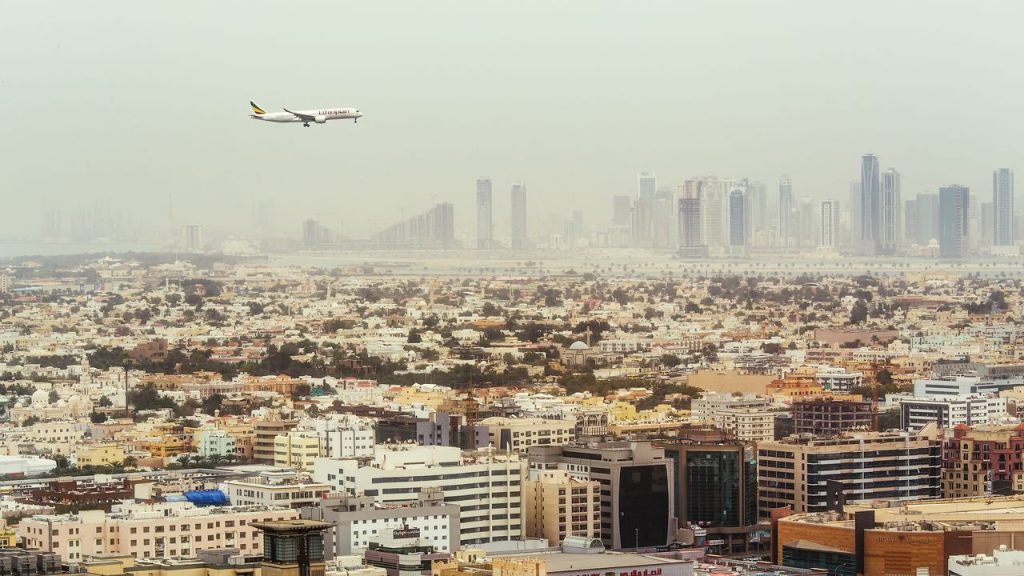
Air travel through the Middle East region continues to face significant challenges, with various factors contributing to widespread flight disruptions that affect millions of passengers worldwide. Understanding these issues is crucial for travelers planning journeys through or to this strategically important aviation hub.
Current State of Middle East Aviation
The Middle East serves as a critical connecting point for international air travel, with major airports in Dubai, Doha, Istanbul, and other regional centers handling substantial passenger volumes. However, recent developments have created unprecedented challenges for both airlines and travelers navigating this airspace.
Primary Causes of Flight Disruptions
Several interconnected factors contribute to the ongoing aviation challenges in the region. Geopolitical tensions have led to airspace restrictions and route modifications, forcing airlines to implement longer flight paths that consume additional fuel and time. Weather conditions, including sandstorms and extreme temperatures, also play a significant role in operational delays.
Infrastructure limitations at certain airports have compounded these issues, with some facilities struggling to accommodate the increased traffic resulting from route diversions. Additionally, crew scheduling complications arise when flights are delayed or cancelled, creating ripple effects throughout airline networks.
Impact on Travelers
Passengers face various challenges when their Middle East flights are disrupted. Extended layovers become common as airlines work to accommodate travelers on alternative routes. Many passengers experience significant delays in reaching their final destinations, sometimes requiring overnight stays in transit cities.
Financial implications include additional accommodation costs, meal expenses, and potential rebooking fees. Travelers may also face difficulties with connecting flights, particularly when tight connection times become impossible due to delays.
Airline Response and Adaptations
Major carriers operating in the region have implemented various strategies to minimize disruption impact. These include proactive rebooking systems, enhanced customer communication protocols, and partnerships with hotels to provide accommodation during extended delays.
Some airlines have adjusted their route networks, establishing alternative pathways that avoid problematic airspace while maintaining service to key destinations. Fleet reallocation has also become common, with larger aircraft sometimes deployed on routes that previously used smaller planes.
Traveler Preparation Strategies
Passengers can take several steps to minimize the impact of potential disruptions. Booking flights with longer connection times provides buffer space for delays. Travel insurance that covers flight disruptions can help offset additional costs incurred during extended delays.
Staying informed about current conditions through airline apps and official communications helps travelers make informed decisions about their journeys. Packing essential items in carry-on luggage ensures access to necessities during unexpected overnight stays.
Looking Forward
Industry experts suggest that Middle East flight disruptions may continue for the foreseeable future, making traveler preparation and flexibility increasingly important. Airlines continue working to optimize their operations within current constraints while maintaining safety as their top priority.
Understanding these challenges and preparing accordingly can help travelers navigate the current aviation environment more effectively, ensuring safer and more predictable journey experiences despite ongoing regional complexities.