Leonardo DiCaprio’s Underrated Netflix Performance Shows His Evolution as an Actor
With awards season in full swing, audiences are revisiting the impressive filmographies of this year’s nominees. While Leonardo DiCaprio’s latest work in Paul Thomas Anderson’s acclaimed drama has earned him another Oscar nomination, there’s value in examining a less celebrated performance that marked a significant shift in his career trajectory.
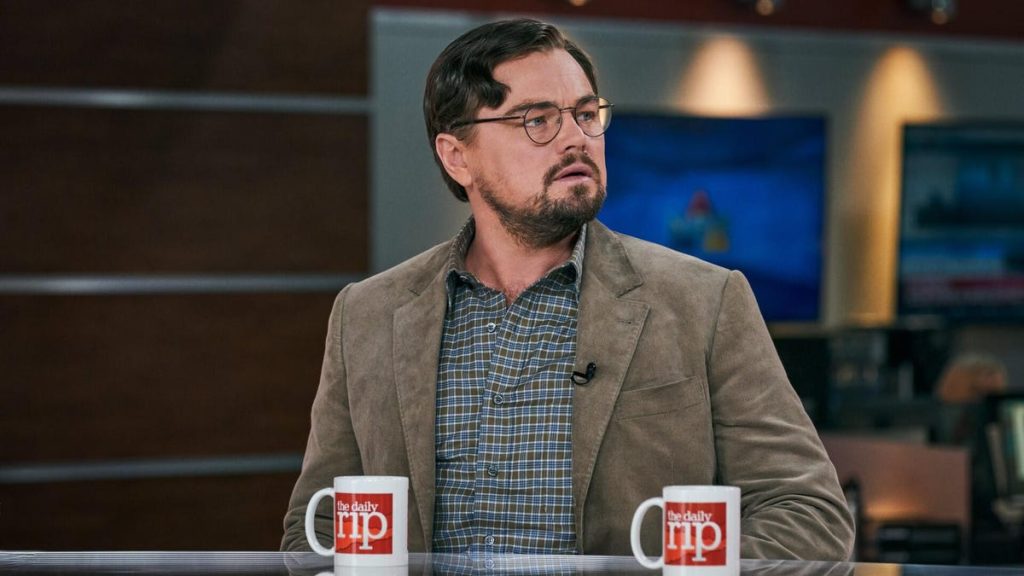
The film in question is Adam McKay’s “Don’t Look Up,” a satirical disaster comedy that premiered on Netflix during the height of the pandemic. This movie represents what could be considered the beginning of DiCaprio’s willingness to embrace more unconventional, disheveled character types – a departure from his traditionally polished leading man roles.
“Don’t Look Up” arrived at an unfortunate moment in cultural history. As a dark comedy addressing climate change denial and societal indifference to existential threats, it landed when audiences were seeking escapist entertainment rather than confrontational social commentary. The timing couldn’t have been worse – viewers were already grappling with real-world catastrophe and craved uplifting content instead of apocalyptic warnings.
Despite receiving harsh critical reviews, the film secured four Academy Award nominations, suggesting there was substance beneath its polarizing surface. The story centers on Dr. Randall Mindy, played by DiCaprio, and his graduate student Kate DiBiasky, portrayed by Jennifer Lawrence, as they attempt to warn humanity about an approaching comet that will destroy Earth within six months.
The scientists encounter frustrating resistance at every turn. Politicians, media figures, and other authority figures consistently prioritize personal gain over public safety, choosing to manipulate the crisis narrative rather than address the genuine threat. This dynamic creates a disturbing mirror of contemporary political and media landscapes.
What makes the film compelling despite its bleak premise is the unexpected casting choices. DiCaprio abandons his typical suave persona to play an anxious, unkempt academic who gradually unravels under pressure. This performance foreshadowed his continued exploration of more complex, flawed characters in subsequent projects.
Lawrence delivers an equally strong performance as the outspoken student who refuses to accept the establishment’s dismissive attitude. The supporting cast reads like a who’s who of Hollywood talent, including Meryl Streep, Cate Blanchett, Jonah Hill, Mark Rylance, Tyler Perry, Timothée Chalamet, Ron Perlman, Ariana Grande, Melanie Lynskey, and Michael Chiklis.
While ostensibly about climate change, the film’s themes extend far beyond environmental issues. The narrative structure and social dynamics it depicts feel increasingly relevant to contemporary discussions about misinformation, political manipulation, and public apathy toward urgent crises.
The movie’s approach is deliberately uncomfortable, refusing to offer easy answers or comforting resolutions. Instead, it functions as a harsh critique of modern society’s tendency to prioritize immediate gratification over long-term survival. The dark conclusion reinforces this message without providing the cathartic release typical of disaster films.
Since its release, other apocalyptic entertainment has emerged with similar themes but perhaps more palatable execution. However, “Don’t Look Up” deserves recognition for its uncompromising vision and willingness to challenge audience expectations.
Rather than revisiting DiCaprio’s most celebrated performances, this overlooked work offers insight into his artistic evolution. It demonstrates his commitment to taking creative risks and exploring characters that subvert his established screen persona. The film may have been misunderstood upon release, but it contains the elements of a work that improves with time and changing perspective.