Apple’s MacBook Neo Emerges as Company’s Most User-Serviceable Laptop
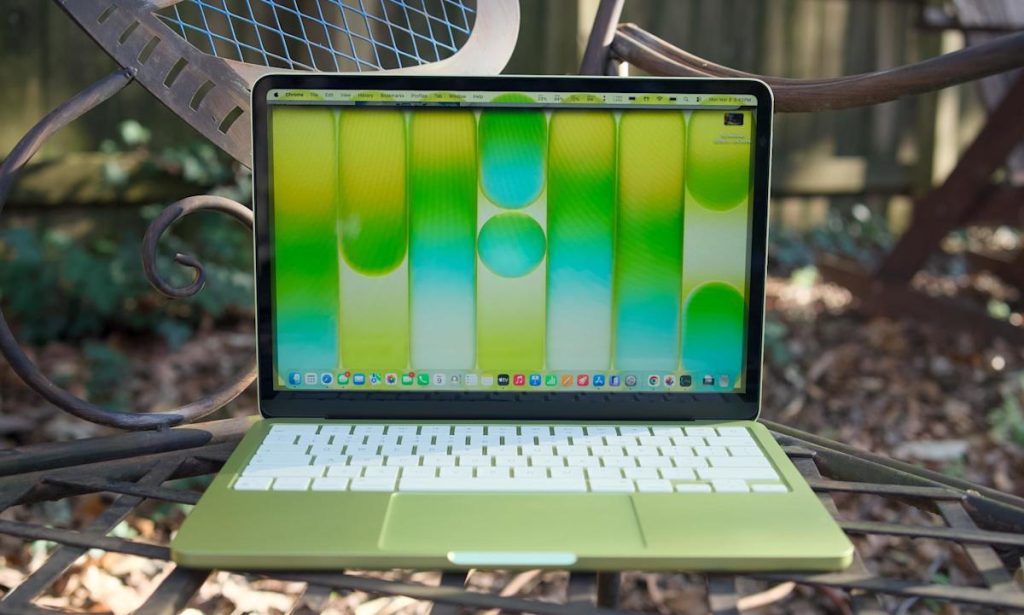
Apple has introduced a significant shift in its laptop design philosophy with the MacBook Neo, marking a departure from the company’s traditionally sealed devices toward a more repair-friendly approach.
The MacBook Neo represents Apple’s most accessible laptop for user maintenance and professional repair services. This development comes as a response to growing pressure from right-to-repair advocates and regulatory bodies worldwide who have pushed for more sustainable and serviceable electronic devices.
Unlike previous MacBook models that featured soldered components and proprietary screws, the MacBook Neo incorporates modular design elements that allow users and technicians to access internal components more easily. The laptop features removable memory modules, replaceable storage drives, and a battery that can be swapped without extensive disassembly.
The enhanced repairability extends to the display assembly, which can now be separated from the main chassis using standard tools rather than requiring specialized equipment. Additionally, the keyboard mechanism has been redesigned to allow individual key replacement, addressing one of the most common failure points in previous MacBook generations.
This strategic pivot toward repairability aligns with Apple’s broader environmental initiatives and sustainability goals. By making devices easier to repair, the company aims to extend product lifecycles and reduce electronic waste, while also potentially lowering long-term ownership costs for consumers.
The MacBook Neo’s design philosophy represents a significant engineering challenge for Apple, as the company has historically prioritized thin profiles and seamless aesthetics over serviceability. However, the new model manages to maintain Apple’s design standards while incorporating the necessary accessibility features for repairs.
Industry analysts suggest this move could influence other laptop manufacturers to adopt similar repair-friendly approaches, potentially reshaping the entire portable computing market toward more sustainable practices.