Seven Common Coffee Brewing Errors That Could Be Ruining Your Morning Cup
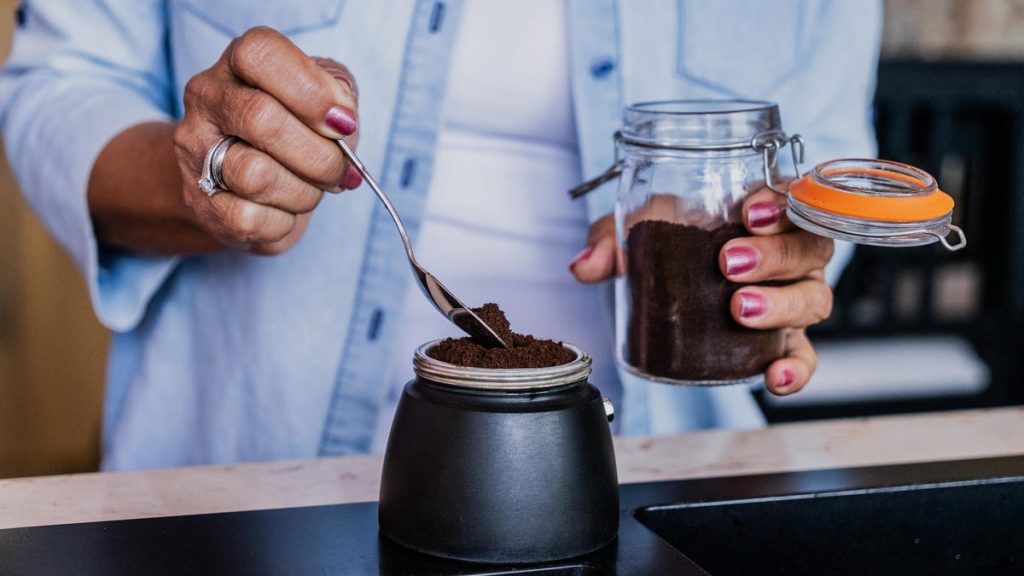
While most Americans rely on their daily coffee ritual, many are unknowingly sabotaging their brew quality through simple yet significant mistakes. Coffee industry expert Sarina Prabasi, who founded a New York City micro-roastery and serves on the Specialty Coffee Association board, reveals that the majority of home brewers are missing key steps that could dramatically improve their coffee experience.
Whether you prefer French press, pour-over, espresso, or cold brew methods, achieving exceptional coffee requires understanding common pitfalls and implementing straightforward solutions. Here are seven frequent errors that may be compromising your daily cup.
Over-Cleaning Your Brewing Equipment
Contrary to popular belief, excessive washing with soap can actually harm your coffee’s flavor profile. Regular dish soap leaves behind residual fragrances and chemical traces that create an unpleasant, sudsy taste in your finished brew.
For daily maintenance after brewing black coffee, simply rinsing your equipment with extremely hot water provides adequate cleaning. Reserve fragrance-free soap for occasional deep cleaning when coffee oils accumulate over time. This simple adjustment prevents unwanted flavors from interfering with your coffee’s natural taste characteristics.
Purchasing Excessive Quantities of Coffee Beans
Bulk buying may seem economical, but it often results in consuming stale, flavorless coffee. Smaller households should prioritize purchasing modest amounts to ensure freshness, as deteriorated coffee loses its vibrant characteristics and tastes like a mere shadow of its intended flavor.
Always check for roast dates within one month of purchase, ideally within two weeks for optimal taste. Remember that expiration dates differ from roast dates and don’t indicate actual freshness levels. While coffee doesn’t spoil immediately, quality begins declining noticeably after the two-week mark. Store beans in airtight containers at room temperature, avoiding refrigeration which introduces moisture and foreign odors.
Making Multiple Adjustments Simultaneously
When experimenting with brewing techniques, resist the temptation to modify several variables at once. This approach makes it impossible to identify which changes actually improved or worsened your results.
Start with basic water-to-coffee ratios before exploring other modifications. Without a kitchen scale, begin with two tablespoons of ground coffee per cup of water. Finer grinds produce stronger flavors, requiring ratio adjustments accordingly. Once you establish a baseline, experiment with single variables like roast levels or bean origins to understand their individual impact on taste.
Using Unfiltered Tap Water
Municipal tap water contains chlorine and chloramines used for disinfection, which significantly affect coffee flavor and aroma. These chemicals, while necessary for public health, create noticeable taste alterations in your final brew.
Investing in a home water filtration system removes these chemical by-products along with potential pipe contaminants like lead and copper. This single change often produces the most dramatic improvement in coffee quality for home brewers using standard tap water.
Neglecting Aroma Assessment
Your sense of smell provides crucial information about coffee freshness and quality. Fresh coffee should release a strong, pleasant aroma immediately upon opening the package. Absence of scent indicates stale coffee that will taste muddy, flat, and lack the complex flavor notes described on packaging.
Professional coffee evaluation involves extensive tasting and cupping at every stage from farm to cup. While stale coffee won’t cause illness, it significantly diminishes the drinking experience. Consider using older coffee for iced preparations or longer steeping methods to extract remaining flavors.
Overlooking Organic Certification
Among the overwhelming array of coffee options, organic certification serves as a reliable quality indicator. Coffee crops, particularly from large-scale operations, often receive heavy pesticide applications that directly contact the coffee cherries.
Unlike fruits with removable peels or washable skins, coffee beans absorb whatever chemicals are applied during cultivation. The organic label indicates more careful sourcing and production methods, though quality coffee exists across various price points. Focus on sourcing care, roasting attention, and preparation methods when selecting coffee.
Constantly Consuming Coffee On-the-Go
While portable coffee serves practical purposes, treating coffee solely as fuel misses opportunities for meaningful experiences. Many cultures, particularly in coffee-growing regions, emphasize coffee as a social connector and moment for pause rather than a quick energy boost.
Even dedicating ten additional minutes to enjoy coffee at a cafe instead of requesting takeout can transform a rushed morning routine. Creating personal coffee rituals, whether at home or in cafes, allows appreciation of coffee’s qualities beyond its caffeine content and fosters more mindful consumption habits.