Investment Strategies for Managing Supply Chain Disruptions During Middle Eastern Conflicts
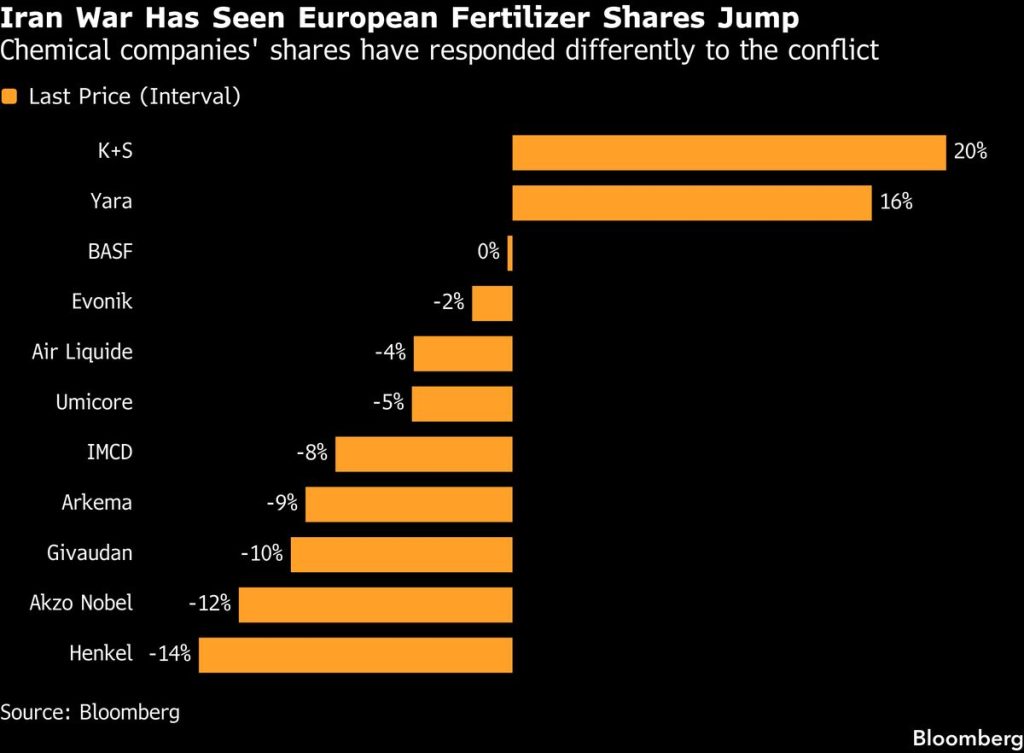
As tensions escalate in the Middle East with potential military conflicts involving Iran, equity investors are conducting comprehensive portfolio reviews across multiple sectors. The threat of sustained hostilities and rising energy costs is forcing market participants to evaluate investment risks beyond traditional oil and gas companies.
The ripple effects of geopolitical instability are extending far beyond energy markets, compelling traders to examine vulnerabilities in unexpected industries. Companies spanning from meal delivery services to beauty product manufacturers are facing scrutiny as supply chain disruptions become increasingly likely.
Broader Market Impact Assessment
Financial analysts are identifying potential investment opportunities and risks across diverse sectors that may experience indirect consequences from regional conflicts. The interconnected nature of global commerce means that even seemingly unrelated businesses could face operational challenges or benefit from shifting market dynamics.
Strategic Portfolio Positioning
Investment professionals are developing strategies to navigate the uncertain landscape by diversifying their holdings and identifying companies with resilient supply chains. This approach involves analyzing which businesses maintain alternative sourcing options and those that could capitalize on disrupted competitor operations.
The current market environment requires investors to think beyond conventional wisdom about conflict-related investments, as modern supply chains create unexpected connections between geopolitical events and corporate performance across numerous industries.