Retail Investors Pour Money into Oil Funds Amid Middle East Tensions While Institutions Pull Back
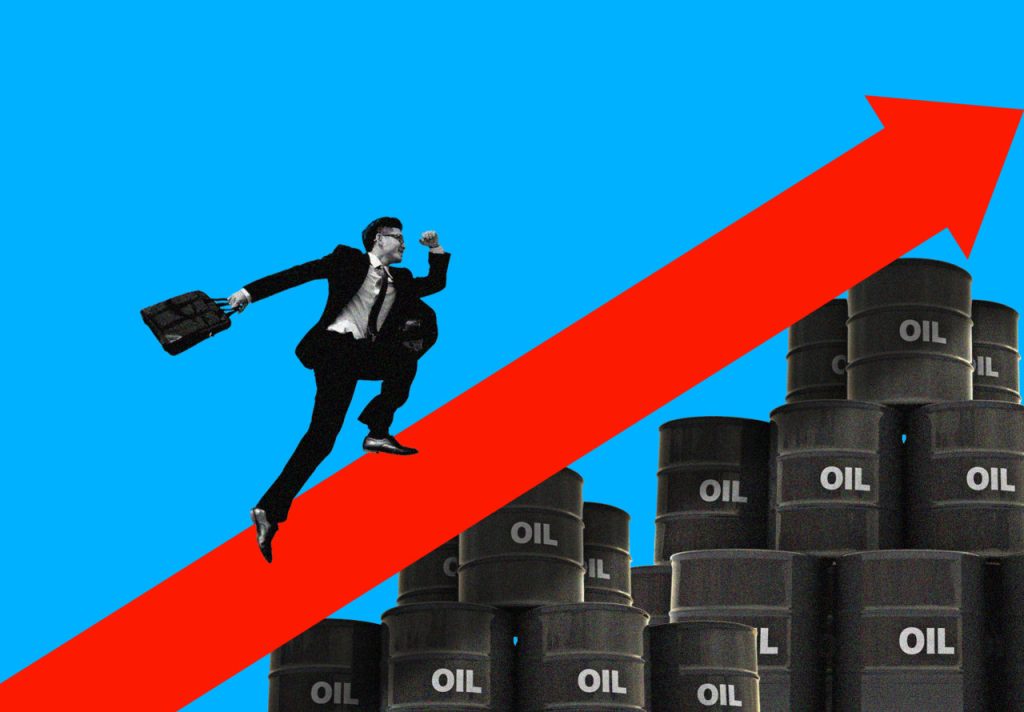
A stark divide has emerged between individual and institutional investors in their response to recent oil market volatility triggered by escalating tensions in the Middle East. While retail investors have rushed to capitalize on crude price surges, sophisticated institutional players appear to be positioning for longer-term scenarios.
The divergent investment strategies became evident through dramatic fund flows over a nine-day period. A widely-held petroleum investment fund attracted an unprecedented $1 billion in new capital from individual investors seeking exposure to rising oil prices. This massive influx demonstrates how retail traders are betting on continued energy market strength amid geopolitical uncertainty.
In sharp contrast, institutional money managers displayed a more cautious approach. During the same timeframe, a major exchange-traded fund tracking the S&P 500 experienced significant outflows totaling $12.6 billion, suggesting that professional investors are reducing their equity exposure and potentially preparing for broader market volatility.
The contrasting investment behaviors highlight different risk appetites and time horizons between investor categories. Individual investors appear focused on immediate opportunities presented by oil price spikes, while institutional players seem more concerned about potential economic disruptions that could affect broader market performance.
This pattern reflects a common phenomenon during geopolitical crises, where retail investors often chase momentum in commodity markets while professional fund managers take a more defensive stance. The substantial capital movements underscore how Middle Eastern tensions continue to influence global investment decisions across different asset classes.
The oil market surge has been driven by concerns over potential supply disruptions in a region critical to global energy production. However, institutional investors may be weighing factors such as economic slowdown risks, inflation pressures, and the potential for central bank policy responses that could impact broader financial markets.