Why Your Favorite Chair Feels Less Comfortable After Long Sitting Sessions
Disclosure / Affiliate Notice:
As an Amazon Associate I earn from qualifying purchases. Some links in this article may be affiliate links that earn me a commission at no extra cost to you.
https://www.amazon.com/s?k=car+detailing+brush+set&tag=yourtag-20
You settle into your favorite chair for what you expect to be a relaxing evening of reading or watching television. The first hour feels wonderful—the cushions seem perfectly supportive, and you sink into that familiar comfort. Yet by the third hour, something has changed. The same chair that welcomed you now feels less accommodating. Your back aches slightly, the seat feels firmer, and you find yourself constantly shifting positions. This transformation from comfort to discomfort reveals fascinating aspects of how our bodies interact with furniture over extended periods.
The Physics of Cushion Compression
When you first sit down, chair cushions respond to your body weight by compressing gradually. Most furniture cushions contain foam, springs, or fiber fill designed to distribute weight evenly. During the initial sitting period, these materials compress to match your body’s contours, creating that satisfying feeling of being cradled by the chair.
However, cushioning materials have limits to their resilience. As you continue sitting, the foam cells or fiber strands become increasingly compressed. What started as a gradual, comfortable settling process eventually reaches a point where the materials can compress no further. At this stage, the cushion essentially becomes a firmer surface, transferring more of your body weight directly to pressure points rather than distributing it evenly.
The quality and age of cushioning materials significantly affect this timeline. Newer, higher-density foams maintain their supportive properties longer than older or lower-quality alternatives. Over months and years of use, cushions develop permanent compression patterns that correspond to where people sit most frequently, creating uneven surfaces that feel uncomfortable even during short sitting sessions.
How Body Heat Changes Material Properties
Your body temperature plays a surprising role in how chair comfort changes over time. Most cushioning materials, particularly foam and synthetic fills, respond to heat by becoming softer and more pliable. When you first sit down, the materials are at room temperature and maintain their intended firmness level.
As your body heat warms the cushions, they begin to soften beyond their designed specifications. This thermal softening can initially feel pleasant, as the materials seem to mold more closely to your body. However, this increased pliability also reduces the cushion’s ability to provide proper support. What feels like enhanced comfort in the short term often leads to inadequate spinal alignment and muscle fatigue over longer periods.
The fabric covering also responds to body heat and moisture. Natural fibers like cotton may become slightly sticky or clingy when warmed, while synthetic materials might feel less breathable. These subtle changes in texture contribute to the overall sensation that the chair has become less welcoming.

Circulation and Pressure Point Development
Extended sitting creates pressure points where your body weight concentrates against the chair surface. Initially, healthy circulation easily compensates for this pressure. Blood flow adjusts, and tissues remain well-oxygenated despite the compression.
As sitting time extends, however, these pressure points begin to restrict blood flow more significantly. Reduced circulation causes tissues to become less resilient and more sensitive to pressure. Areas that felt perfectly comfortable an hour earlier now register as uncomfortable or even painful. This process explains why the same chair position that felt ideal initially becomes intolerable after several hours.
The body’s natural response involves frequent micro-movements and position adjustments. You might cross and uncross your legs, lean forward or backward, or shift your weight from side to side. These unconscious adjustments indicate that your body is working harder to maintain comfort, even though you may not consciously recognize the effort involved.
Muscle Fatigue and Postural Changes
Maintaining any single position requires continuous muscle engagement, even when sitting in a supposedly relaxing chair. Your core muscles work to maintain spinal alignment, while smaller stabilizing muscles make constant tiny adjustments to keep you balanced and properly positioned.
Over time, these muscles become fatigued from sustained low-level contraction. As muscle fatigue sets in, your posture gradually changes. You might begin to slouch, lean to one side, or allow your shoulders to roll forward. These postural shifts alter how your body contacts the chair, creating new pressure points and changing weight distribution patterns.
The chair that perfectly supported your initial upright posture may provide inadequate support for your gradually changing position. This mismatch between chair design and your evolving posture contributes significantly to the decline in comfort over extended sitting periods.
Temperature and Humidity Accumulation
The space between your body and the chair creates a microenvironment that changes dramatically during long sitting sessions. Initially, air circulates freely around your body, maintaining a comfortable temperature and humidity level. As you settle in and remain stationary, this air circulation decreases significantly.
Your body continuously generates heat and moisture, which become trapped in the limited space between you and the chair. This accumulation creates a warmer, more humid environment that can feel stuffy and uncomfortable. The sensation is similar to wearing the same clothes for too long—technically nothing has changed about the garment, but the microenvironment has become less pleasant.
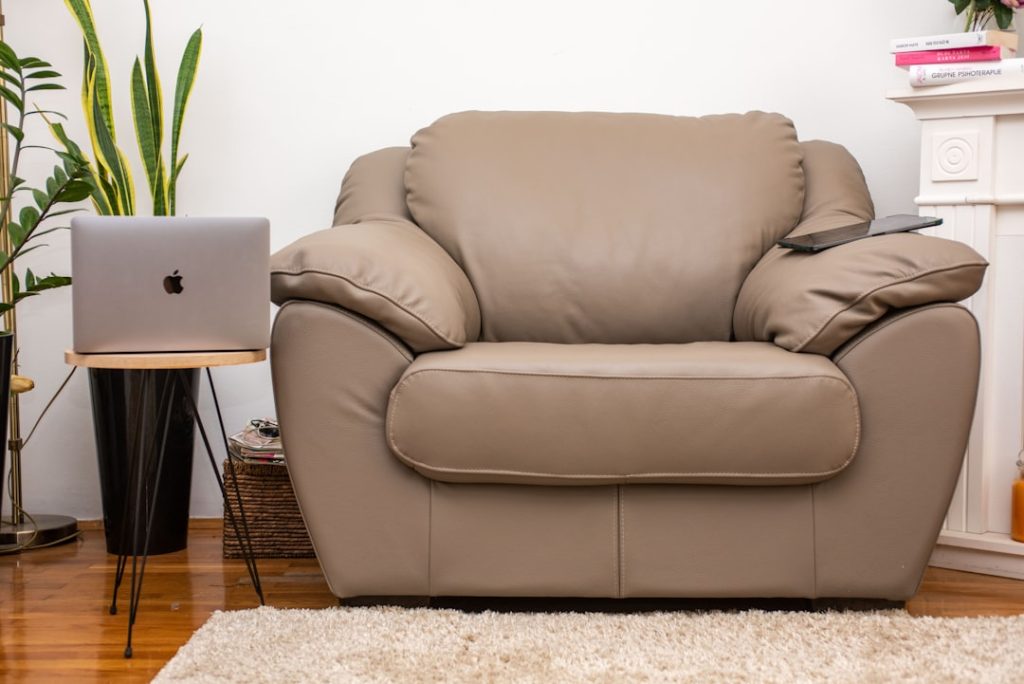
Leather chairs particularly demonstrate this effect, as the material doesn’t breathe well and can become noticeably warm and slightly sticky during extended contact with skin. Fabric chairs may absorb moisture, which can create a damp feeling that wasn’t present initially.

A small observation: The transition from comfort to discomfort in extended sitting often happens so gradually that we don’t notice it until the discomfort becomes significant.
The Role of Mental Adaptation
Your brain’s perception of comfort also changes during extended sitting periods. Initially, settling into a favorite chair provides psychological comfort along with physical support. The familiar environment signals relaxation and contentment.
However, as physical discomfort gradually increases, your brain begins to associate the chair with these negative sensations rather than the initial positive ones. This psychological shift can make the chair feel less comfortable even before significant physical changes have occurred. Your anticipation of discomfort can actually heighten your sensitivity to minor pressure points or temperature changes.
Additionally, prolonged sitting often involves sustained focus on activities like reading, working, or watching television. Mental fatigue from these activities can reduce your tolerance for physical discomfort, making the chair feel less comfortable than it would during a more relaxed, shorter sitting session.
Solutions for Extended Comfort
Understanding why chair comfort declines over time suggests several practical solutions. Regular position changes, even small ones, can prevent the buildup of pressure points and maintain better circulation. Standing and moving briefly every hour allows compressed cushions to recover and gives fatigued muscles a chance to reset.
Cushion supports designed for extended sitting can help maintain proper spinal alignment as your posture naturally changes over time.
https://www.amazon.com/s?k=car+detailing+brush+set&tag=yourtag-20
Temperature management also helps maintain comfort during long sitting sessions. Wearing breathable clothing, using fans for air circulation, or choosing chairs with better ventilation can prevent the accumulation of heat and moisture that contributes to discomfort.
Conclusion
The transformation of a comfortable chair into an uncomfortable one during extended sitting results from multiple interconnected factors. Cushion compression, temperature changes, reduced circulation, muscle fatigue, and psychological adaptation all contribute to this common experience. Recognizing these processes helps explain why even the most comfortable furniture has limits for extended use. Rather than indicating a problem with the chair itself, declining comfort over time reflects the natural interaction between our bodies and static furniture designed for shorter periods of use. Understanding these dynamics can help you make informed decisions about furniture choices and sitting habits that support long-term comfort and health.
As an Amazon Associate I earn from qualifying purchases.
Photo by Uros Petrovic on Unsplash
Photo by Vitaly Gariev on Unsplash
Photo by Costa Live on Unsplash