
Aviation Authority Imposes Heavy Penalties for Intoxicated Passenger Violations
Federal aviation regulators have levied a substantial $165,000 penalty against a major U.S. carrier for repeatedly failing to prevent visibly intoxicated passengers from boarding aircraft. This enforcement action represents a significant escalation in regulatory oversight of airline alcohol policies.
I believe this crackdown is long overdue and reflects a broader industry problem that airlines have been too lax in addressing. The proposed fine stems from violations documented across eleven separate flights spanning an entire year, which suggests systemic failures rather than isolated incidents. This pattern indicates that current industry practices are insufficient to protect passenger safety.
Federal aviation rules explicitly prohibit airlines from allowing passengers who appear intoxicated to board flights. Additionally, regulations mandate that cabin crews must stop serving alcohol to passengers who show signs of impairment during flight, and passengers cannot consume their own alcoholic beverages aboard aircraft.
The enforcement action highlights what I see as a critical gap in airline training and oversight. While carriers do train ground staff and flight attendants to identify potentially intoxicated passengers, the effectiveness of these programs is clearly questionable. The challenge lies in distinguishing between intoxication and medical conditions or disabilities that might present similar symptoms – a delicate balance that requires sophisticated judgment calls.

Industry Response and Accountability
The airline involved has acknowledged the regulatory concerns and claims to have implemented enhanced training programs for flight attendants and customer service representatives. However, I’m skeptical that training alone will solve this problem without stronger enforcement mechanisms and clearer consequences for violations.
This situation particularly affects frequent business travelers and families who deserve safe flight environments. The people who benefit most from stricter enforcement are those who fly regularly and expect professional service standards. Conversely, passengers who view air travel as an opportunity for excessive drinking may find these regulations restrictive, though their safety concerns should take precedence.
Safety Implications and Broader Context
Intoxicated passengers create serious operational hazards that extend far beyond mere inconvenience. These individuals often cannot follow critical safety instructions, may become confrontational with crew members, and in extreme cases can force costly flight diversions that affect hundreds of other passengers.
What concerns me most is that this problem isn’t unique to American aviation. International carriers have also grappled with similar issues, with some European airlines proposing airport-wide alcohol service limitations, particularly for early morning departures. This suggests the problem requires coordinated industry-wide solutions rather than piecemeal airline policies.

The regulatory approach of imposing substantial financial penalties makes sense from a deterrent perspective. Airlines respond to economic incentives, and $165,000 fines will likely motivate carriers to take prevention more seriously than voluntary compliance programs.
Regulatory Framework and Future Implications
Aviation represents one of the few transportation sectors where federal authorities directly regulate alcohol service, creating unique enforcement challenges. Unlike bars and restaurants governed by state and local laws, airlines must navigate federal oversight that applies consistently across all destinations.
I think this enforcement action signals a shift toward more aggressive regulatory oversight of passenger behavior management. The aviation authority’s willingness to impose significant financial penalties suggests they’re taking a harder line on safety violations that were previously addressed through warnings or minor sanctions.
For airline investors and industry stakeholders, this development indicates that compliance costs may increase as carriers implement more robust screening and training programs. However, the long-term benefits of improved safety culture and reduced operational disruptions should outweigh these short-term expenses.
The carrier involved operates approximately 1,500 daily flights across multiple brands, making effective implementation of enhanced alcohol policies a complex operational challenge that will likely serve as a test case for industry-wide best practices.
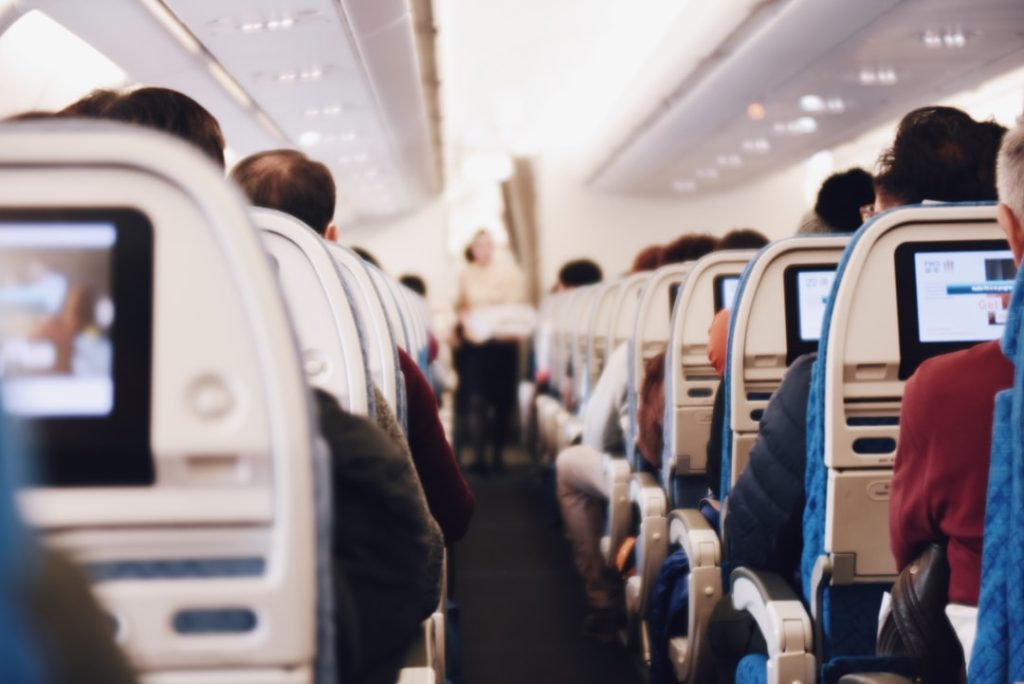
Photo by Suhyeon Choi on Unsplash
Photo by Oskar Kadaksoo on Unsplash
Photo by Jacky Watt on Unsplash