
Arctic Adventure: Why Alaska Cruise Experiences Are Worth Every Penny
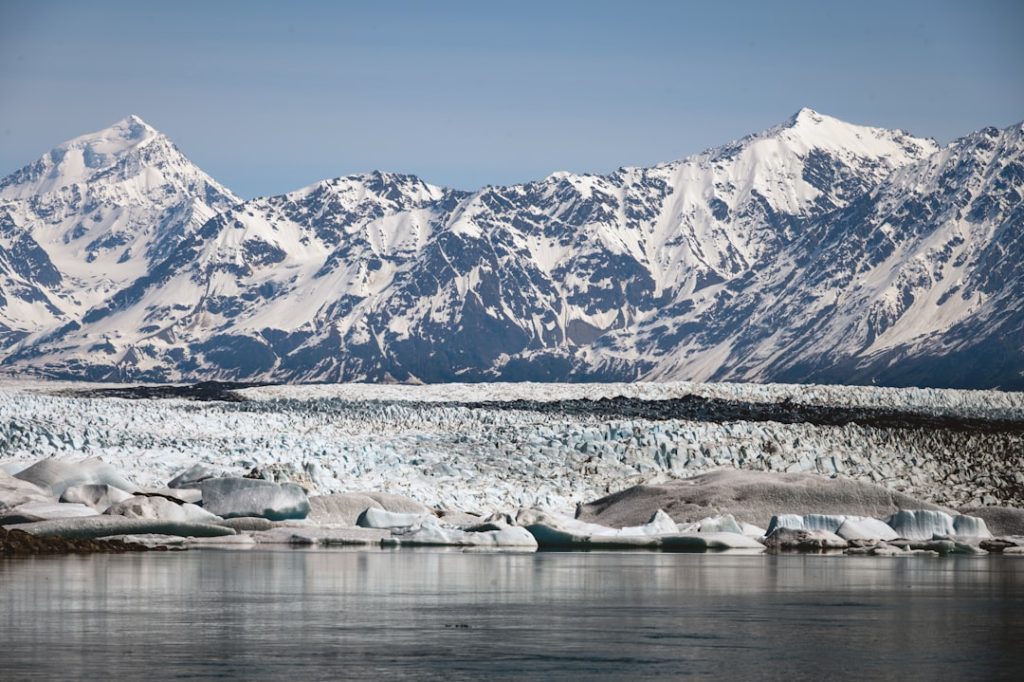
There’s something profoundly transformative about witnessing the raw wilderness of Alaska from the deck of a luxury cruise ship. The contrast between refined onboard amenities and the untamed natural beauty creates an experience that I believe ranks among the most compelling travel opportunities available today.
Alaska cruising represents a unique sweet spot in the travel industry – it’s accessible enough for mainstream travelers yet delivers genuinely extraordinary moments that justify the premium pricing. Unlike typical Caribbean or Mediterranean cruises that focus primarily on ports and beaches, Alaska voyages put nature center stage in a way that feels both humbling and exhilarating.
Who Should Consider This Type of Adventure
This experience particularly appeals to travelers who appreciate comfort without sacrificing authenticity. If you’re someone who wants to witness glaciers calving and spot marine wildlife but prefers sleeping in a proper bed with room service available, Alaska cruising hits that perfect balance.
I think this option works exceptionally well for multi-generational families. Grandparents get the luxury and convenience they desire, while younger family members can engage with educational programs and wildlife viewing opportunities. The structured nature of cruise itineraries also eliminates the stress of planning complex land-based Alaska logistics.

The Wildlife Spectacle
The marine life encounters during these voyages often exceed expectations in ways that surprise even seasoned travelers. Humpback whales breaching near the ship, orcas traveling in pods, and sea otters floating on their backs create moments that no amount of nature documentaries can truly prepare you for.
What I find particularly valuable is how these sightings happen organically throughout the journey. Unlike land-based wildlife tours with specific time constraints, cruise passengers can observe animals at their leisure, often from multiple vantage points as the ship slowly navigates through pristine waters.
Scenic Rewards and Natural Drama
The landscape viewing opportunities from a cruise ship provide perspectives impossible to achieve from land. Glacial formations, mountain ranges, and fjords unfold continuously, creating what amounts to a moving scenic overlook that operates around the clock.
Evening hours deserve special mention – the extended daylight during Alaska’s summer season means sunset viewing can stretch for hours. These prolonged golden hour periods create photographic opportunities and peaceful moments that justify the entire voyage for many passengers.

Who Might Want to Look Elsewhere
This experience isn’t ideal for every traveler. Adventure seekers who prefer hands-on outdoor activities like hiking, kayaking, or camping might find cruise ship constraints limiting. The structured schedule and group-oriented nature of cruise excursions can feel restrictive for independent travelers who thrive on spontaneous exploration.
Budget-conscious travelers should also carefully consider alternatives. While Alaska cruises deliver significant value in terms of convenience and comprehensive experiences, the total cost often exceeds what determined travelers could spend on equivalent land-based adventures.
The Bottom Line Assessment
Alaska cruising succeeds because it removes barriers that prevent many people from experiencing one of North America’s last great wilderness areas. The combination of luxury accommodation, expert navigation through challenging waters, and curated wildlife viewing creates access to experiences that would otherwise require extensive planning and outdoor expertise.
For travelers who value comfort, convenience, and comprehensive experiences over rugged adventure, this represents one of the most rewarding ways to encounter Alaska’s natural wonders. The investment pays dividends in memories and perspectives that land-based alternatives simply cannot match.
Photo by Yuval Zukerman on Unsplash