
Basic Materials Sector Shows Mixed Signals Amid Economic Uncertainty
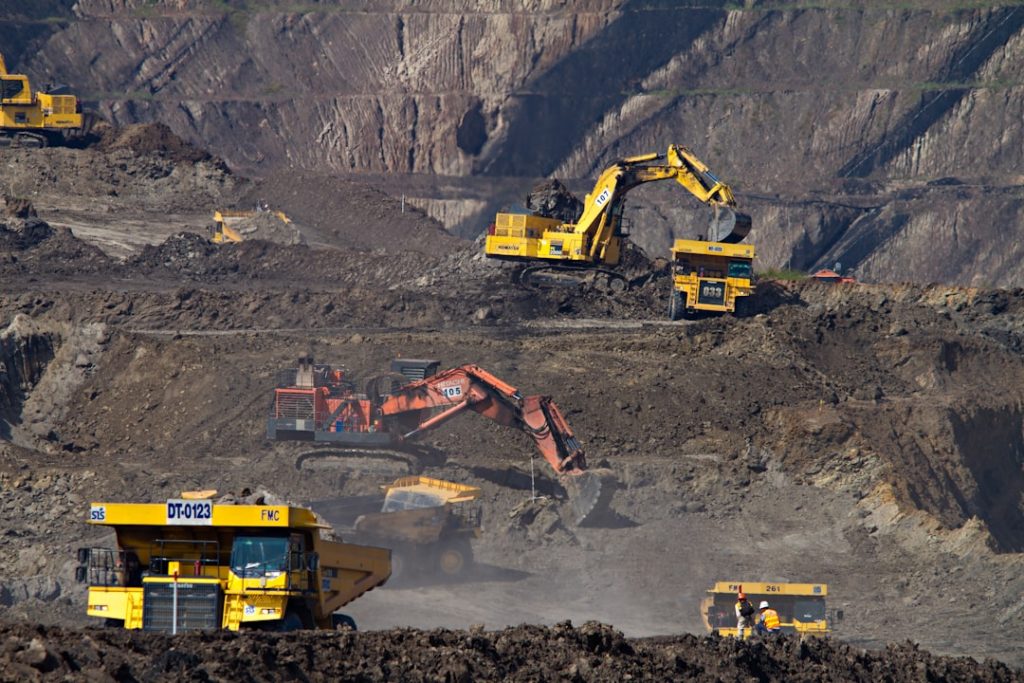
The basic materials sector continues to navigate choppy waters as global economic conditions create a complex landscape for investors and industry participants. In my view, this represents both significant opportunity and considerable risk for those willing to dive deep into the fundamentals.
What strikes me most about the current environment is how dramatically different subsectors within basic materials are performing. While some commodity producers are benefiting from supply constraints and infrastructure spending, others are grappling with weakening demand from key industrial customers. This divergence isn’t just noise – it’s a fundamental shift that savvy investors need to understand.
Who Should Pay Attention to These Developments
I believe this sector analysis is particularly relevant for institutional investors managing diversified portfolios and individual investors with a higher risk tolerance. The basic materials space requires deep sector knowledge and the ability to weather significant volatility, making it unsuitable for conservative investors or those seeking steady income streams.

Manufacturing companies and industrial end-users should also monitor these trends closely, as raw material costs directly impact their profit margins. Supply chain managers, in particular, need to stay ahead of price movements and availability issues that could disrupt operations.
Market Dynamics Worth Watching
The interplay between global trade policies and commodity pricing has become increasingly complex. What concerns me is how quickly sentiment can shift based on geopolitical events or policy announcements. This creates an environment where technical analysis often takes precedence over fundamental valuation metrics.
I find the current disconnect between spot prices and futures particularly intriguing. This suggests market participants are positioning for different scenarios regarding economic growth and industrial demand. Smart money appears to be hedging against both inflationary pressures and potential economic slowdown – a challenging balancing act.

Key Factors Driving Performance
- Infrastructure spending commitments from major economies
- Energy transition demands creating new material requirements
- Supply chain realignment affecting traditional sourcing patterns
- Currency fluctuations impacting global commodity trade
From my perspective, the energy transition represents the most significant long-term catalyst for certain segments of the basic materials sector. Companies positioned to supply critical minerals for renewable energy infrastructure and electric vehicle production stand to benefit substantially. However, this transition also threatens traditional demand patterns for fossil fuel-related materials.
Investment Implications and Outlook
I believe investors need to be highly selective in this environment. Blanket exposure to basic materials through broad sector ETFs may not capture the nuanced opportunities available. Instead, focused investments in companies with strong balance sheets, efficient operations, and exposure to secular growth trends make more sense.
The volatility inherent in commodity markets means this sector isn’t appropriate for investors seeking predictable returns or those approaching retirement. However, for growth-oriented portfolios with longer time horizons, selective exposure could provide valuable diversification benefits.
The key is understanding that basic materials investing requires both patience and conviction – market sentiment can remain irrational longer than many investors can remain solvent.
Looking ahead, I expect continued volatility as markets digest changing economic conditions and policy responses. The companies that will thrive are those with operational flexibility, strong cost discipline, and strategic positioning in growing end markets. Investors who can identify these characteristics while maintaining appropriate risk management will likely find opportunities in this challenging but potentially rewarding sector.
Photo by Dominik Vanyi on Unsplash
Photo by Ant Rozetsky on Unsplash
Photo by Dion Beetson on Unsplash